
Monthly Archives: April 2021

April Journal, Feast of St. Mark, Third Sunday after Easter

AMERICAN FLAGIt seems at times, that time stands still, in this weary world of Chinese Flu, extreme lockdowns, and punishing masks. For children, the costs are horrific and ongoing here in California. For young adults, suicides are on the rise. For the rest of us, fear hovers and shades our every move, every social gathering, every event. We wonder if freedom is bound and captive, if speech is silenced, if elections are rigged, if justice is bribed or threatened, if truth is honored, if reality is real. We wonder if America is imploding, if churches will go underground.

And so I approach Sundays with gladness, being reminded that the illusions of our current state are just that: illusions. We the people need not fear. We the people will gather in real time and real space to once again worship God, boldly and mask-free, our faces open and loving and praising Him. Freedom is not yet bound by ties of tyranny, but as free flying as we desire. Speech is spoken to those who listen, who have ears and who hear. Elections are not always rigged, and we still have the power to ensure they are not. Justice is not always bribed, and we can make sure that justice is blind not bribed, blind to favor, blind to threats, blind to extortion and mob rule.

We the people must awake from our deep slumber. We must listen and learn and love. We must protect our peace, our communities, our children, from the violent hordes who believe the lies.
APCK Logo newToday, Sunday, was especially blessed, and I was made especially glad. For from the dark jungle of the week’s rioting and untruths, I entered a space of peace and truth.

And even better, a space of hope for the future.

For this last week was our Anglican Synod, a yearly gathering that met in real space and real time. While I wasn’t able to attend, I learned much was accomplished and much celebrated. Two deacons were accepted for the next phase of their calling, the priesthood. A priest was consecrated bishop. Our faithful and steady Anglican Province of Christ the King is stronger than it was last month – stronger in faith, discipline, and vision. They are unmasked.

And today we heard the Gospel appointed for the Feast of St. Mark. Jesus the Christ says, “I am the vine, ye are the branches: he that abideth in me, and I in him, the same bringeth forth much fruit: for without me ye can do nothing. If a man abide not in me, he is cast forth as a branch, and is withered; and men gather them, and cast them into the fire, and they are burned.” (John 15:5-6) Mark traveled with Peter and wrote his Gospel account based on Peter’s witness. He was a branch sprouting from the vine, a branch from which we descend. We tap into the same source of life as the first apostles.

imagesKnowing that we are a part of the Body of Christ, branches of the vine going back two thousand years and living today, gives us hope that we need not carry the world upon our shoulders. And yet, if we do not abide in Christ, if we are not a branch of His Vine, manifested in the Church, we will not bear fruit and we will be lost.

One of the preachers I heard this morning in our virtual liturgies said that in this world of threatening events, we need to remember that we are Christians first and citizens second. While we render to Caesar what is Caesar’s, we must uphold our Christian faith first and judge accordingly. Should the two come in conflict, our faith must direct our actions. For we are branches of the True Vine and can only bear fruit if we remain so. 

Recently I read a good summary of Critical Race Theory and the horrors this movement is inflicting upon our children through education at all levels. This Neo-Marxism, developed in the 1990’s, has produced its own branches over the last decades: “social justice,” intersectionality, identity politics, cancel culture, speech silencing, erasure of history, and white guilt, to name a few. These narratives inflame and divide and are based on lies. They cut off many well-meaning Christians from the True Vine. They deaden souls. Division, chaos, and anarchy result, all satanic deceptions.

It is encouraging that parents are now protesting this K-12 propaganda. We are called to tell the truth and to support those who are brave enough to tell it as well.

And so we pray and we praise and we read our Scripture. We open our eyes and our ears and bear fruit for Our Lord.  We call upon Him to lead us in all truth, in all love, with His vision in our hearts and souls, always remembering we are branches of His vine. He is our life. We need only look to Him first in all things.
April Journal, Second Sunday after Easter

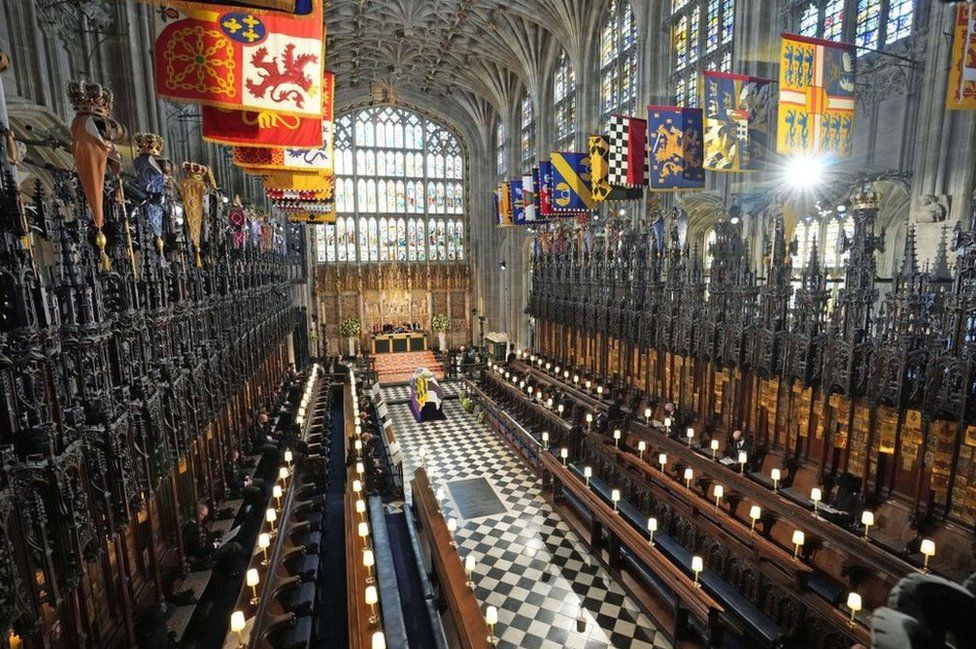
Windsor choirAs American democracy stumbles into the second year of fear and pandemic, we look to stable and true leaders. Thus, Prince Philip’s death has sounded a mournful note in the hearts of many.

Seeing the Queen sitting alone in the choir of St. George’s Chapel, Windsor, masked and dressed in black, brought home the tragedy. 

Philip lived a long life of duty as the Royal Consort to Her Majesty Queen Elizabeth II. Duty is out of fashion today. Someone once said that duty is the discipline of love. Love is not free, freewheeling, or freefalling. Love must be molded by sacrifice and care-full attention to the beloved. Love demands discipline; love demands duty.

I have read that Philip was outspoken. So in his duty and obedience to Elizabeth he did not give up his opinions, his integrity. Within the framework of his position and duties to the people of England and the Commonwealth (and there were many such claims upon him) he grew strong in his own person.

He was a man of faith, we are told. He could do broad Church or high Church Anglican, but the one he preferred was short Church, according to the Bishop Chartres. (Most of us can identify with such a preference.) And so his funeral was a simple one by royal standards, designed by him and subject to those fearful Coronavirus restrictions. He was true to himself in death and life. He was trustworthy.

I have found that being able to trust a person, to rely that they are truthful and supportive and dedicated to the right action, means a great deal. Truth, like duty, has been downgraded today, and undervalued in both public and private spheres. This is a national and international tragedy. For without trust and truth, we are blind.

APCK Logo newAnd so as I tuned in to our virtual Eucharistic liturgies this morning in our Anglican Province of Christ the King, I thought of Philip and England and the Anglican Church. I thought of the Queen sitting alone in that massive choir in the chancel of St. George’s, waiting, sitting in mahogany stalls lined with white lanterns in the gothic abbey style. I thought of her strength in the face of so many heartbreaks and challenges. And I gave thanks for the pageantry and ceremony her reign ensured and continues to ensure, an ordered beauty of holiness that has been passed down through the centuries, ever since Thomas Cranmer produced our Anglican Book of Common Prayer.

For it is this tradition of ancient liturgy that we as Anglicans in America embrace, an ordered beauty of holiness expressing the inexpressible: the being of God, the love of God, His nature, His sacrifice, His offering Himself to us. 

Christ the Good ShepherdAnd today, Good Shepherd Sunday, we heard the powerful Gospel of Saint John, quoting Christ Jesus. Our Lord tells us that He is the Good Shepherd who gives His life for the sheep. He knows us, and we know His voice. He protects us from wolves who scatter us. One day, Our Lord promises, there shall be one flock and one Shepherd, for all those who know His voice will be brought into his fold.
It is good to be strengthened by these words in this time of scattering, sheltering, masking, and fear of one another, distancing ourselves. Hearing these words spoken by different readers before different altars molded these truths into my heart and soul.

And while the image of Christ the Good Shepherd is strengthening and comforting, one of our preachers extended the image by saying we must all take on this nature of Christ. We must become shepherds too, bringing in lost sheep to the fold of the Church. We sometimes treat our fellow faithful as a social club or even unwittingly a burial society, closed and close and comfortable. We must be like the Good Shepherd and look out for the lost and suffering, healing them with the words and liturgies of God made Man, in His Church.

How do we do this? We love our fellow man, in exercise of duty. We tell the truth, we sing the truth, and we hold the truth high for all to see. We are not ashamed of who we are. We do not remain silent in the midst of tyranny and lies. We mentor the next generations. We turn no one away.

We practice the ten commandments, the virtues of faith, hope, and charity, and learn how to do this in weekly, if not daily, reading of Scripture, and with our own Baptisms and Confirmations and Eucharists in the Body of Christ, the Church.

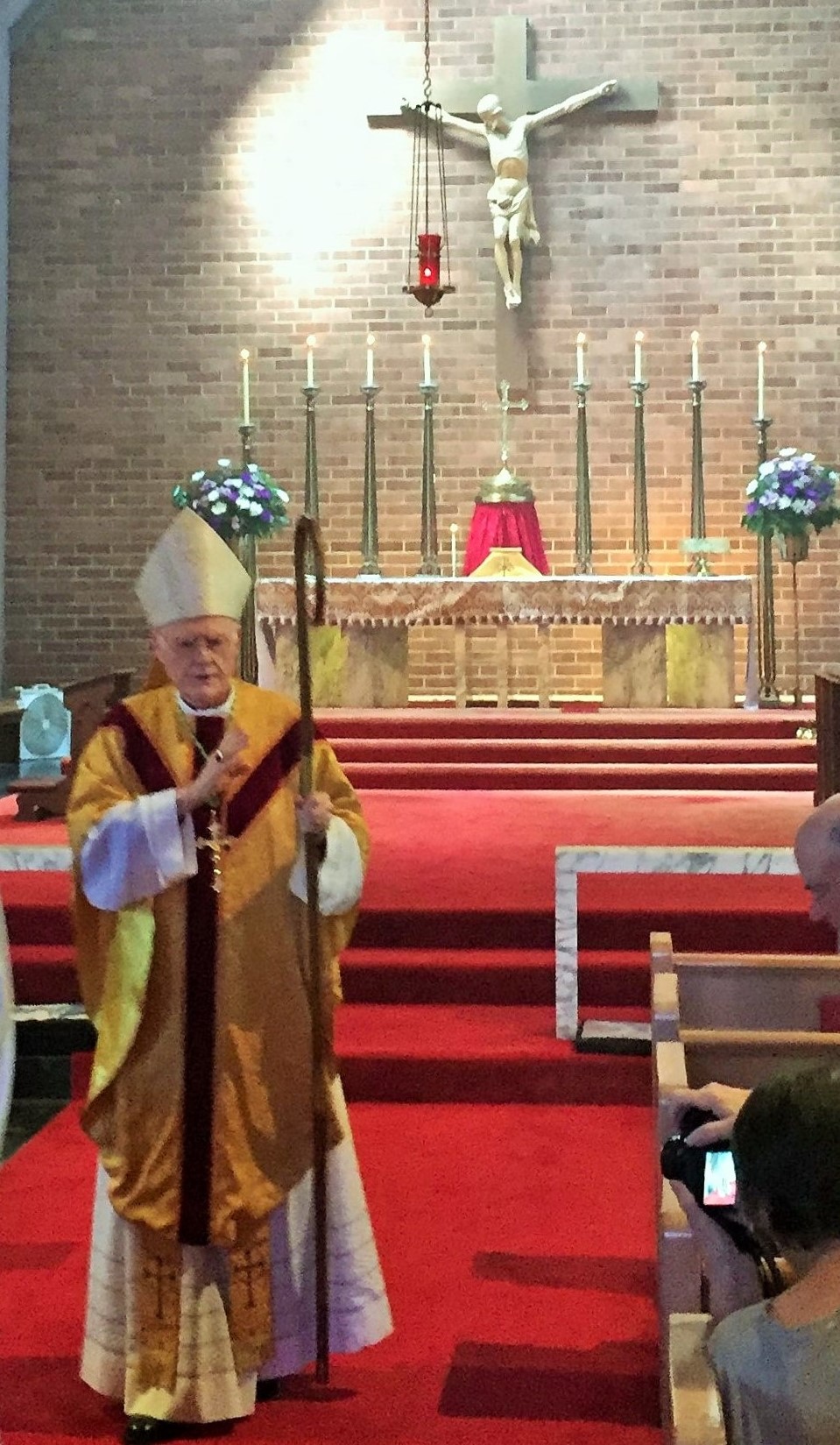
IMG_1326 (5)Our Diocese of the Western States, Anglican Province of Christ the King, will be consecrating a new bishop this week. Bishops carry a crook, or staff, for they are shepherds, looking to bring in the lost, to teach the saved, to be pastors and priests to the clergy in their charge. They watch for wolves who devour and divide. They tell the truth about man and God, about who we are and who we are meant to be. They comfort us with historic, witnessed, creeds and doctrine. They give us opportunities to be shepherds. They teach us how to love as Christ Jesus loves.
And so, Prince Philip was laid to rest. Well done, good and faithful servant. The world will miss you and all that you quietly did and humbly were. Rest in peace until the trumpet sounds and we all shall rise again.

April Journal, First Sunday after Easter


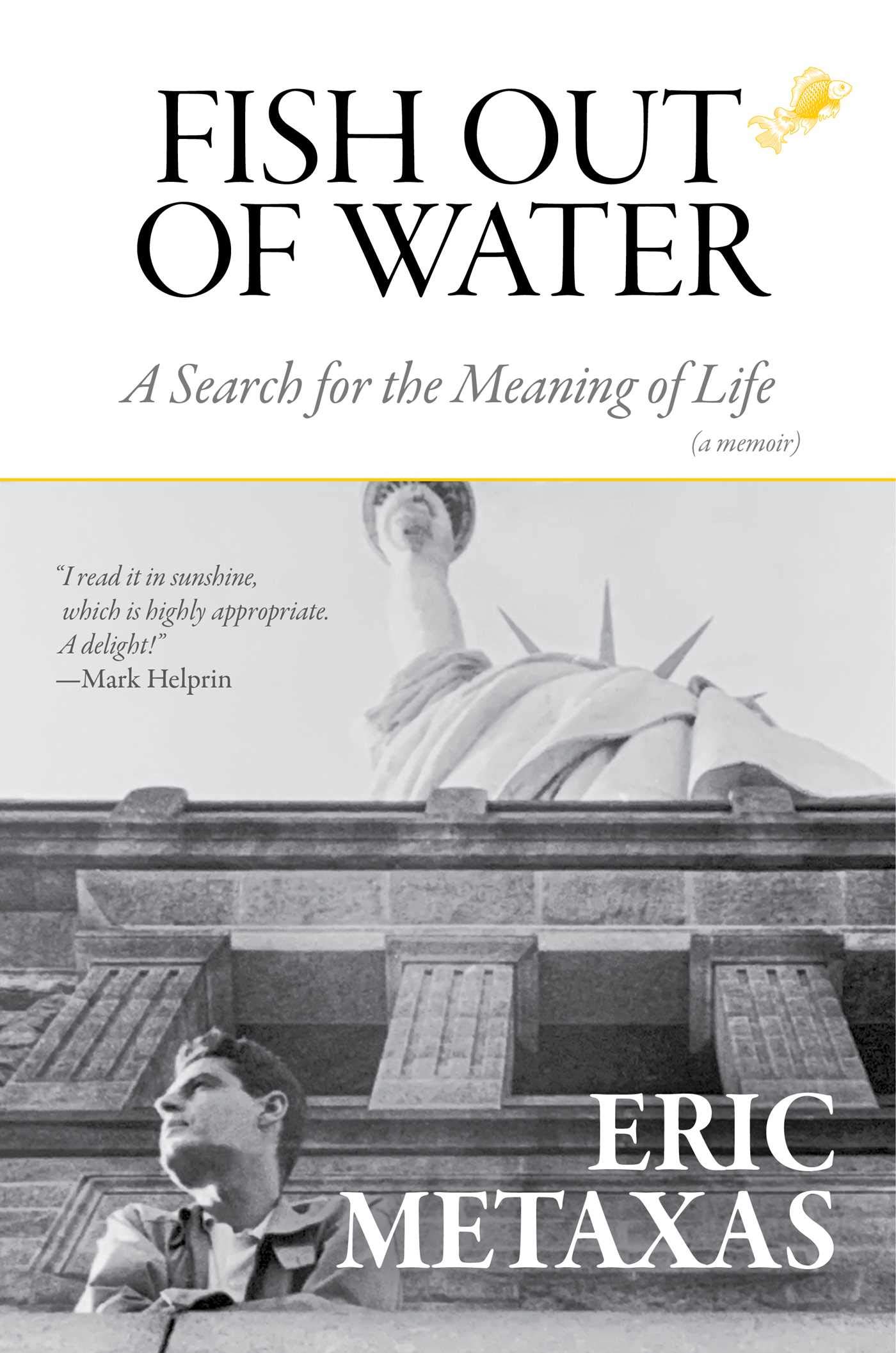
Fish Out of Water CoverI recently read a remarkable memoir, Fish Out of Water, by Eric Metaxas. It is told in an informal conversational style, full of anecdotes of his growing up in the Greek Orthodox community in Danbury, Connecticut. One of the threads or themes particularly resonated with me.

His church life as a boy did not claim his love, did not call him to believe. When he does experience God, it is an answer to a yearning not fulfilled. Through a series of miraculous events, he finds his way as an adult to the evangelical stream of Christianity in America, for it is being born again that recreates him and claims him as one of Christ’s own. His joy in these pages is nearly tangible.

It often happens that established, successful churches dull our belief with their familiarity and routine, and we have to leave our childhood church and return to a different stream of Christianity. Probably like many things we do, ritual can become hollow and automated. Prayer can become words memorized and unfelt or even unheard. And yet ritual and prayer, when cultivated in love and adoration in the worship of God, add richness and beauty to a sacred conversation.

I was raised in the Presbyterian church. At some point in the 1960’s as a young adult I lost my faith, but returned as an Anglican, having been won back by the apologetic reasoning in C.S. Lewis’ Mere Christianity. I was luckier or more blessed than many in that my time in the agnostic/atheistic desert (essentially my college years) was short, and God found me and claimed me again. I do recall those years, however, as painful ones, full of sadness and confusion, for life had no meaning without God.

God was everything, and I had lost him. But he had not lost me.

And with my return to the Church and to life in Christ, I returned to moral law and peaceful order. For only with an objective and true authority can we know what is right and what is wrong. This is the righteousness of God’s rule in our world and the universe, a righteousness we cannot own without the Resurrection. This righteousness I wrote about in my recent post at American Christian Fiction Writers, “Resurrecting Righteousness,” how Christian storytellers are called to remind their readers and the world that there is a better way, a righteous way, a way ordained by God, for us to live with one another.

ResurrectionChrist_Behind_Locked_DoorsWith these thoughts running through my memory of the week, this morning’s Gospel sounded a sweet note. For as the resurrected Christ appears to the fearful disciples, he says, “Peace be with you.” This phrase is repeated throughout our eucharistic liturgy. In some Roman Catholic parishes the peace is passed one to another in the pew, with a handshake or a nod (maybe not presently with the pandemic). These words remind us of the great reward of being claimed by Christ and of our claiming Christ: peace.

And how we need more peace today. Perhaps our time is no different than any, but peace seems particularly illusory. We fear to speak or we will be demonized or cancelled by those who disagree. We fear rampant crime as police are defunded and defamed. We lock ourselves in our homes, fearful of virus, but also riots and revolutions.

Peace. I recall in the 1960’s folksongs with their call for peace, not war. They thought peace would come if we did not defend America in war; peace would come if drugs were plentiful and morality was ignored in the name of free love.

They were wrong. For it was a devil’s bargain, an illusion. Peace comes from righteousness, from heartfelt trying to act right, from admitting wrongs, from experiencing God’s will in our lives. Peace comes from the loving authority of our Creator, as found in Scriptures and the Church. Peace comes from Christ breathing upon us in our baptisms and our eucharists and our evening prayers.

Holy_TrinityThe Epistle lesson today was almost harsh. St. John writes, “He that hath the Son hath life; and he that hath not the Son of God hath not life.”

I have found that truth, if it is truly true, makes sense. One strand weaves into another to make a perfectly woven tapestry. This morning it happened again. Mr. Metaxas’ account of God speaking to him in dreams and through people and events, in miracles, bringing him home again, upheld and verified the righteousness of God, his goodness, his personal intentions for each of us in his moral universe. And this morning we received God’s peace, the result of rebirth and righteousness.

And so we pray that we all are reborn, again and again, redeemed again and again, returned to Our Lord to be remade, again and again. We pray that we know the peace that passeth all understanding.

And we pray for our country, that America once again be a land of peace, a land of rebirth, and a land of righteousness, that America will return to God.

Resurrecting Righteousness: New Post Published by American Christian Fiction Writers

RESOURCE_Template

I am pleased to announce that American Christian Fiction Writers has published my post today, “Resurrecting Righteousness,” how Christian writers redeem American culture in the choices they make in the stories they tell, as seen in my recent novel Angel Mountain. Thank you ACFW!

logo-acfw-300x76   

April Journal, Easter Day

Resurrection Of Jesus Empty Tomb drawing image in Vector cliparts category at pixy.org“Christ is risen!” the faithful cry.

“He is risen indeed!” the faithful reply.

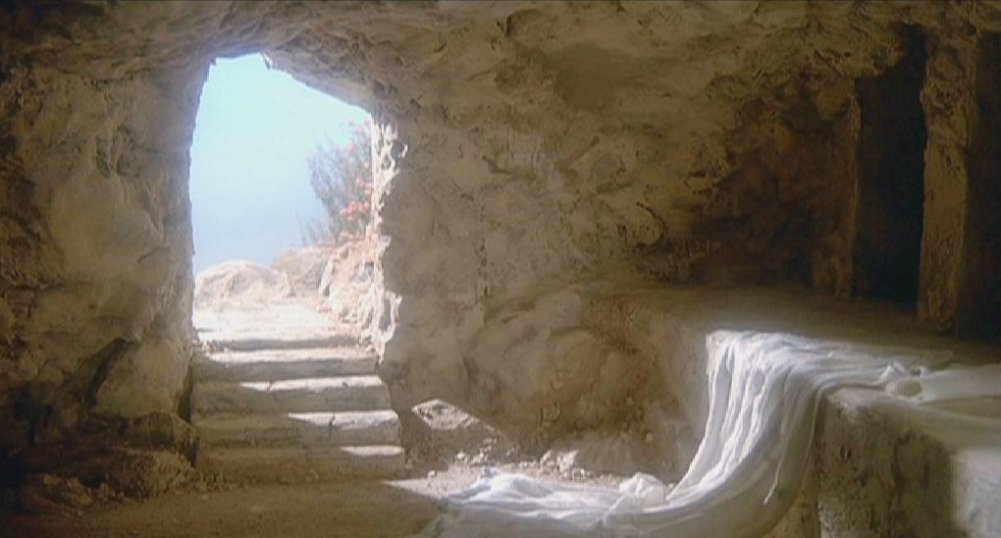
Every Easter Christians throughout the world greet one another with this joyful announcement. It is a reminder of the empty tomb.

In many ways we have been entombed over the last year. We lived in the darkness of isolation during the threat of the Coronavirus. We hid from one another, fearful of contagion. Today, Easter 2021, many are vaccinated, and many look forward to their own resurrection from the cavernous and deadly lockdowns.

We have been deadened by this time, a time that has stood still. Some think of 2020 as the year that was lost. And yet no time is lost. No minute forgotten. No life unimportant to God.

And that includes the unborn, who also live in the shelter of the womb, a dark place, a tomb of life. After nine months, the child breaks into the light.

RESOURCE_TemplateHermits are also entombed, in their caves, retreating from the light, from the business of the living, to commune quietly with God, the saints, the angels. My recently released novel, Angel Mountain, is about such a hermit, an elderly Holocaust refugee who converts to Christianity and lives a life of prayer in a sandstone cave in the hills east of San Francisco. The story opens as he leaves the darkness of the cavern and steps into the sunlight, a moment when he speaks the words of repentance and baptism, when he speaks the words of God’s love for mankind, for each one of us.

In an odd way, I am grateful for this last year of darkness, isolation, and reflection, for I appreciate resurrection so much more. Yet surely the lockdowns were not worth their cost to human livelihoods and children’s growth, and so many other losses. The masks became hideous, dehumanizing, cancelling expression, cancelling love, cancelling touch, cancelling smiles, cancelling personal connection. The social distancing mandates separated us, divided us. And so the turmoil of the year was to be expected – the imprisoned energy escaping and vandalizing and raping our towns, stealing our peace, used and abused by the unscrupulous and the Machiavellian.

The virus fueled fear, and the fear spread faster than the virus. The fear fueled lies and manipulation and government control.

Each person became master of his own isolation, protecting himself from others who had become the enemy.

To Christians, the dark, demonic aspect of this year has been all too clear. And it continues today.

Yet today is Easter, a day when we celebrate resurrection and life, a day to rejoice in the stone rolled away from the entrance to the tomb so many years ago.

And so, when my husband and I tuned in to our virtual church liturgy, we were flooded with memory of a better time when we were present, kneeling and singing, in the nave of our parish church, a kind of ark-cavern. And as the memories returned, so too did the recognition of the words and hymns and actions of the morning. A union of past and present birthed a dove rising from the ashes of our lockdown, resurrected by joy. We sang,

“Jesus Christ is risen to-day, Alleluia!/ Our triumphant holy day, Alleluia!/ Who did once upon the cross, Alleluia!/ Suffer to redeem our loss. Alleluia!” (#85)

We listened to the familiar Gospel lesson, in which Mary Magdalene discovers the empty tomb:

 The Gospel. St. John xx. 1.

The first day of the week cometh Mary Magdalene early, when it was yet dark, unto the sepulchre, and seeth the stone taken away from the sepulchre. Then she runneth, and cometh to Simon Peter, and to the other disciple, whom Jesus loved, and saith unto them, They have taken away the Lord out of the sepulchre, and we know not where they have laid him. Peter therefore went forth, and that other disciple, and came to the sepulchre. So they ran both together: and the other disciple did outrun Peter, and came first to the sepulchre. And he stooping down, and looking in, saw the linen clothes lying; yet went he not in. Then cometh Simon Peter following him, and went into the sepulchre, and seeth the linen clothes lie, and the napkin, that was about his head, not lying with the linen clothes, but wrapped together in a place by itself. Then went in also that other disciple, which came first to the sepulchre, and he saw, and believed. For as yet they knew not the scripture, that he must rise again from the dead. Then the disciples went away again unto their own home. (Book of Common Prayer, 1928)


We walk with Mary Magdalene in the dark before dawn to the tomb. We see the stone taken away. We run to tell the others. We too fear He has been stolen and we cannot find Him. We run with Peter and John who outruns Peter (a little pride?). With John, we see the burial cloths.

GIVING THANKSWe do not know what to think… and they do not know the Scriptures.

But we know the Scriptures. We know the miraculous magnificence of this morning, Easter. We know the love of God made incarnate, His blood shed for us, His hand reaching for ours, pulling us out of the dark and into the light of eternity. We know. We believe. The testimony of two thousand years is abundant and convinces us that there is more to life than we can see; there is divine meaning to every minute.

And so we sang into our screens, the chapel organ booming,

“Welcome happy morning!” age to age shall say:/ Hell today is vanquished, heaven is won today!/ Lo! the dead is living, God for evermore!/ Him, their true Creator, all his works adore!/ “Welcome happy morning!” age to age shall say. (#87)

As we sang, our age joining with all the others, past and future, the priest set a wooden cross in the central aisle and, with the help of one or two others, gently placed flowers in the holes on the cross, resurrecting the cross of death to one of life, flowering the cross and flowering us as well.

Christ is risen. He is risen indeed. The simple truth of the risen Christ is enough. It is more than enough. For we have laid in the tomb all this year and happily emerge, like Lazarus, like Christ, from the dark. We take Our Lord’s hand, and He pulls us into the light of Eternity, today and always.