Category Archives: Uncategorized

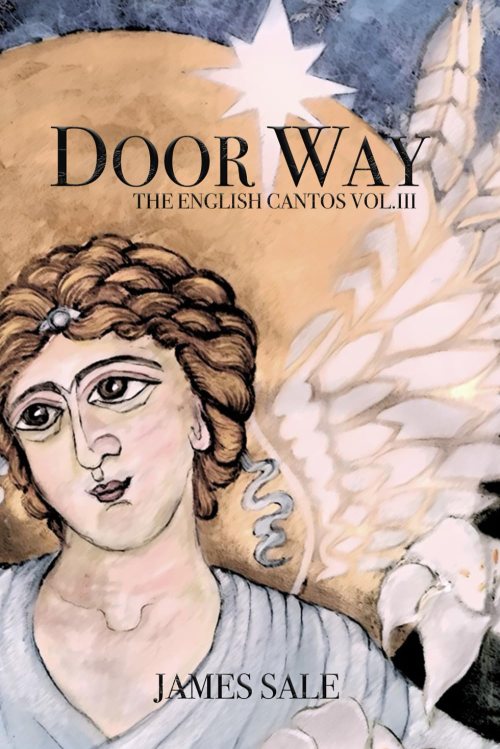
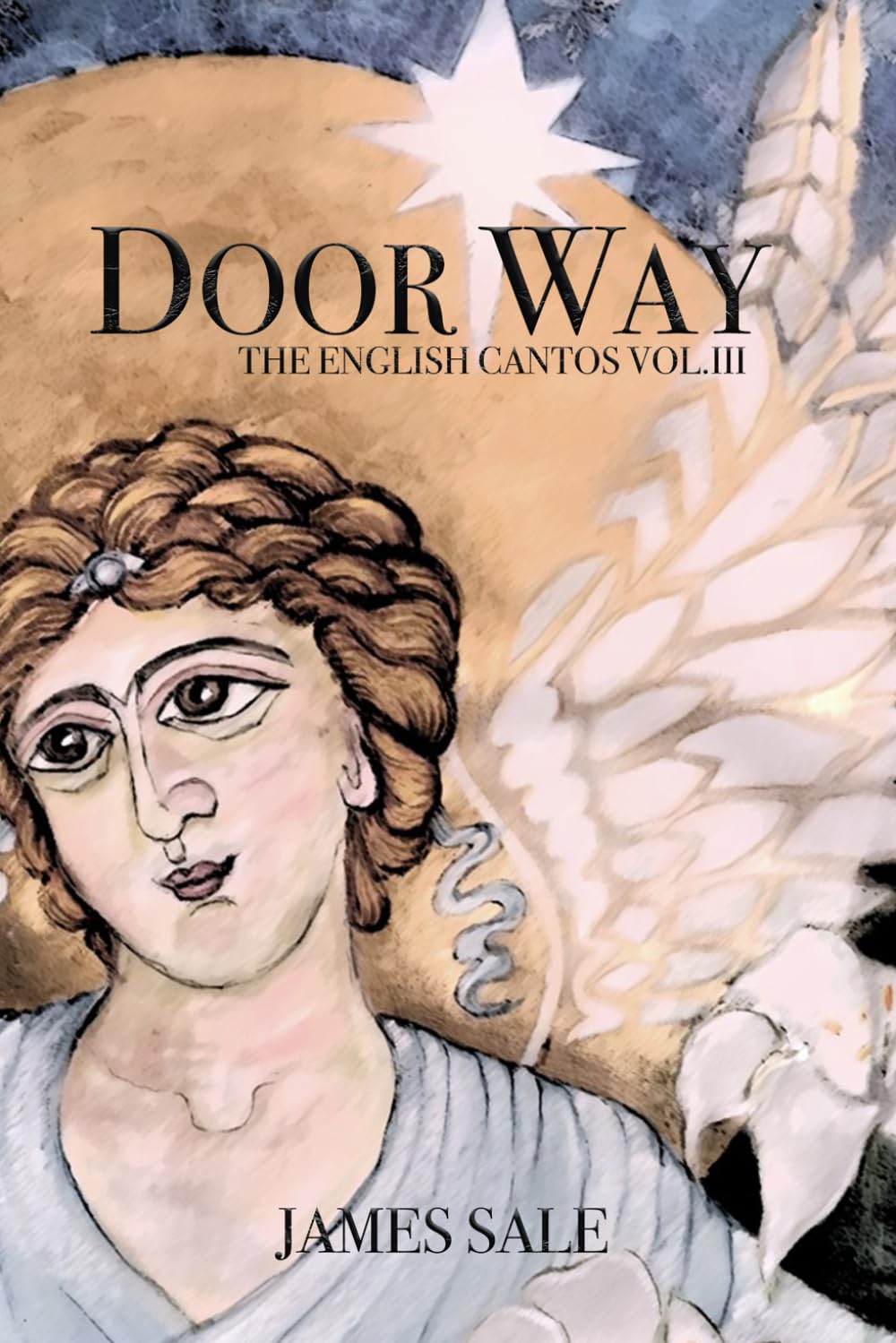
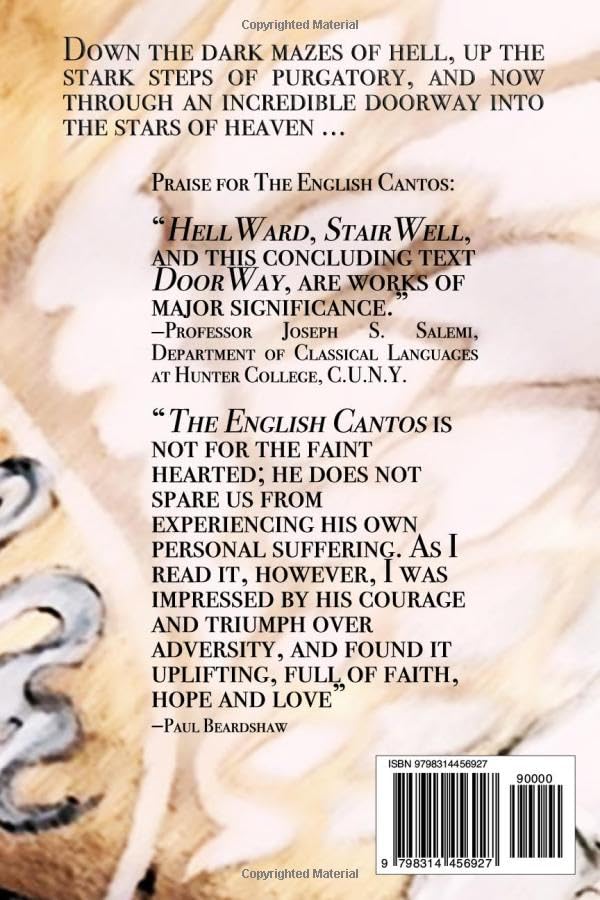
The Epic Journey Enters the Starry Universe of Love: A Review of James Sale’s DOORWAY, Volume 3 of The English Cantos

In this third and concluding volume of The English Cantos, DoorWay (2025), we enter the universe, the starry heavens of Paradise.

From garden to lake baptism to Golgotha and the cross, our Poet sees what must be cleansed, shed, shredded, for his “treachery to goodness, crimes against the truth, and letting beauty stale.” He eventually emerges “delirious almost to vertigo…” We see he is on his way, but which way? He must choose, as his lake becomes an “ocean of love,” and he meets St. Dismas, the penitent thief on the cross alongside Christ, who helps him on his journey.

And so we have come through the portal, but still have a ways to go, on “skyward routes on skating slopes of light,” pulled higher by love. We see Heaven and those who are able to go there, the theology of  “God’s greatest heist,” and a “surpassing choir where sound is joy.” As I read and reread and reread again, the images seed my own soul with echoes of Heaven. Longing becomes intense, as it is meant to be.

We meet the Poet’s grandfather who converted late in life and went straight to Paradise, for he believed. Other family members appear and teach us more about Heaven. “Michael, first born of seraphim” reminds us that our Poet is not dead but in flesh and blood, nearly blinded by the light. The angel’s voice is “tornado-like… made images arise, becoming words…” We hear of Michael’s battle with Lucifer, his twin, when “that great Fall caused Time,” and see when the redeemed sons and daughters of man will return, immortal when new time comes.

Love and truth are seeded to flower in this soaring universe of starry love. Yet our poet must still be cleansed, this time “with burning coal to touch my lips… my lips ablaze – cremating all my lies… The burning coal – mouth stuffed with its surprise and heat…” and finally, “The coal, which in my mouth had been a boulder, now slipped down my throat so pebble-small, (though ever after in my soul to smoulder).”

Part fantasy, part suspense, part pain, and part joy, DoorWay’s power is the love of God and our readiness to receive His love: “As in me fear and awe and love criss-crossed in apprehensive trinities…” so that when we see the End of Days, the New Jerusalem and the wrath of God upon Earth, we rightly understand majesty and fear: “I, both for myself and those below, shook, conscious how much I had failed to fear His presence, Name.”

Traveling through this universe of stars, we are given unforgettable images: “For somehow thinking entwined with light, whose colours, dyed so rich, yet too sounds mixed, as if the red rendered note C to sight, and other colours, notes so formed, made text!”

Our Poet wants to stay, but knows he must return to Earth to tell and warn, to “sing of plot – His plot – where all of it began: The love of God for woman and for man.”

And lastly, although there is so much more to say and see and feel and understand, I found that reading the text aloud, paying close attention to punctuation, most helpful, falling into a natural rhythm in the three-line interlocking rhyme scheme, the terza rima, the classic form of Dante’s Divine Comedy.

Thank you, James Sale, for Truth told so beautifully, with such a piercing plot – His plot – one we can journey into again and again.

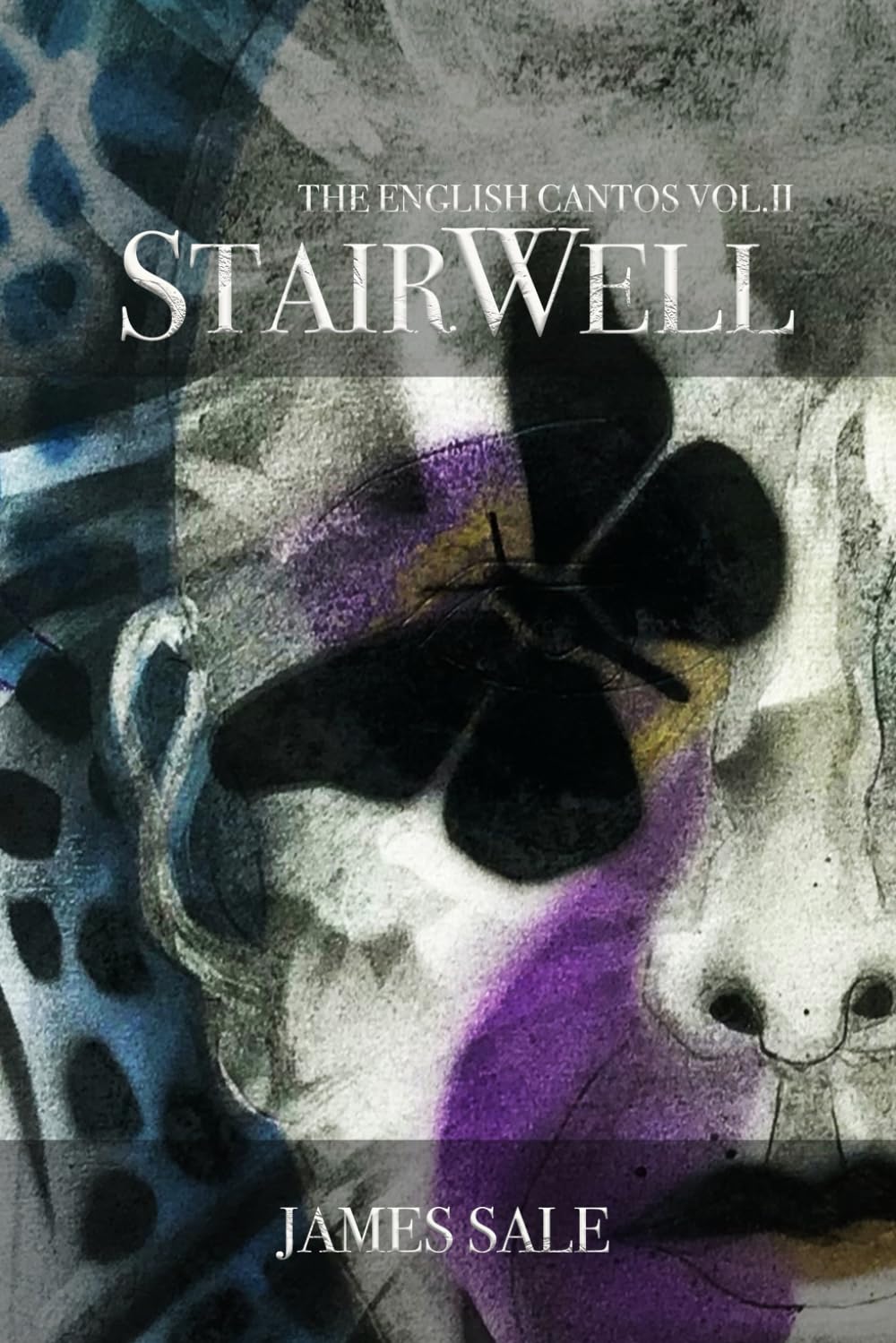
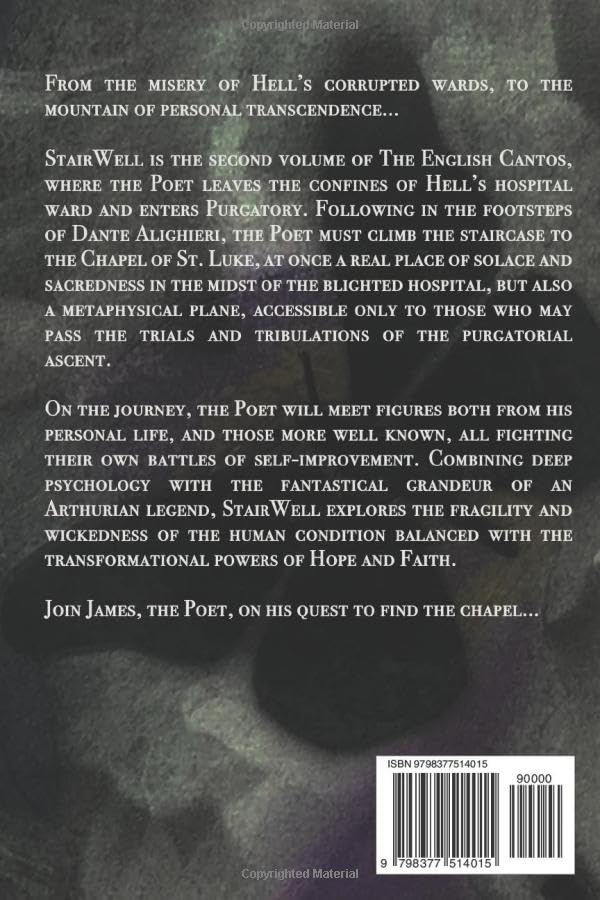
The Epic Journey Climbs the Stairs of Purgatory: A Review of James Sale’s STAIRWELL, Volume II of The English Cantos

In this second volume of The English Cantos, James Sale leads us up the stairs of Purgatory, where intercessory prayer effects changes, allowing Christ to make us well, to drink from His well of life, to save us from ourselves. Virgil joins Dante and James our Poet as larger questions of history and philosophy and civilization form physical barriers to be scaled, tempting our Poet to remain and not venture higher.

And so we climb the stairs to wellness, keeping our eye on the higher goal and not looking down or back. And as we climb, our Poet visits great tragedy in his past, yet sees his mother in the work of redemption. But temptation is real, just as redemption is possible, and he nearly falls from grace, restrained from the brink by his companions and the love of God.

The stairs reveal levels of Purgatory, with friends and coworkers, modern heresies rife in education and business. Each step is a challenge in which the pilgrims must overcome great obstacles, mazes, confusions, and dangers.

Part satire, part suspense, part soul-searching, these cantos pull us higher, facing Covid and religious hypocrites wo are offered redemption. Herakles the trickster holds up the sky, tempting James to stay and help.

And others never make it to the top of the stairs – to Heaven’s doorway – but are tempted and soothed by their proud choices, including famous poets, both classical and modern.

In the end, a harrowing chasm opens that must be crossed by answering rightly, each verse leading to the Way.

In StairWell, like HellWard, Sale interweaves personal judgement/redemption with social and historical judgement/redemption, at times sharply satirizing, at times with witty wisdom. We see and experience the human condition, full of contradictions, full of pride and envy, and yet full of love. We climb the stairs, learning who we are, creatures created by a fiery God of grace, giving us hope for Heaven’s doorway.

This second volume does not disappoint but grows in truth and beauty that will seed the reader’s heart, and like HellWard, will be read and reread many times.

Thank you, James Sale, and bravo!

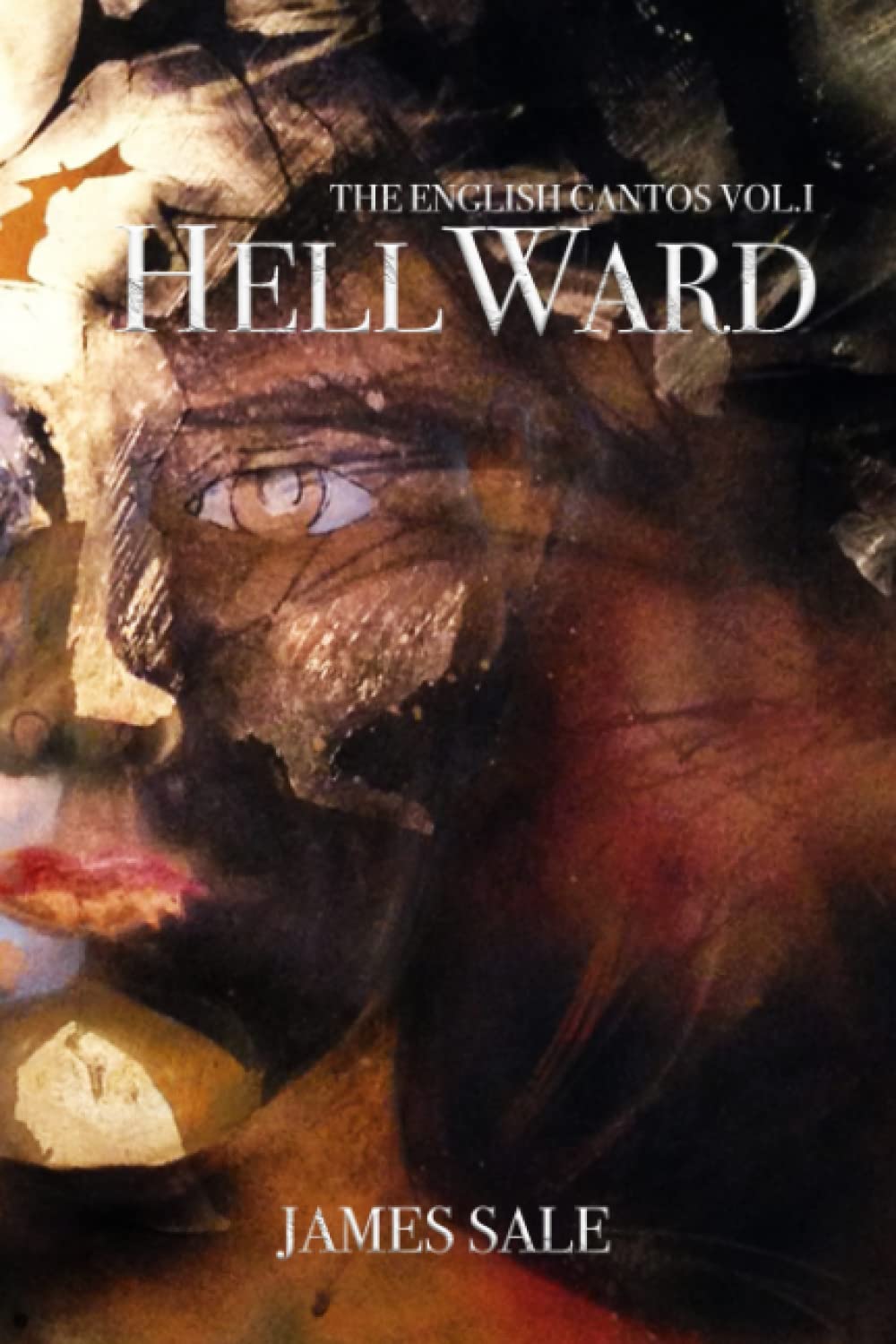
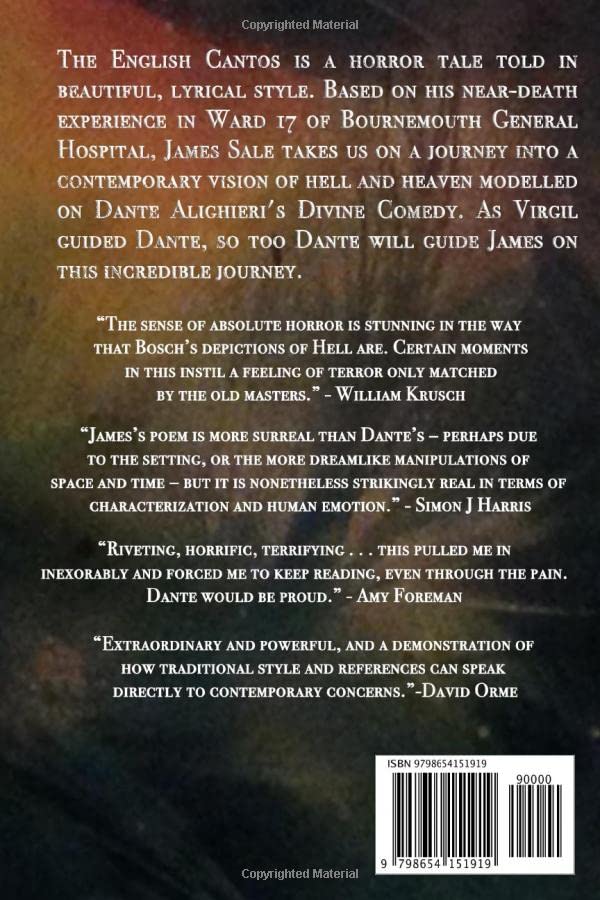
An Epic Journey into the Wards of Hell: A Review of James Sale’s HELLWARD, Volume I of The English Cantos

Inspired by his near-death experience, UK classical poet James Sale journeys with us into Hell, Purgatory, and Heaven, in this epic poem that mirrors Dante’s Divine Comedy, set in the modern world.

In HellWard (Amazon KDP, 2019), the first of three volumes, we enter the ward-dungeons of Sale’s hospital, encountering friends and family – his mother, a pupil, a boss, a poet friend, then meeting those public figures who influence others through through art, politics, and philosophy, poisoned with pride.

We learn that choices matter, free will matters, and we see what happens when the wrong path is chosen. We spiral downward, deeper and deeper into the wards of Hell.

This epic poem reads like a great adventure, pulling the reader along with rhythm and reason, sound and suspense, self-insight and sudden truths denied or ignored. Sale warns us, look and see, the blind are leading the blind. Do we want to follow?

The tension between love and unlove, between humility and pride, is illustrated graphically, continuous and frightening, as if led to a cliff and pushed, then caught in the freefall motion and wafted up, suddenly saved.

And in the end, we realize we create our own Hell here and now with each choice, so that in death we are given what we have chosen and continue to choose. Our free will is our destiny.

We enter these pages and discover ourselves, woven into words, a tapestry showing us who we are and who we are meant to be, the two being disparate, but also longing for union. Sale has gifted us with a mirror reflecting not only our downward turns but the love of God present, desiring to change us into love, to become what He intended when he created us.

For it is not so much a choosing of Heaven or Hell but of being there already – by the choices we have made and the person we have become. If we desire to be away from God and His light, we continue a choosing we have made all our lives.

A unique, powerful, and life-changing epic poem! Lots to think about and revisit again and again. Open the door and enter, guided not only by James Sale, poet, but Dante himself. Highly recommended! And it would make a great movie…

March Journal: Passiontide

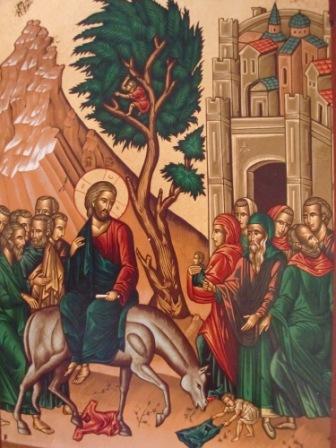
Passiontide is observed the two weeks before Easter, Resurrection Sunday, when the Son of God conquered death to give us life eternal. Lent leads into Passiontide, and we have prepared ourselves with ashes and discipline to face the fullness of Christ’s love for each one of us. To face the fire of this love is no small thing, and so we step carefully through this penitential season, reading and learning the words of love that need to be written on our hearts.

For Passiontide is about freedom, the freedom to love, the freedom to express that love, the freedom to accept that love, the love of our Creator. My bishop of blessed memory often said that “passion” in this sense is the union of love and suffering, meaning the Way of the Cross to death and resurrection. We choose to travel that Way (or not) in our own time on Earth, the days and months and years given to us in which we learn how to love. For love means sacrifice of self to make room for the beloved. A curious conundrum, this love and sacrifice, and each Lent as winter folds into spring we see and hear and know a bit more of that suffering love through our Lenten sacrifices and offerings, through our sacraments and songs.

We are on a journey of love and suffering, a schooling for Heaven. The lessons are life and death to us, literally, so we must pay attention. We learn each time we fall, each time we fail to love enough. We look up from that fallen place, and reach for His outstretched hand. We confess we have not loved enough and He raises us from the dead.

The lessons in this school of love – our own lifetimes – are taught throughout the Church Year. The Church has organized these marvelous works of God, these marvelous words of God, indeed, the Word of God Himself, in seasons throughout our 365 days so that we can walk this path with and within the Church, alongside Christ, re-membering and re-enacting the great moments of salvation history – Christmas, Epiphany, Lent, Easter, Trinity. They are “tides” or seasons and repeat just as the year repeats, so we walk with those gone before and those alongside and those to come. We are schooled in this story, this passion, engrafting words and deeds on our hearts.

I have found memorizing prayers and scripture to be a good discipline as well as sustenance for the soul. This Lent I am working on the prayer For Our Country found in the Episcopal Book of Common Prayer:

For Our Country.

ALMIGHTY God, who hast given us this good land for our heritage; We humbly beseech thee that we may
always prove ourselves a people mindful of thy favour and glad to do thy will. Bless our land with honourable industry,
sound learning, and pure manners. Save us from violence, discord, and confusion; from pride and arrogancy, and from
every evil way. Defend our liberties, and fashion into one united people the multitudes brought hither out of many
kindreds and tongues. Endue with the spirit of wisdom those to whom in thy Name we entrust the authority of
government, that there may be justice and peace at home, and that, through obedience to thy law, we may show forth
thy praise among the nations of the earth. In the time of prosperity, fill our hearts with thankfulness, and in the day
of trouble, suffer not our trust in thee to fail; all which we ask through Jesus Christ our Lord. Amen. (BCP 36)

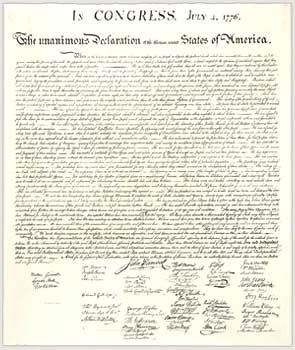
It seems an appropriate prayer for this anniversary year of the Declaration of Independence, particularly the “honourable industry, sound learning, and pure manners” and the union of “the multitudes brought hither out of many kindreds and tongues.” America is indeed the great experiment, and it is true that the Founders of our nation assumed certain truths to be self-evident, given to them by God, for they were largely Christians – Protestants from a Judeo-Christian world.

The prayer was written not by Archbishop Cranmer, who wrote many of the British prayers and put together our marvelous Book of Common Prayer in the 17th century, but in 1882 by Rev. George Lyman Locke (1835-1919), Rector of St. Michael’s Episcopal Church in Bristol, Rhode Island. For it is an American prayer, not British. It was added after his death (but I’m sure he looked on from above) in the 1928 edition.

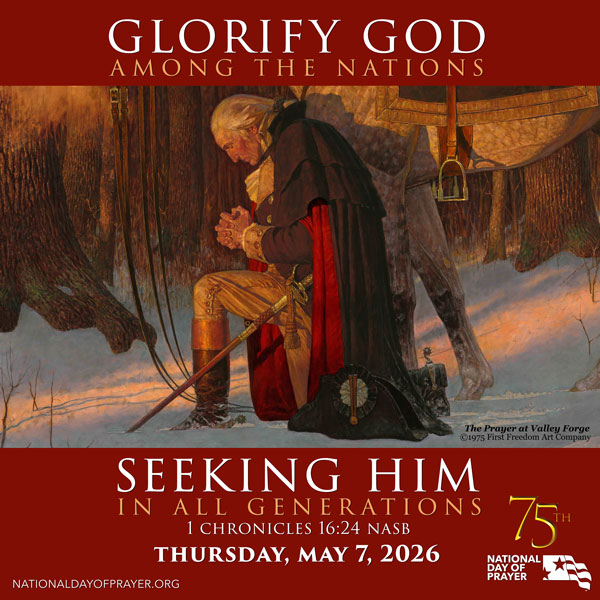
America is a nation founded on free will, freedom of choice, which is founded upon self-evident truths and moral obligations, laws ordained by God. And so we pray at this time that “through obedience to thy law, we may show forth thy praise among the nations of the earth.” And we write these laws on our hearts as we follow Our Lord to Jerusalem, walk with Him the Way of His Cross, and learn what love truly is.

Authoring Peace

Happy Presidents’ Day!

Thank you ACFW for publishing today my post, Authoring Peace, how Christian novelists celebrate the Judeo-Christian tradition of peace and concord, respect for life, and our inalienable rights granted by God. Thank you, American Christian Fiction Writers!

January Journal, Epiphanytide

January is the month celebrating the Holy Name of Jesus. It is a month of seeing, of recognition, of friendship, of love. For only with a clear vision of reality can we choose the Way to Heaven, the Truth of our world, and Life everlasting.

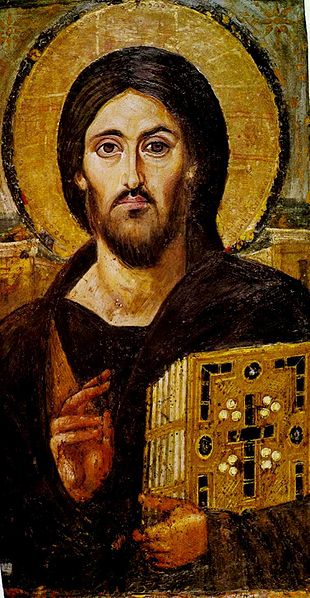
My novel, The Music of the Mountain, takes place in the month of January, and as I plotted the days and weeks I looked at the face of a calendar with squares marking time disappearing. In the course of this month, the Feast of the Epiphany (the sixth) grows into a tide of epiphanies, revealing Jesus, the Son of God, and in this “face-time” we can see him, who he was, is, and ever will be. And as we look upon the holy face, we know him. We recognize him and he recognizes us, smiling.

For with our time and our words and our love, all embodied in daily, hourly, prayer, we have invited him into our hearts, to sit with us in our present moment, encourage us to face the next, and recollect those of the past, the losses and the loves. We live the truth, calling on the Holy Name, Jesus, breathing him in and out as we go about our day. We witness to him with moments of remembrance, praying Jesus my Lord, I thee adore, teach me to love thee more and more. For it is this time between morning prayer and evening prayer, this time of temptation and trial, of tedium and testing, that we see more clearly his Holy Face.

If we remember to see. If we remember to say. If we remember to listen and to love.

For he sees us then; he speaks to us then; he listens and loves us. It is then we know joy.

And so as we travel through January, through the gospels of the boy in the temple, the baptism by John, the changing of the water to wine, the healing of the centurion’s son, we grow in grace. We pray the Holy Name and see the Holy Face and know that life wins over death in this precious and glorious journey through time given to each one of us.

January recalls death, remembering the holocaust of abortion and the killing of unborn children, the holocaust of World War II and the genocide of Jews. We mourn and weep, just like Rachel weeping for her children.

January is a dark month, with short days and long nights, but we also see signs of spring, a path toward the light. We reach for the light in January, preparing to meet Ash Wednesday, live through Lent, walk alongside in the Passion, and arrive at the Resurrection of Our Lord on Easter.

In January we hear the faint melody of angels singing, just as in The Music of the Mountain. Storms buffet, cold engulfs, darkness threatens. Yet in the distance the angels sing, and day by day, as we pray his Name and see his Face, we draw closer to the music of light and life, so that soon we sing with angels and the heavenly host, praising our God of love, life, and light.

December Journal

 
It is a precious time of preparation for the coming – the advent – of God incarnate as Jesus Christ. It is a quiet time of thought, prayer, worship, and song. We reflect and remember with carols and cards the love we bear one another, a love planted in our hearts by Our Lord himself, a sacred love, a suffering love.
 
It is that love that unites Heaven and Earth, traveling through matter and spirit, through bread and wine, and through each of us in thought, word, and deed.
 
We know we do not love enough. We know we fall short here on Earth in this time of training – schooling – for Heaven. We cry to the Lord, “Clean me, make a new spirit within me, dwell in my heart and give me new life.”
 
And in Advent we are reminded he answers us, through Scripture and Sacrament. He comes, this Emmanuel of ours, he comes to us as a baby in a manger, wrapped in sleep, as one song says. He will be born soon to be among us, and he will reside in our hearts.
 
I have found memory to be a wonderful thing, but memory verses even better, and memory prayers the best of all. For prayers committed to mind and heart and lips can be summoned again and again until the Lord of all Creation walks alongside me, with me, close. Prayers are a conversation, not merely a statement of reality and belief. Prayers say, come, come close and talk with me, walk with me. My usual source is the 1928 Book of Common Prayer Collects for the season and the week, and over the years the Advent prayer is revisited:
 
ADVENT SEASON
The First Sunday in Advent.
The Collect.
“ALMIGHTY God, give us grace that we may cast away the works of darkness, and put upon us the
armour of light, now in the time of this mortal life, in which thy Son Jesus Christ came to visit us
in great humility; that in the last day, when he shall come again in his glorious majesty to judge both the quick and the dead, we may rise to the life immortal, through him who liveth and reigneth with thee and the Holy Ghost, now and ever. Amen.”
This Collect is to be repeated every day, after the other Collects in Advent, until Christmas Day.
(BCP p.90)
 
We are, as Dorothy Sayers said, attending the school of charity, the school of love. We must educate our consciences with virtue lessons and sermons and Bible verses. We must train our wills in the art of right and wrong, the commandments given to us by Our Lord through the ages. Then, when we see God face to face we will not be burned, but will see our lives and know what to repent. For only repentance will harvest forgiveness, and only forgiveness – cleansing – will open the doors of Paradise.
 
Our Lord respects our free will. He cannot force us. That is the nature of love. We have the freedom to choose our final destination. And so, in my aging season, I recently adapted the traditional “Jesus Prayer”, to invite Christ to be with me, to talk to me. The more I say this prayer, this “asking” for his presence, stepping through my day, the more I marvel. Ideas pop into my head. Reminders touch me tenderly. And my mind is (mostly) free from worry – for I trust His presence as long as I ask him to be with me:
 
Jesus, My Lord, I thee adore.
Teach me to love thee more and more.
and I end every prayer with,
Let thy will be done in my life.
 

Today, Rose Sunday, we remember Heaven, and we remember the fiat of Mary – “Let it be unto me according to thy will.” And so it was – she was visited by God the Holy Spirit, and Jesus, God the Son, was conceived. She was given a protector in Joseph, and they traveled to Bethlehem, a long and arduous journey, praying again and again, “Let it be according to thy will.” 
 
For it is only when we say yes, fiat, that God can work his marvelous miracles in our lives. We just remember to say yes again and again… and again.
 
Thanks be to God for his gift of life and love, his coming to dwell with us, in us, today, every minute and second. Come Lord Jesus, come. Shine the bright lights of Christmas, Christ-mass, into our hearts. Enter in and show us our sin.
 
Thanks be to God.
 
+++
 
Considering virtues and schooling ourselves, my post, “Visible Virtues: Judging Justice” was published this last week by American Christian Fiction Writers, about how Christian fiction considers how to live out the moral law, revealing argument and judging justice. Thank you ACFW!


Endorsement: A Shorter BioEthics by Francis Etheredge

I have long been an admirer of the work of the British bioethicist and theologian, the incomparable Francis Etheredge. Here is his latest, a volume I am proud to endorse:

+++

Endorsement: A Shorter BioEthics by Francis Etheredge (Enroute Books and Media: September 2025), 76 pages

Bioethicist Francis Etheredge has distilled the themes and arguments of his earlier works into a heartfelt defense of life, human dignity, and personal identity.

He asks the hard questions, forcing us to face the reality of our humanity: Who are we and why are we here? He answers with logic and precision, for we are persons in relationship with one another and with our Creator – the Holy Trinity – God the Father, God the Son, and God the Holy Spirit.

He goes further, anticipating our doubts, asking why we need to bring God into the debate – revealing there must be a first cause if we are to enter the mystery of human identity. And so, while Francis Etheredge clearly owns a Christian perspective, he explains why this is the best argument, as he blends the love of God, reason and evidence, truth and love, into a definition of our humanity.

As he leads us further into the miracle of life, he considers marriage, conception, gender identity, and family. He faces the reality of fertilization, frozen embryos, and the responsibility we share for the lives of these innocent children. In the midst of today’s silencing of debate, he speaks truth, inspiring us to have respectful conversations and educate the next generation to think critically about these heart-rending realities.

A Shorter BioEthics is a stunning work, accessible, courageous, and caring. He asks us to join him on this journey into the light to discover who we are and who we are meant to be. There can be no greater question and no greater answer.

I highly recommend this excellent guide through the dark woods of our time!

Christine Sunderland, Anglo-Catholic Novelist, Octave of All Saints, 2025

To purchase: Amazon

October Journal, Feast of Christ the King

I visited St. Peter’s Oakland yesterday on the Patronal Feast Day of our Anglican Province of Christ the King. Canon Weber’s sermon clarified issues facing our culture today, and I have reprinted it with his permission. Thank you, Canon Weber:

+++

Sermon for the Feast of Christ the King, October 26, 2025; Canon Matthew Weber, preaching at St. Peter’s Anglican Church, Oakland, CA

Jesus answered, My kingdom is not of this world. 

In the name of the Father, and of the Son, and of the Holy Ghost.  Amen.

Today we celebrate the feast of Our Lord Jesus Christ, King.  This feast is especially important to our parish because we are part of a jurisdiction known as the Province of Christ the King; today is, therefore, our provincial feast of title (if there is such a thing).  And as you probably have gathered, on any given feast of the liturgical year, the proper texts—that is, the texts which belong to that feast—express something of the nature of the feast, whether it be the celebration of a particular saint, an aspect of God’s being, or a mystery of the faith.

Today’s lessons seem, at first glance, curious.  We start with an epistle which sings of the glory of Christ’s mighty works : deliverance from the power of darkness, redemption, forgiveness of sins.  Christ is the firstborn of creation, the image of the invisible God, by whom and for whom all was created, the head of the Church, the great Reconciler.  I could preach a whole sermon on what just one of those things implies—and I’ve left out a few components of Paul’s impressive list.

The Epistle sets us up to expect an even more grandiose Gospel—perhaps Jesus prophesying his coming again in glory, perhaps some other regal or epiphanic image.  But instead of the vision which we might expect, of the Son of Man coming in glory from the clouds with the Heavenly Host, we get a brief glimpse of Jesus’ interrogation by Pilate before his crucifixion–not a very triumphant or rousing image, by any means.  Pilate wants to know whether Jesus has actually claimed to be King of the Jews, because–for whatever reason–Pilate is reluctant to condemn him.  He doesn’t look or act like the bandits (terrorists might be a better word) that he usually sees charged with sedition, and wants to be sure that the Temple party aren’t just setting up a rabbi they don’t like for the Romans to deal with.  So he asks him, very specifically, whether he is in fact King of the Jews, and Jesus dodges the question, finally saying the most surprising thing : his kingdom is not of this world.  

And yet, at this very moment we have Christians who are focused on creating a Christian kingdom (or government of some sort) in this world.  Based on the teachings of Reformed theologians like R.J. Rushdoony, Gary North, and Greg Bahnsen, we have pastors and politicians who are quite sure that establishing a Christian theocracy will bring about Christ’s goal of “teach[ing] all nations, and baptizing them in the name of the Father, and of the Son, and of the Holy Ghost.”  Just look at the wickedness of the world today, they say; people commit heinous sins, and the governments of the world rubber-stamp it.  The Church is divided, often against itself.  The West, once shaped by Christianity, is in the process of discarding it as a culture.  I can see how the idea of establishing an avowedly Christian government, with laws to prohibit all the sins that our secular government currently allows, can be attractive to anyone who is dismayed by the state of the world.  Just get Christians elected to positions of secular power and get them started on changing the Constitution and the laws, and everything will fall into place.  Right?

What could go wrong?

Well, as you may have guessed, I think quite a lot could go wrong; but that’s the least of it.  I find that there are several objections that could be made, and the first is this: If political dominion were the goal of the Church, wouldn’t the life of our Lord and his Apostles have looked rather different?  If Jesus had wanted political power, why did he scold Peter and tell him to put his sword away when he attacked the Roman soldier?  If the ministers of the Church were meant to be secular rulers, why did the Apostles scatter to the ends of the globe to preach the Gospel and suffer martyrdom for it?  Why was it that martyrdom was considered the holiest possible death for a Christian in those early days?  And let’s not forget what Jesus says in today’s Gospel, which I quoted for you at the beginning of this sermon: “My kingdom is not of this world.”  So by the witness of Scripture and the early Church, this idea would seem to fail.

Following upon that point, it is true that the Church held an immense amount of political power beginning in late antiquity, and throughout the Middle Ages.  Here the record of history shows us dozens, if not hundreds, of unedifying examples of Christian princes making bloody war on other Christian princes, and going back to ancient history we see that Israel, which had direct access to God and received the Law as though from His own hand, falling into pagan practices again and again.  Their hotline to the Almighty didn’t prevent them from being corrupted.  And we can adduce numerous examples from history as to the disasters that occur when the Church and the State attempt to march in lockstep: the Eastern Roman Empire, which for all its Christianity could not prevent the Iconoclast heresy from taking power; the English crown, which swung like a crazed pendulum between various forms of Catholicism and Protestantism throughout the 16th and 17th centuries (and which now has all but abandoned the faith); and right here in North America, the Massachusetts Bay Colony, in which a person who overslept on Sunday morning might find himself flogged in public for neglecting divine service.  All these arrangements eventually collapsed under their own weight or succumbed to the inevitable tensions between the Church’s ideal and the State’s reality, and in every case both Church and State suffered for it.  Through the lens of history, we must conclude that this is a failed idea.

And then too, there are practical problems.  Whose Christianity becomes the state religion?  Reformed?  Catholic?  Baptist?  What kind of Baptist?  Free-Will, Reformed, Regular, Independent Fundamental, and so on?  Here again, the adoption of any particular distinctive form of the Christian religion will force the government to persecute members of dissenting faiths—because if dissent is tolerated, then the slow sink into indifference will be all but assured.  And these dissenters will quite likely outnumber the conformists, which is a problem of its own.  

Another possible practical problem: how will this Christian government deal with commerce?  There is much that occurs in the world of business which may be legal, but is hardly moral.  How will a Christian government make this distinction?  Will it also tolerate sharp practice in business, risking the taint of corruption in the newly-Christian state?  And in a global economy, what will such a government do about trade with countries like China, which persecutes Christians and is involved in active genocide against the Uighur people?  How could our Christian government continue to trade with a country that commits such evil?  And so we see that for practical and moral reasons, this idea fails again.

Lastly, and I think most importantly: Does passing laws to enforce Christian behavior make people more holy?  Does it contribute to their sanctification?  I think not.  It is crucial to salvation that we be free to make the choice.  And being free to make the right choice entails also being free to make the wrong choices!  If we coerce people into joining the Church, we become just like those of other religions that we criticize for spreading the word by means of the sword.  So it seems to me that from the perspective of mission, this idea fails miserably.

It must seem terribly attractive to simply seize the reins of power and compel everyone to behave the way they ought, to actualize the Kingdom of God on earth.  But Christianity in this world is over and against; joining it with the powers that be weakens it and forces it into compromise with the demands of politics, which  will inevitably corrupt the ideal.  We know that Jesus will return at the end of all things, to judge the world and to institute his Kingdom.  We cannot make this happen according to our desires or our schedule; God cannot be compelled by our actions.  That would be, not religion, but magic—and magic is forbidden to us.  Our work here on earth is to love God and to love our neighbor: nothing more and nothing less.  That is a life’s work which I have yet to perfect, and I suspect the same is true of most Christians—so what is most important is that we keep at that, and trust in God’s mercy and love to supply what we cannot: so that at the King’s return, when he shall come to judge the quick and the dead, he will find us all ready.

In the name of the Father, and of the Son, and of the Holy Ghost.  Amen.

September Journal, Thirteenth Sunday after Trinity

Once again, we mourn for America, for her freedoms, for her free speech. It appears that speech isn’t free, that we must earn it, or pray or pay for it, or simply do all we can, peacefully with words, to protect it.

We mourn Charlie Kirk, a true patriot, assassinated on the eve of September 11, the devastating attack on our country, that bombing of the World Trade Center and Washington D.C. by radical Islamist terrorists. The Texas flood and the lost children, the murder of children praying in school in Minneapolis, and the Ukrainian immigrant murdered on a train, have formed a chain of sorrow running through these summer days. We mourn. We cry. Our hearts are breaking.

As I wrote in my last post on this site, Christians look to Christ to bring us into that glorious liberty as children of God. And in this fallen and broken world, we live that liberty with love and learning, educating those who do not know, comforting those who mourn alongside. So we are the lucky ones, the believers in this loving God of life. We are the ones to heal our nation and the world. And so we must not be silent. We must use our words to give witness to life, the life embraced and enfleshed in the Judeo-Christian tradition of the West.

For Christ was the Word made flesh and dwelt among us and we beheld his glory, the glory of the Father. He was and is the light in our darkness. We must be his light in the world.

Just like Charlie Kirk.

And so, my quarterly contribution to American Christian Fiction Writers was published on Nine-Eleven, Thursday, Patriot’s Day, the third in a series on the Virtues, Visible Virtues: Prayerful Prudence. I dedicated this to Charlie and his family.

Each of us is a word made flesh, a word created by God the Father, the Son, and the Holy Spirit, at the moment of conception. On this thirteenth week of the Trinity season, we are strengthened by the Holy Trinity, feeding us and nurturing us with word and sacrament through Christ’s bride, the Church.

We give thanks for the life of Charlie Kirk, and we mourn his passing, a great loss. And we pray for the healing of our country.

For Our Country
ALMIGHTY God, who hast given us this good land for
our heritage; We humbly beseech thee that we may
always prove ourselves a people mindful of thy favour and
glad to do thy will. Bless our land with honourable industry,
sound learning, and pure manners. Save us from violence,
discord, and confusion; from pride and arrogancy, and from
every evil way. Defend our liberties, and fashion into one
united people the multitudes brought hither out of many
kindreds and tongues. Endue with the spirit of wisdom
those to whom in thy Name we entrust the authority of
government, that there may be justice and peace at home,
and that, through obedience to thy law, we may show forth
thy praise among the nations of the earth. In the time of
prosperity, fill our hearts with thankfulness, and in the day
of trouble, suffer not our trust in thee to fail; all which we
ask through Jesus Christ our Lord. Amen.
1928 Book of Common Prayer, 36