
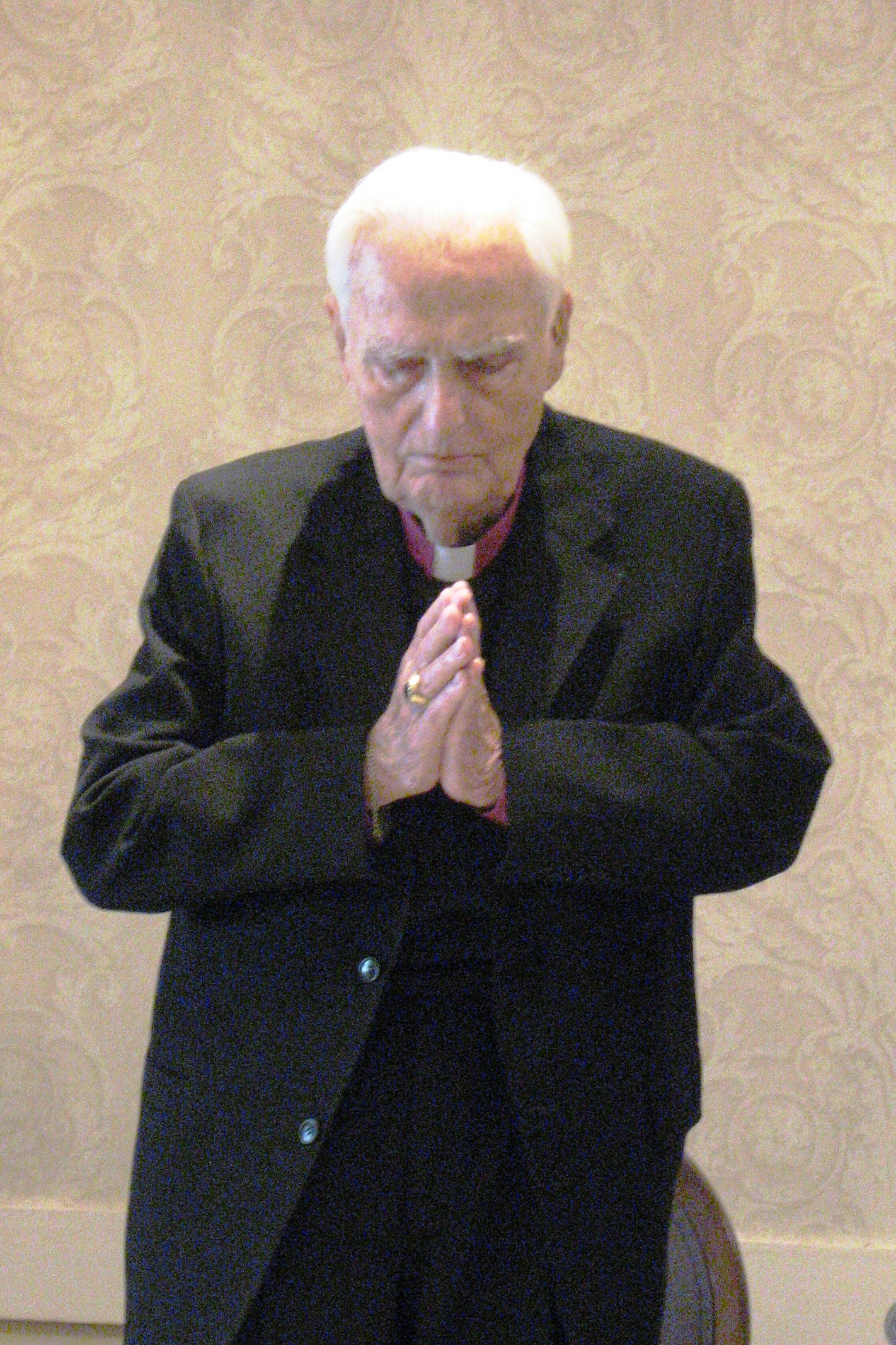
 My bishop of blessed memory, the Most Reverend Robert Sherwood Morse, often said he was a person of Reality. He was interested in the truth and nothing but the truth. He was unafraid to embrace Reality and called on others to do the same. For only by being honest about the world around us, and the world within us, can we be sane. Other versions, versions made up or twisted at the command of feelings and personal desires – those unreal fantasies of the world and of our own souls – lead to insanity, the devil’s delusion, Lucifer’s triumph.
And so it is disturbing to see the lies promulgated by the mainstream media re the January 6 protest at the Capitol in Washington D.C. They call the demonstration an insurrection, and yet the police allowed these protestors to come in, for they were peaceful demonstrators. The police opened the doors for them (is this why four Capitol Police have since committed suicide?). Even today, the vast majority of the demonstrators arrested have only been charged with misdemeanors, such as trespassing. The only person killed was one of the protestors (unarmed), shot by a policeman. The protestors had few weapons and fired none. This is what the film footage shows, at least what we have been allowed to see. Compare this “insurrection” to the summer riots of 2020 where many were killed, property was torched, and livelihoods destroyed. In Portland the riots continue today and other cities as well.
It is also disturbing that the fact that the “Russian collusion” narrative has been evidenced to be a hoax and is not reported by mainstream media. This was an undermining of an election by the Obama administration and later impeachment of sitting president by Democrat operatives, based on a hoax. Why has this been buried by the press?
I believe the answer, at least the kinder answer, to these troubling questions is that many Democrats and the Far Left pursue a utopian vision of society with transferred religious fanaticism. Many truly believe such a world is possible, and this belief allows them to use any means necessary, including lawbreaking, threats, extortion, lying, fraud, and even perjury, to achieve their utopia. The end justifies the means, they say, a dangerous road to take.
But utopian visions of mankind have no roots in Reality. They sound good, but fallen man is not capable of perfection without God, and then only in another life. Reality reveals humankind in a true light, with all the temptations to selfishness and power, all the warts and blemishes, all the fanatical desires to control others. As someone once said, it is what it is, we are what we are. This is the Reality of humankind. As I recall, once, long ago, a man and a woman in a garden ate of a forbidden fruit…
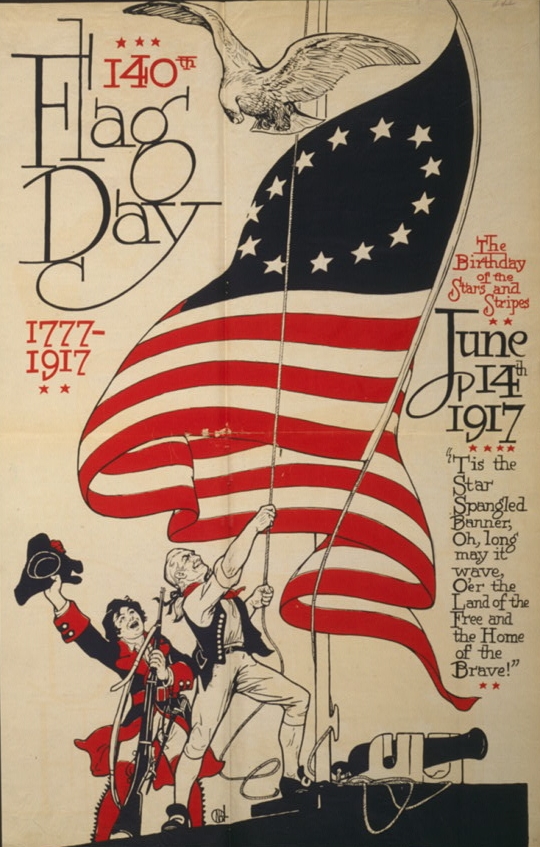 And so the Founders understood, being grounded in the Judeo-Christian tradition, that these human foibles were to be guarded against, and they instituted checks and balances upon all institutions of power.
I believe the Far Left, wannabe Socialists and Communists, those who wage war upon centrist Democrats and all Republicans, in this sense, mean well. They are true believers in their dream vision: Utopia is in their sights, they say, and happiness will blow over the land of the unfree once their control is established, for they see themselves as enlightened and the rest of us as deplorables, the unenlightened.
But history reveals again and again that such control leads to tyranny. Not one of the many utopian efforts in the past or the present have succeeded. On the contrary, being rooted in Unreality, an insane dream vision of mankind, these regimes have done incalculable harm, murdering over 100,000 in the twentieth century alone by means of Communist, Marxist, and Fascist purges. To achieve utopia, much like the iconoclasts of the Reformation, they are compelled to purify the populace, purge undesired ethnicities, the handicapped, the unborn, the elderly, the religious, the gender confused – any who hold divergent views, who stand in their way. Ironically, they are purging diversity itself. These purges continue today in China and Russia. We see the slaughter in Cuba and North Korea.
To see these regimes as utopian, the Left is wedded to Unreality. They must shackle the media and freedom itself. They must crucify religious allegiances. They must silence dissent. They must rewrite history to make the utopian means seem sane.
So here we are, caught in this web of lies, listening to the approach of a rumbling, tumbling, deeply troubling terror. This last week, the FBI branded mothers speaking out in school board meetings as domestic terrorists. Alas! Is this really happening?
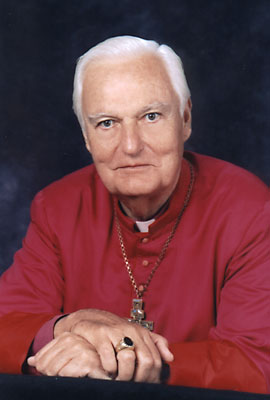 And yet, my bishop of blessed memory also often said, all is Grace. I believe he meant that the action of God’s Grace upon each one of us, upon school boards, upon America, upon the world, has the power to change minds and hearts and even to heal the blind to see, to see Reality. And if not, if we as a people are indeed no longer opening our hearts and minds to the Grace of God, then so be it. Some of us shall continue to witness to the truth with our words and with our votes as best we can, knowing that Grace envelops us, leading us Heavenward. For in Heaven we will sing with the angels and the saints, the ultimate Reality.
This morning in our Berkeley chapel it occurred to me that this earthly world is a rehearsal for what is to come, for the faithful Christian. Worship prepares us for worship in Heaven, singing praises to God, as we are flooded with His glory. With each choice we make on Earth, we choose Heaven, or reject Heaven. With each crossroads we carry the cross of Our Lord a bit farther into the woods, a bit farther up the mountain, buoyed by the waters of baptism, along the rivers of righteousness, for His name’s sake.
And we fear no evil, for He is with us, even unto the ends of the Earth. We are graced with Reality. We know Him when we see Him, this morning in the Chapel, this afternoon in my heart.
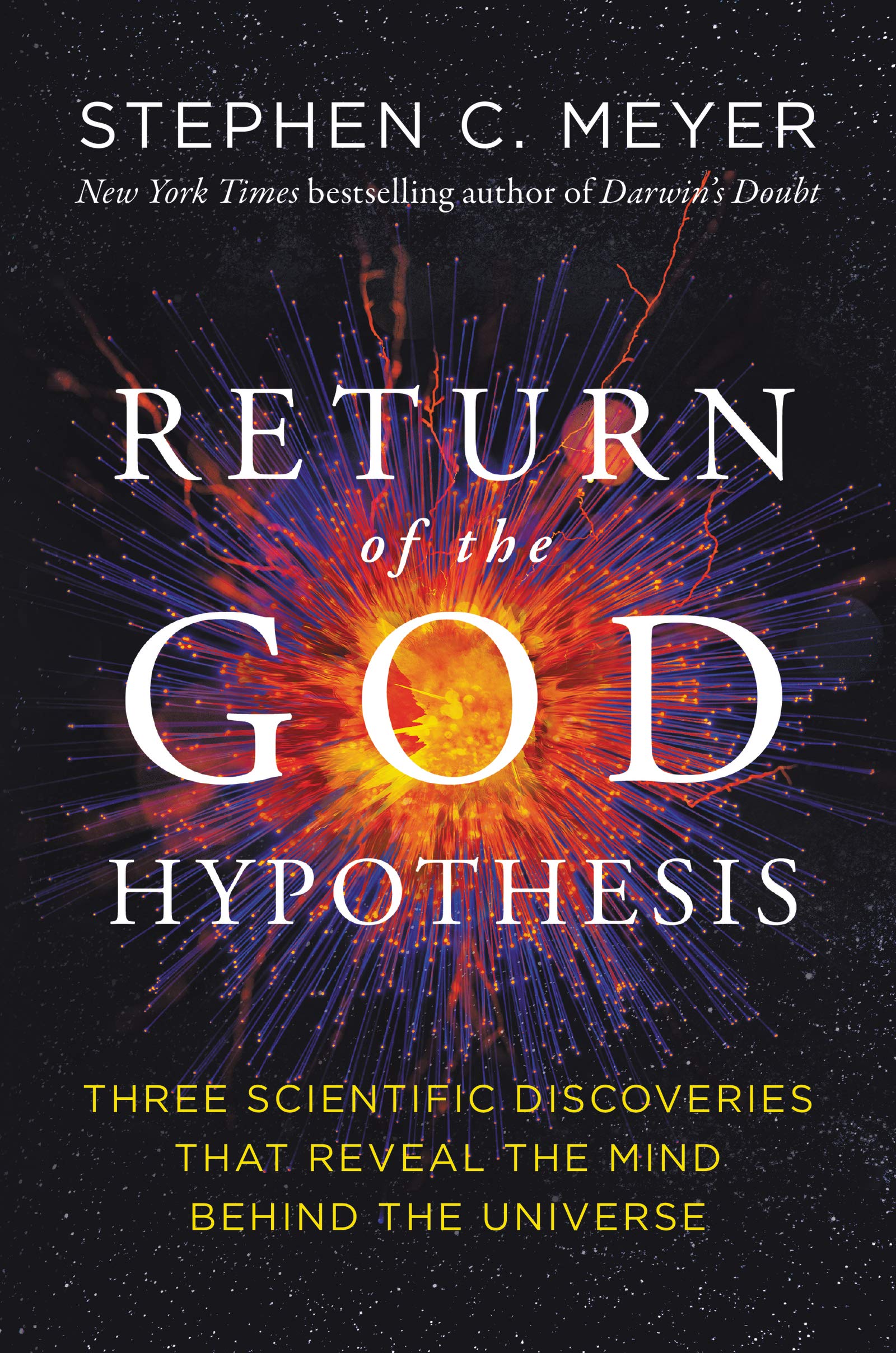 It is a curious thing, just as the world as we know it appears to be collapsing, just as the materialist-atheist worldview appears to have triumphed and the Judeo-Christian worldview appears to have vanished, just as objective truth has been banished by Oregon’s schools and math thrown out as racist, just as the wisdom of centuries is stamped down and trodden upon with some kind of diabolic glee – just as all these signs and many more point to Armageddon or the end of the world or simply a second civil war in the Dis-united States, Steven C. Meyer brings us another brilliant book to argue the opposite, reminding us that science points to an Intelligent Designer behind all creation.
 Having finished off Ben Shapiro’s excellent The Authoritarian Moment (well worth the read with copious notetaking), I ordered Steven C. Meyer’s Return of the God Hypothesis.
  As I await delivery (old school print), I am returning to Sohrab Ahmari’s The Unbroken Thread: Discovering the Wisdom of Tradition in an Age of Chaos. His immigrant story sheds light on the disappointment many of today’s immigrants share when they see America as no longer celebrating tradition and freedom, no longer proud to be a beacon on a hill, but instead heading toward the tyranny these immigrants were escaping.
 In my growing stack of “research for the next novel, immigration theme” I am also looking forward to Prey: Immigration, Islam, and the Erosion of Women’s Rights by Ayaan Hirsi Ali. She is a vital witness to the true effect of militant Islam in the world, the silencing of women, gays, Jews, Christians, and peaceful Muslims, in obedience to sharia law.
 In my novel, Angel Mountain, one of my characters is a geneticist who, when he speaks truth to power at UC Berkeley, is pushed into an early sabbatical by the woke powers that be. In this excerpt, Dr. Gregory Worthington, 37, our geneticist, walks a trail on Angel Mountain with Catherine Nelson, 33, a UC librarian, and explains a bit about what these discoveries entail:
 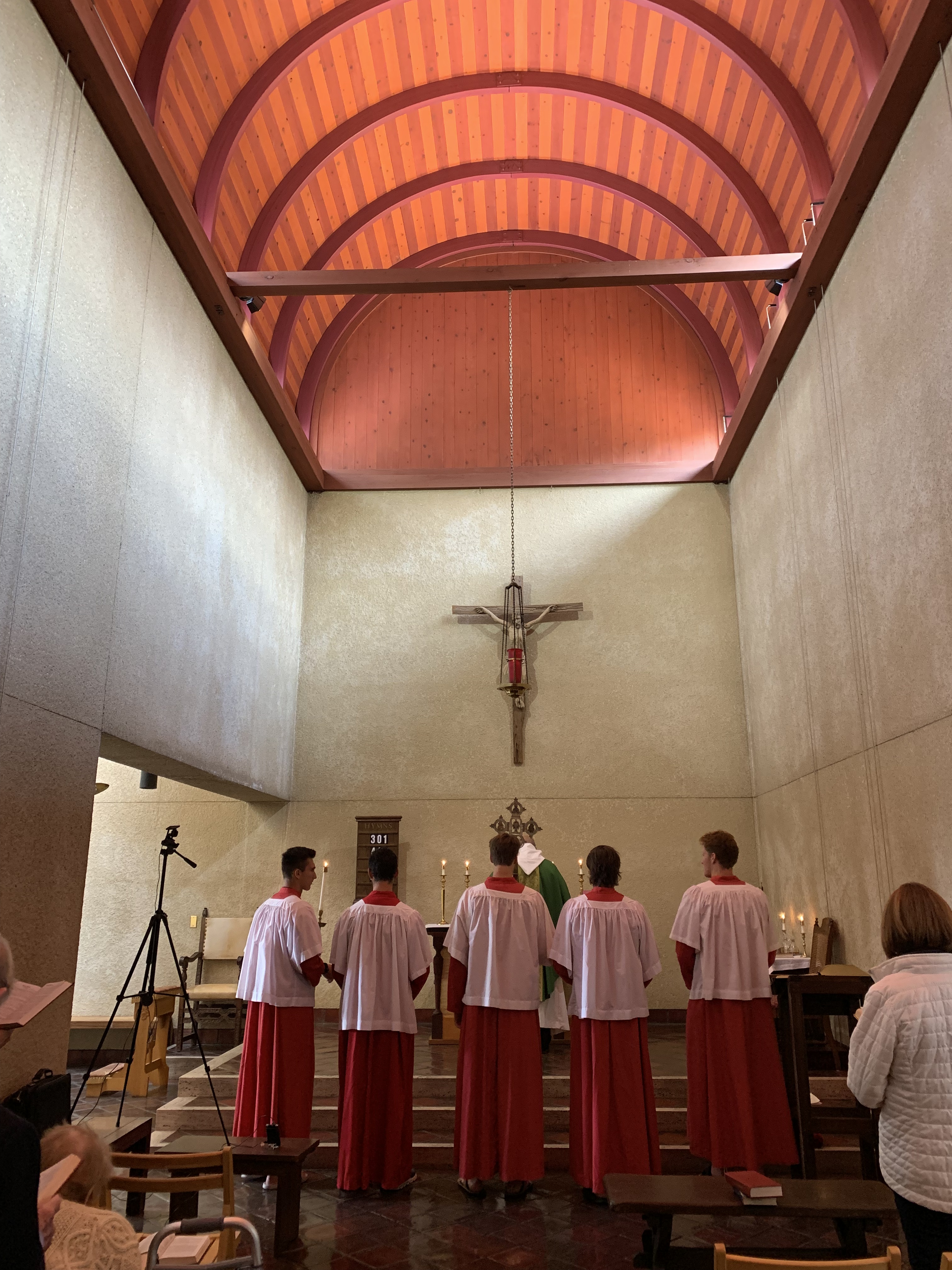 I was glad this morning to see all well at our Berkeley Chapel. Our streaming online was set to start, and the hymns listed on the hymn board were some of my favorites. The organist was playing a piece that filled the space with joy as we awaited the dramatic procession in from outside. Five of the 14 Cal Rowing Crew who are residents on the property would be assisting our Dean of Seminary, Fr. Napier, and as all the pieces of the hour fell into place, I sighed my thanksgivings: thanksgivings for the place, the people, the freedom to worship in this holy chapel, unique and precious.
 One of my favorite podcasts is Andrew Klavan on
 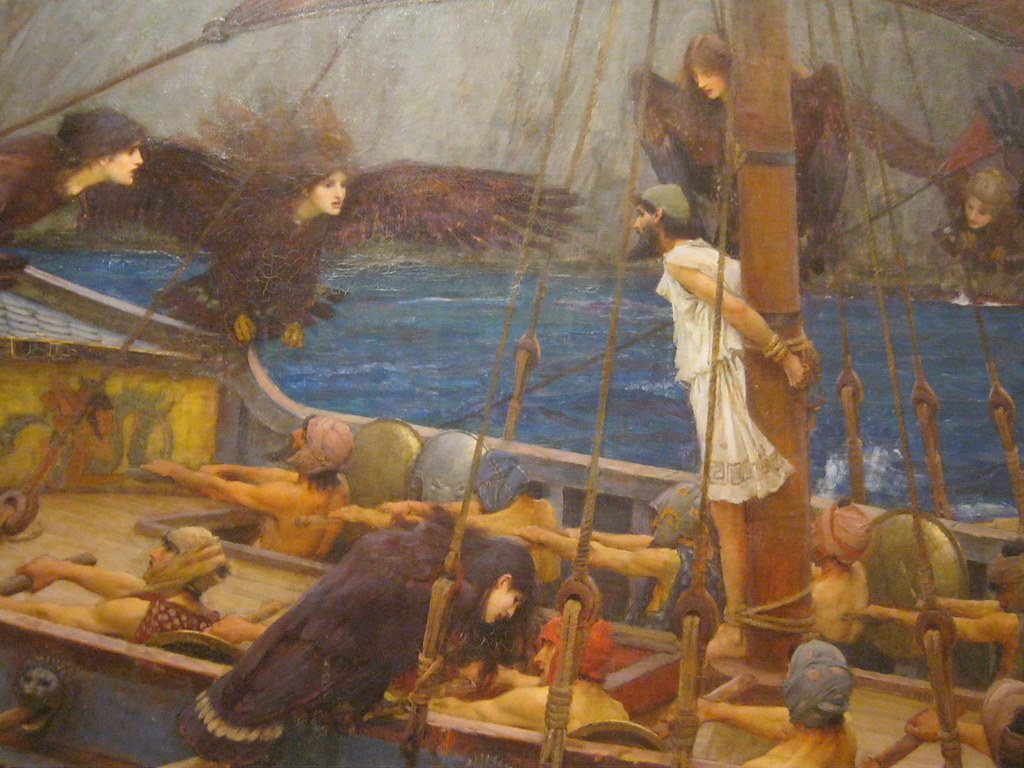 I read recently that Homer’s Odyssey had been cancelled for some woke reason as part of a high school curriculum. One of the striking images in this classical work is the image of Odysseus tied to the mast of a ship, his ears plugged, in an effort to not listen to the sirens calling him from a distant shore. As I recall (and it must have been over fifty years ago that I read it) they are tempting him away from is purpose, sailing true and straight for home. And so we have the siren songs of today – the many distractions, some serious, some silly, that call us away from using our time well, away from the way we should be going, sailing straight and true for heaven. They are false alarms in the truest sense.
 I’ve been thinking how time layers us with its seconds, minutes, and hours. As we journey through this pilgrimage of time on earth we are layered with our choices, our loves, our sins, our virtues. Each one of us is unique and uniquely loved by God our creator. Each one of us is a fine painting, a charming concerto, a sculpture carved in the image of God. Each one of us is a one-of-a-kind work of art.
 And so I am a slightly different person each day, as another brushstroke has defined the texture of my canvas. I know more than I did, and this knowledge adds to my daily growth.
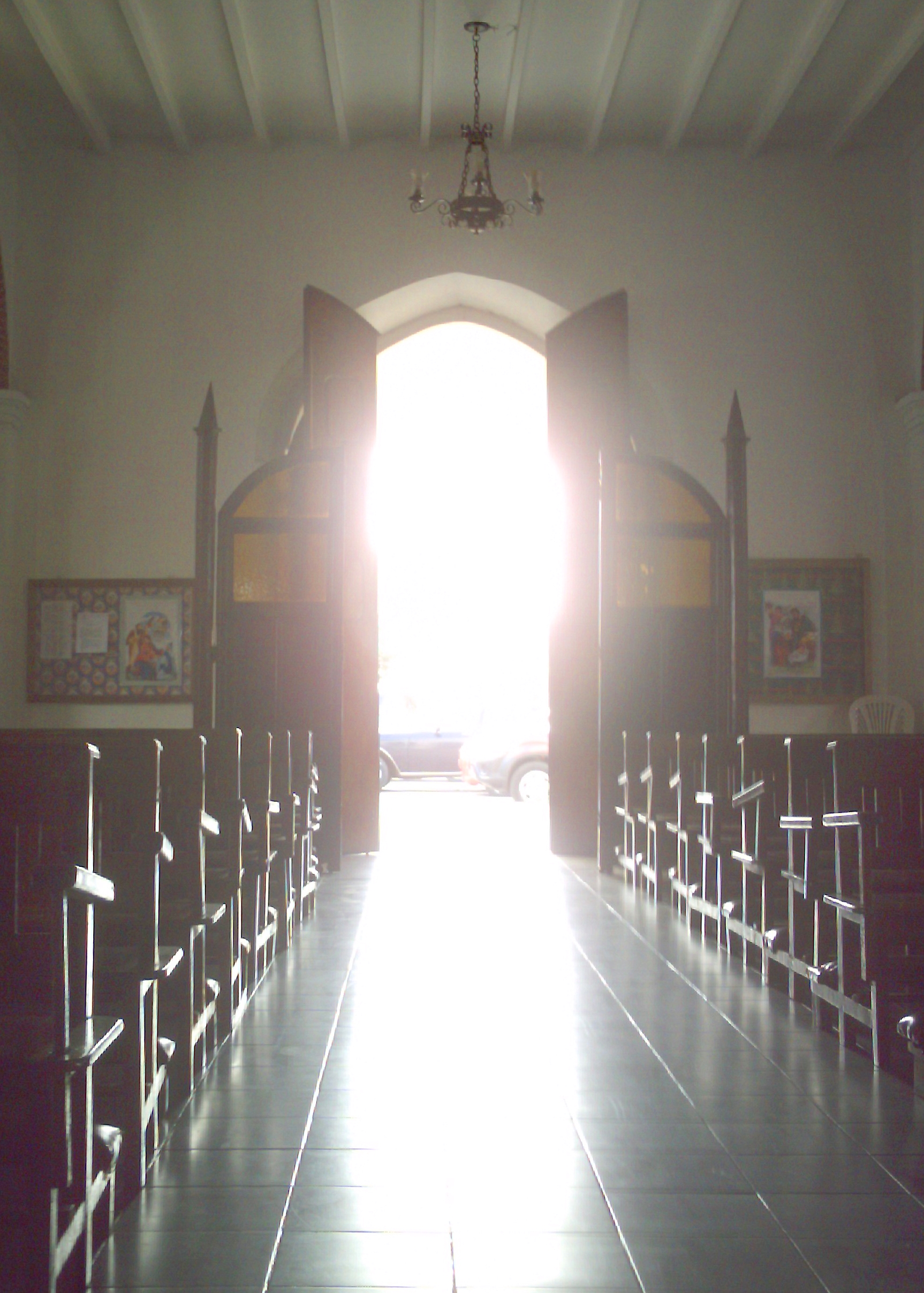 The Church opens a door to that journey of joy. It opens the door onto the porch outside, onto the sidewalk, saying, come and see, come and see… Come and be painted by the Master of Creation. The Church opens the door to the tabernacle, the Holy of Holies, saying, come and be fed by the Master of Life. With these layers, these brush strokes upon our souls, we open our hearts to one another. We join together, layered by Christ, brothers and sisters, the parish family.
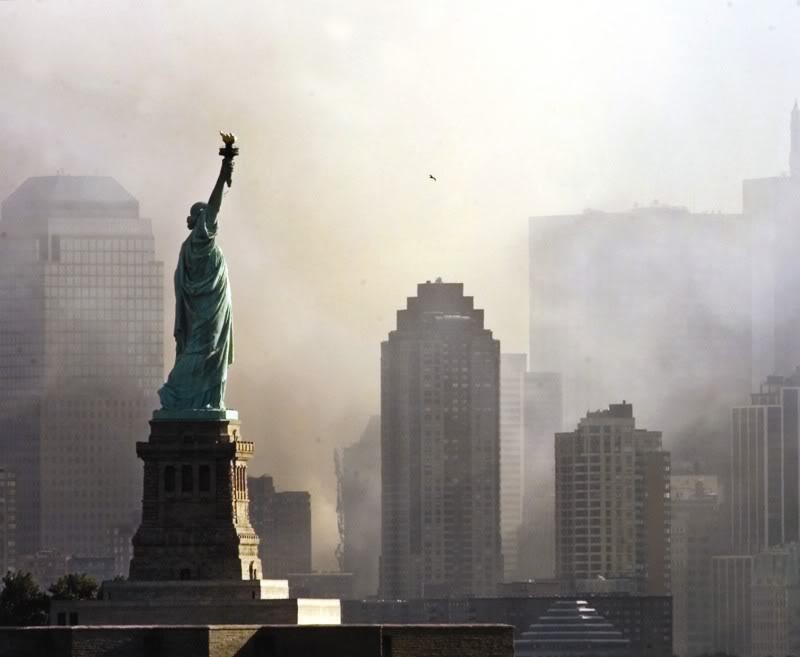
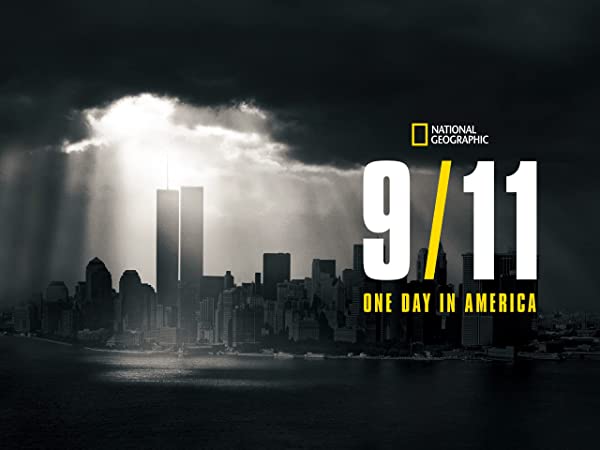 Anniversaries of past events serve our memory, for good or for ill. Some are recurring celebrations: birthdays, weddings, graduations. Some are firsts: first word, first tooth, first concert, first kiss, first…. And some are recurring memorials of past tragedies or sorrows: Pearl Harbor, terrorist attacks, Nine-Eleven. We remember these annual events so that we will not forget.
  Where was I on Nine-Eleven when the first reports came through on the television? I was at home, and I saw the newscast as we made breakfast, for 8:45 a.m. in New York City is 5:45 a.m. in the San Francisco Bay Area. We were stunned, as was the nation, and then we feared we were now at war once again.
 This seems to be happening all over again as we shamefully exit Afghanistan and defund not only our police but our military. We are ripe for another attack upon our soil. What will it take for us to truly wake up and not just be woke? Or, when will the woke awake? The pandemic has diverted our attention and nearly blinded us to reality. We live in a fallen world, and while many hold utopian visions of the goodness of all mankind, these visions are not rooted in reality. America alone offers freedom to the world. Other Western nations have become too weak to offer anything but dreams and platitudes. Soon America will be too weak as well. The Taliban et al do not desire to have a seat in the world order of united nations. This is not their goal. They want a world theocracy governed by Sharia law.
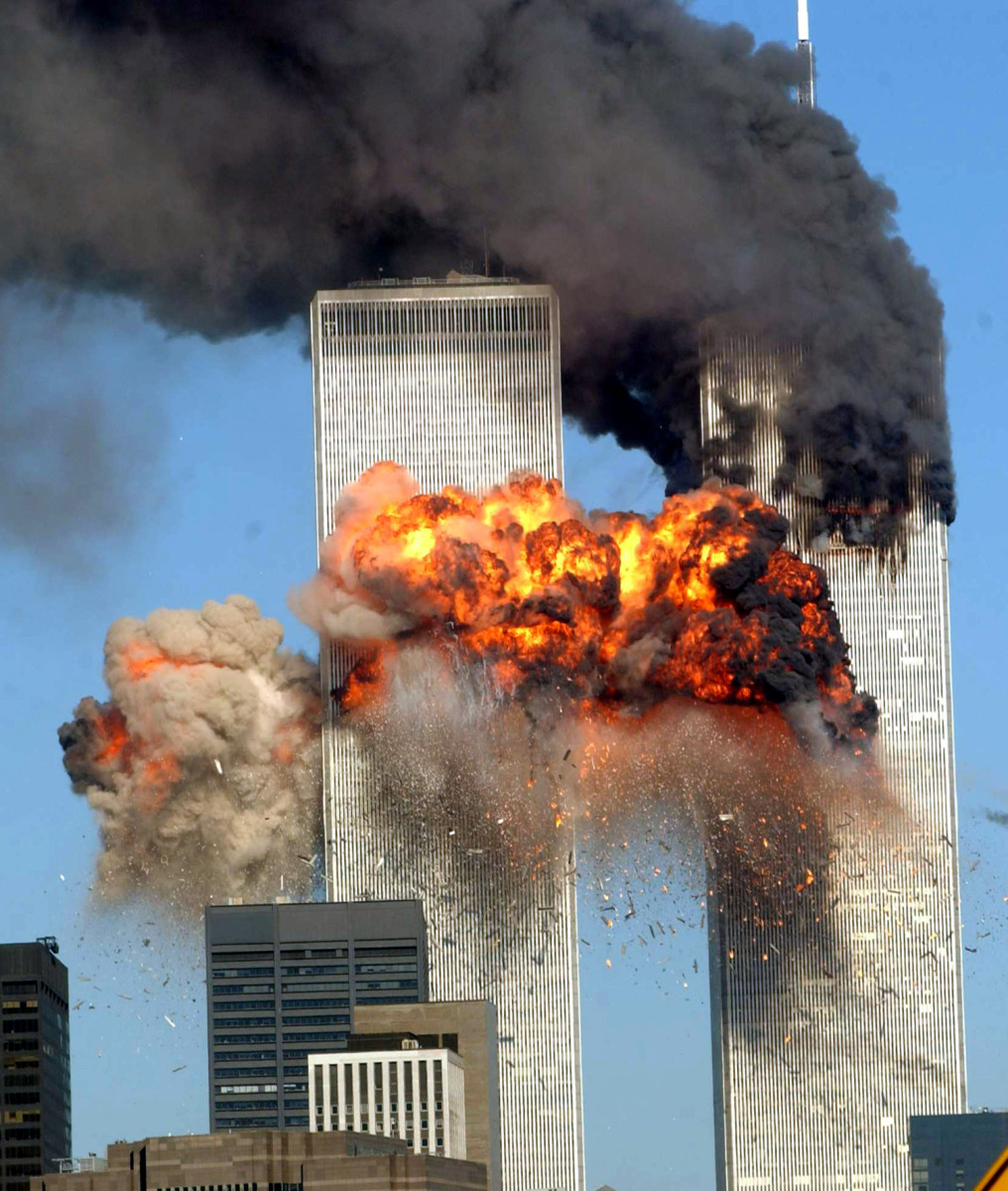
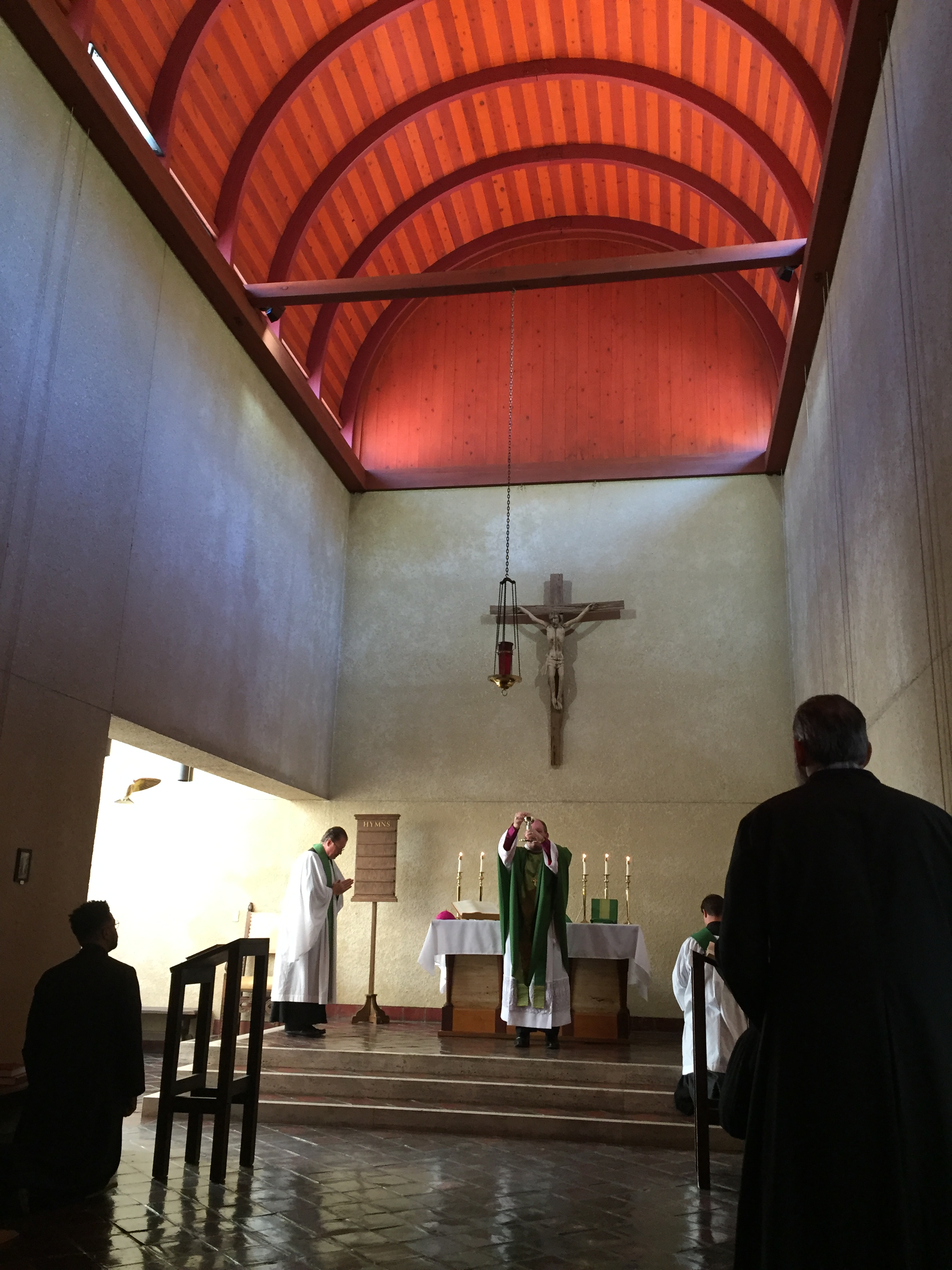 With the images of the planes hitting the towers, of the explosions and black smoke billowing into the crystal blue sky over Manhattan, of the people jumping to their deaths to avoid burning, of the collapse of the tower into a giant heap of ash and rubble that ate the air of Lower Manhattan, home of world trade and finance – with these horrific images running through my memory – I was glad to spend a few hours in our Berkeley chapel this morning. I was glad to sing and pray together with my brothers and sisters. I was glad to let the thundering organ notes pour over me, fortifying me. I was glad to hear the Gospel lesson about the lilies of the field that neither sow nor reap, and that our Heavenly Father cares for them. I was glad to be reminded not to worry too much about tomorrow. And of course Our Lord was not saying to sleep through the days but to be heartened, for in the end, all things will work to the glory of God. We still need to be perfect, still need to repent, and still need to learn better ways of loving one another. We still need to be faithful, watching and vigilant.
 On that same Thursday, about the time that Zachary Aguilar began his run and Anna Aguilar made tea, Jessica Thierry decided she would not return Zachary’s calls from Monday, Tuesday, and Wednesday. She wanted to concentrate on her thesis, and she set to work. She spread out her papers and photos on the counter. She turned on her laptop and checked the national news.
 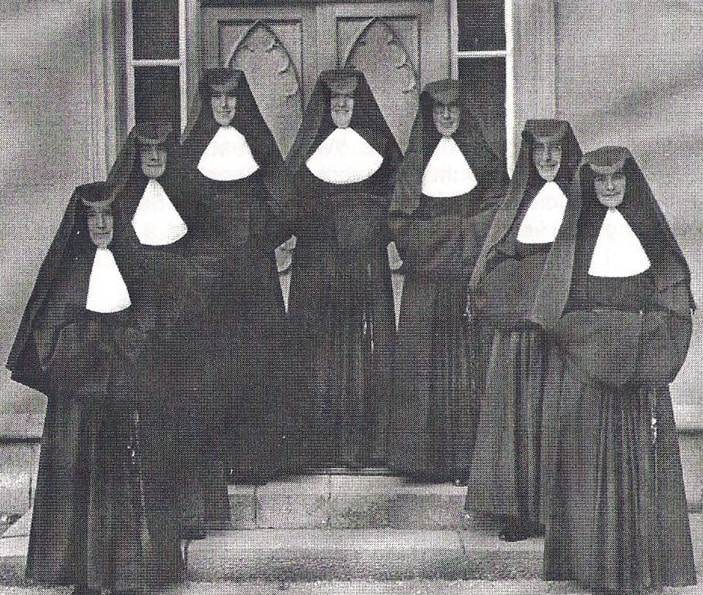 The presence of religious institutions in the late nineteenth century were key to the development of the city of Berkeley, and thus give good reason for government support today. I shall argue this through examination of the work of the Presentation Sisters in the nineteenth and twentieth centuries and its impact on the community of Berkeley. I shall consider the change in the community with the erosion of such religious institutions, changes seen in education, medical care, and public safety, areas of vital interest to city, state, and federal governments.
 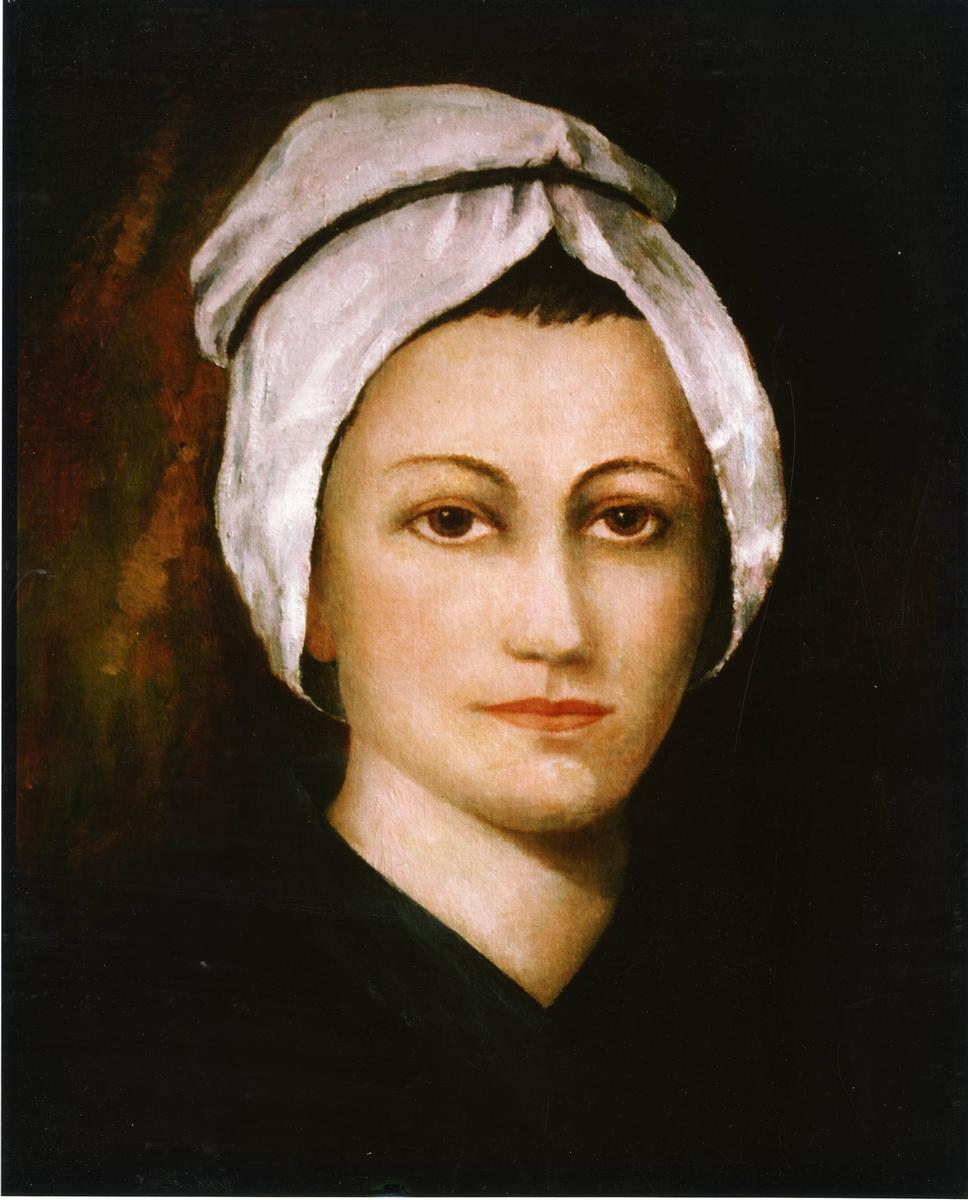 The Foundress
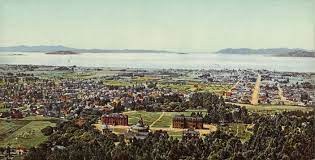
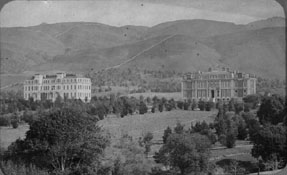 In 1866 the private College of California in Oakland, led by Congregational minister Henry Durant, taught a classical core curriculum modeled on Yale and Harvard. The trustees decided on a new site alongside Strawberry Creek in the foothills of the Contra Costa Range.
 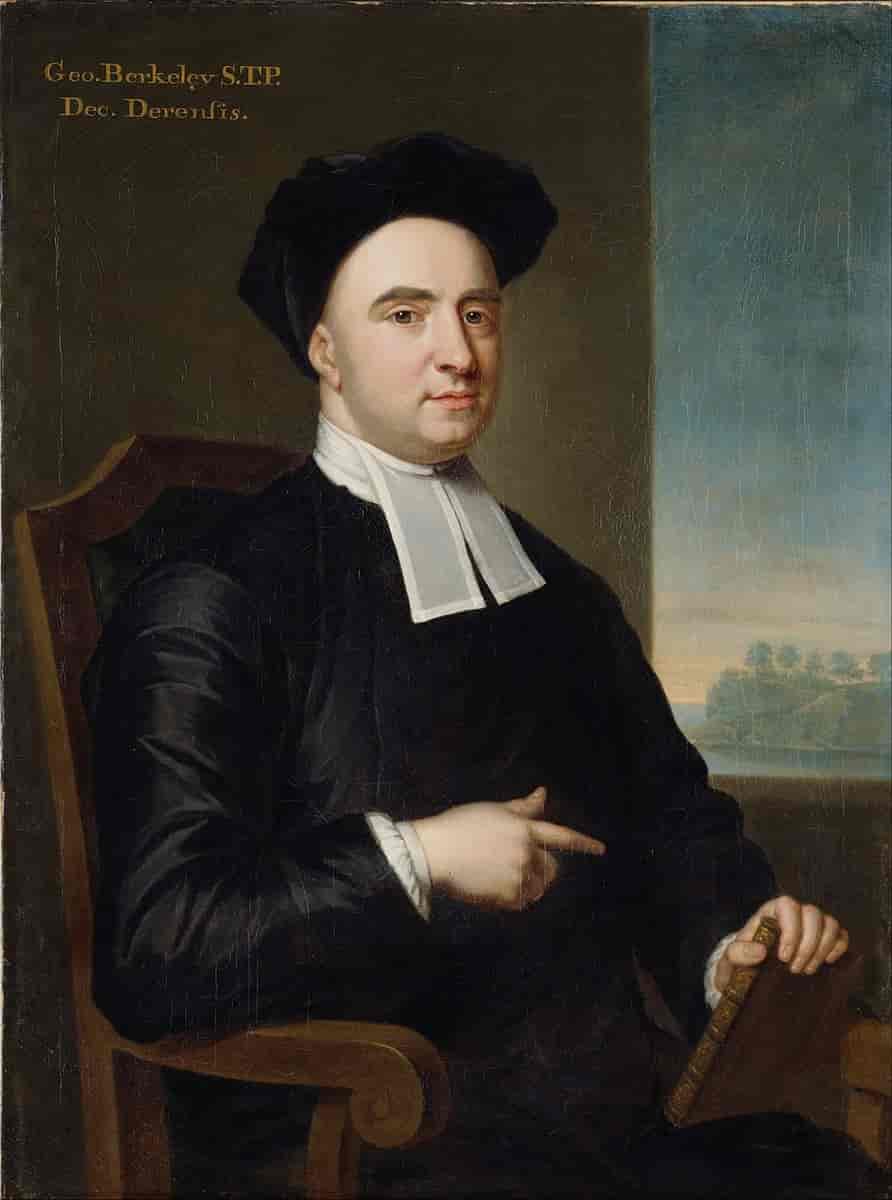 Bishop Berkeley (1685-1753) had spent four years in New England and had written a poem, “The Prospect of Planting Arts and Learning in America,” the last stanza being:
  While much has been said about the negative aspects of British colonialism, it cannot be denied that wherever the empire found itself, it worked untiringly to better the population to the degree it knew how. And the British heritage, the heritage of the West, is one of learning, law, and charity, seeds planted by Christianity. It is a legacy of freedom that flowers throughout the world on every continent among all races and is no longer unique to the Western world, but characteristic of the “Anglosphere.”
  A sudden silence fell over them like a pall as they stepped slowly and carefully down the gravel path through the gardens, hearing only the sounds of their footfall and the caws of unseen birds high in the pines. Pausing, they looked out to the pale sky spread over Comerford House. When Anna spoke, Father Nate could barely hear her. “I was making breakfast when I heard,” she said. “Where were you on Nine-Eleven, Father?”
 “Louise Casparian, Nicholas’ wife.” Anna grew silent, and Father Nate could see an array of emotions pass over her face. She waited for him to speak. “She died that morning,” he said, focusing on a pale pink rose in the garden. “She was visiting a cousin at her office in New York at the Trade Center. They never had a chance.”
 “Six grand pillars?”
  They crossed the lawn to the French doors. He wanted Anna to understand what it means to be a refugee, to emigrate to America. “Anna, our grandparents fled the Armenian genocide of 1915 in Turkey, where their own parents—our great-grandparents—were murdered. They worked hard when they came to this country. They farmed near Fresno, living in a refugee community. Nicholas and I grew up during World War Two. We were raised to deeply value liberty—the freedom to think, speak, and worship as we choose. We loved America. We loved the culture of the Western world. We didn’t have much, but we had America. We were Americans.”
  Father Nate picked up a towel and reached for a cup. “This Fire Trail killer is a victim of our not enforcing the law. We’ve grown lax because many don’t believe in the source of our laws. Nicholas sometimes quotes Jefferson: ‘Can the liberties of a nation be secure when we have removed a conviction that these liberties are the gift of God?’ The words are etched into the Jefferson memorial in Washington, D.C.”
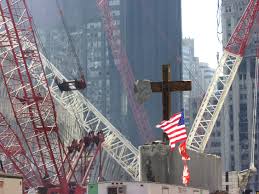
 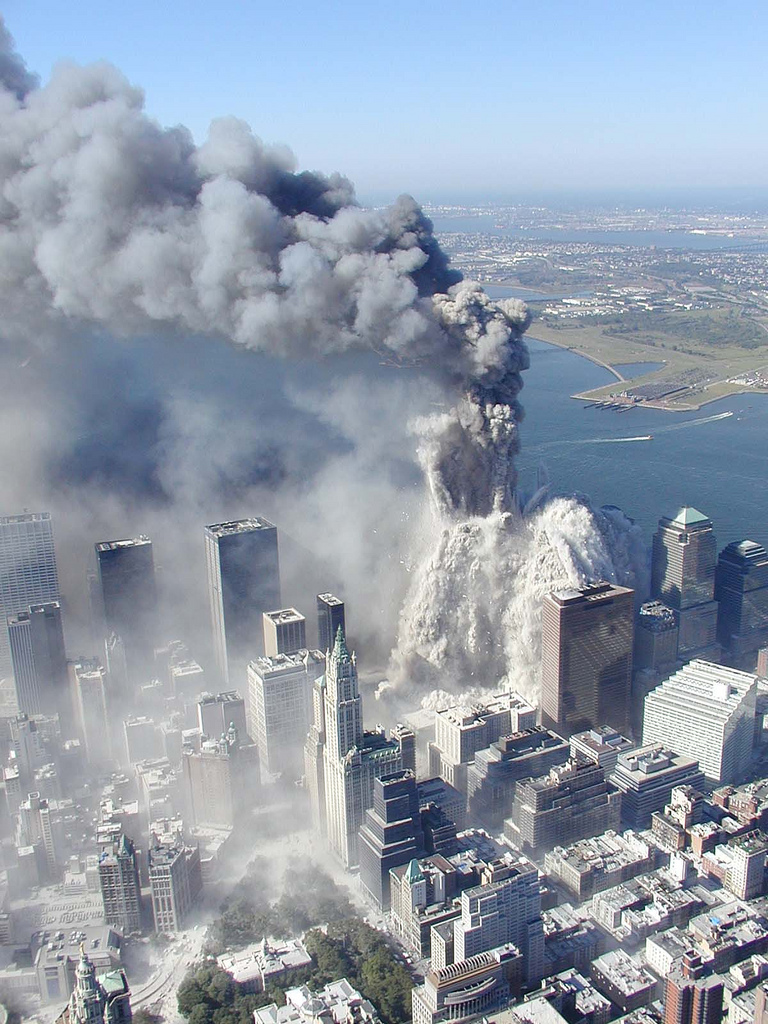 The first TV bulletin had been nearly unbelievable. The voices of the reporters moved from pragmatic concern to astonishment to horror at what they were seeing, and then saying, as they described the planes diving into the towers. Today, thirteen years later, Anna could see it so clearly: the black smoke of the first plane and the fiery explosion of the second. It was, she recalled, when the second plane hit, that she, along with a stunned nation watching, concluded this was not an accident. The United States was under attack. But who would do such a thing? Later, she learned, four passenger airliners had been hijacked by nineteen terrorists who had turned the planes into suicide bombs.
 The kettle whistled. Anna turned off the burner, the flame died, and she poured boiling water over tea leaves in the pewter teapot. Leaving the tea to steep, she moved from the kitchen into the foyer and crossed to the music room. From there she could see the San Francisco skyline, its misty shape still visible, still intact. Comerford’s porch flag flew at half-mast, and she watched the heavy canvas ripple in the growing damp, its stars and stripes waving as though holding the past and the future in its weave.
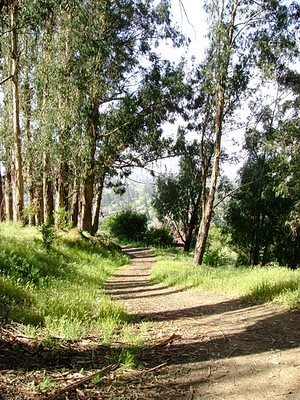 “On Thursday, September 11, close to four p.m., Zachary parked his car at the trailhead where the East Bay hills bordered Berkeley. It was the anniversary of a horrific day of national tragedy, and he needed to see the silvery bay, the San Francisco skyline, and the Golden Gate. He wanted to think. His mind and heart were a jumble. He needed to sort things out.
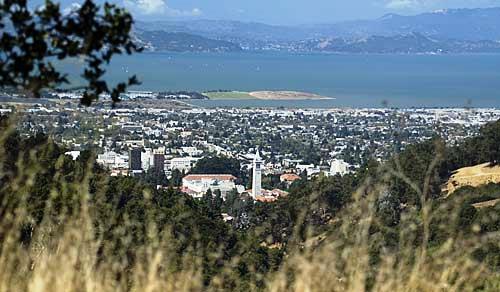 He could stare at the city and figure out his life, what to do next, as he had done many times over the years. The long bench was welcome, and he sprawled on it, pulling out his water bottle. The San Francisco skyline and the Golden Gate glistened in the encroaching mist. Berkeley dipped low and shadowy toward the shoreline.
 Nine-eleven. Zachary stood and stared at the skyline, imagining the planes attacking San Francisco as they had attacked New York. He had seen the images on television year after year, and each time was astonished that others would hate America like that, hate their freedom. Such hate and such tyranny were so opposed to the innate human desire for love and transcendence. Those terrorists chose the bestial way, the way of the jungle, the way of illiteracy and babble, the way of chaos and death.
 I came across an essay by John Horvat at the Imaginative Conservative site, called
  the work of Americans and protect their rights. We honor our workers and the contributions of each and every American to this great land of liberty. We honor work by honoring the virtue of self-discipline, responsibility, and perseverance.
 Christine Sunderland
 Christine Sunderland