
 I don’t think I ever fully appreciated, in my fifty plus years of being an Anglican Anglo-Catholic, the marvelous Pauline epistles that populate the summer Sundays. We are in the green, growing season, a long season of parables and preachings, as we learn more about how Christ Jesus commanded us to live. And in the Liturgy of the Mass, the Gospels are introduced by the Epistles, letters sent to the fledgling churches sprinkled throughout the shores of the Mediterranean during the persecutions of Christians by the Roman Empire.
To be sure, the Gospel rang true this morning, as I listened in our Berkeley chapel, as Jesus spoke of forgiveness and judging not and motes in our eyes. Still, St. Paul writes these poetic words, sung in hymns and echoing two thousand years into our present. Our Lord chose well when he appeared to Paul on the road to Damascus, for Paul was (and is) a poet. He knew how to use words and he understood the meaning of the Incarnation, the Son of God walking among us.
“I RECKON that the sufferings of this present time are not worthy to be compared with the glory which shall be revealed in us. For the earnest expectation of the creature waiteth for the manifestation of the sons of God…because the creature itself also shall be delivered from the bondage of corruption into the glorious liberty of the children of God. For we know that the whole creation groaneth and travaileth in pain together until now. And not only they, but ourselves also, which have the first fruits of the Spirit, even we ourselves groan within ourselves, waiting for the adoption, to wit, the redemption of our body.” (Romans 8:18+, BCP 194)
He is speaking of Heaven and Earth, of life and death and life again, and the resurrection of our new bodies. Our corrupted, earthly bodies which we know so well, will be “delivered from the bondage of corruption into the glorious liberty of the children of God.” That glorious liberty is something we can experience here and now, in the intimacy of the Eucharist, the joy of many voices singing as one, praising our Creator. We are free, now and forever. And we, now, having the first fruits of the Spirit granted in Baptism, groan for that day of glorious liberty when the hints and shadows that T.S. Eliot speaks of become fully realized.
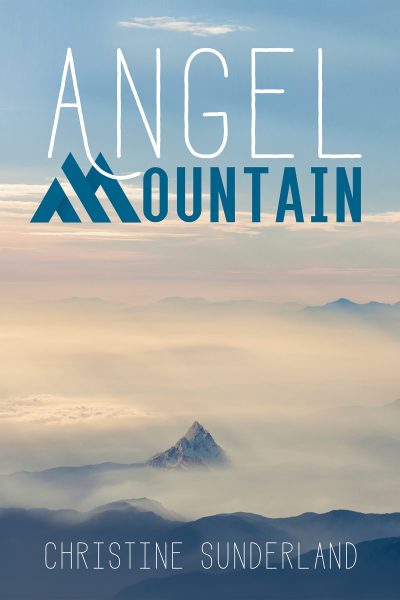
 The rim running between Earth and Heaven is a theme explored in my recent novel, Angel Mountain (Wipf and Stock, 2020), in which our hermit Abram visits Heaven (plot spoiler). He leaves his body and soars through the thin veil that separates Heaven and Earth. We too can puncture that veil, can glimpse our future if we pay attention.
 Today, there are glimpses all around me, for here in the Bay Area, the wind blew the morning fog bank back out to sea, and the sun lands like diamonds upon the silvery leaves of the olive tree in my garden. The light glances off them like blinking stars, saying, pay attention, watch and listen and wait. I also glimpse Heaven in the glorious creatures I am privileged to see, like my kitten Angel with her huge fluffy golden tail, a tail beyond measure. Then there are the rapt faces of my fellow worshipers in the chapel this morning, the sense of renewal and the sighs of relief that we can once again worship together, mask free, even singing! I could go on and on. Once I start looking, I begin seeing, and the groaning within isn’t as loud, as I wait for the adoption of my body into God’s glorious liberty.
Fernando Ortega, Christian composer and songwriter, describes the Second Coming of Christ in his song, “Beyond the Sky.” He says that God will “fill the skies.” In his song, “Creation”, he writes, “He wraps himself in light as with a garland, spreads out the heavens, walks on the wings of the wind.”
We live in a fallen world that seems to be falling farther and faster each day. And yet believers hold it together, like a garland wrapped around Earth, a garland of love and praise. For we know the groaning of our corruptible bodies, which began to die with their birth, will be no more. Our bodies will be made incorruptible by the one who created us in the beginning.
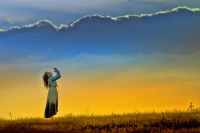 And in this fallen world we are given glimpses of future wonders. We are given the Church, Christ’s Body, to nurture us in this mean-time, to catch us when we fall and set us upon the right path again. For Christ lives, here, in our own time, in us and outside us, in the Bread and the Wine, as we wait for our manifestation as sons and daughters of God.
In the meantime I will work on the mote(s) in my eye. As Christ commanded, I will give, good measure, pressed down, and shaken together, and running over. Then, perhaps, the mote will be gone, and my blindness turned into sight. Glorious, glorious, sight. Glorious, glorious liberty.
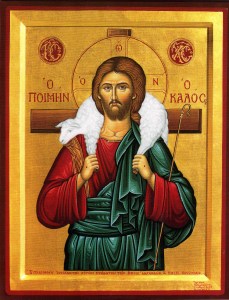 It is also Good Shepherd Sunday, when the Gospel tells of the telling by Jesus of the parable of the good shepherd who finds his lost sheep and rejoices. (Luke 15+) In other scripture we learn the shepherd knows his sheep and the sheep know his voice. The shepherd is a father to his sheep. He protects his children.
 As I drove to our Berkeley chapel this morning I considered that I had at least a year of eucharists to make up. The bread and the wine, changed into the Real Presence of Christ, nourishes us as no other. I missed the sacred elements feeding both my body and my soul. I took part via screens, singing and praying, but I missed the Holy Eucharist, the presence of the Real Presence.
 And across this land the fathers who are truly fathers will encourage, give courage, to their children. They will protect them from the world. They will shepherd them, and send them into the world with the shield of salvation, speaking truth to lies, good to evil, peace to war.
 Lockdowns, we are told by the State of California, will be lifted on Tuesday, June 15. But I fear the fear remains locked into many hearts, a place where it has found a home, fed by fear and led by fear. The lockdowns have robbed us of time, talent, and treasure, have isolated us from family and parish, have done incredible harm to each one of us.
 Our preacher preached on the wedding feast parable and all the excuses that are made not to come to the feast. I recommend tuning in to the tape still on
 Flag Day, tomorrow, June 14, is often neglected. The flag, with its increasing number of stars over the years, reminds us that we are Americans, a union of many peoples and states and tribes. Our differences, the flag says, are our glories. Our unique populations from all over the planet, have chosen this land, this nation, in which to live and in which to love. The many differences we see all around us are why we are the envy of the world. For we are called by symbol and song, and story too, to love one another, to celebrate our human worth.
 We have embarked upon Trinity Season in the Church Year. It is a season marked by love, the love of God as embodied in the Holy Trinity between the three persons of God and the love of God for us as his created own. It is a long season, lasting through most of November to Advent and the new Church Year beginning again. It is a “green” season, in terms of the Kalendar, and is a growing-in-the-faith season, as we follow the teachings of Jesus, Son of God, as he walked among us. It is a love season and it is a growing season and we realize we cannot grow without God’s love moving among us, and we cannot love without God’s creative growing, his reaching to touch us and our reaching to touch him.
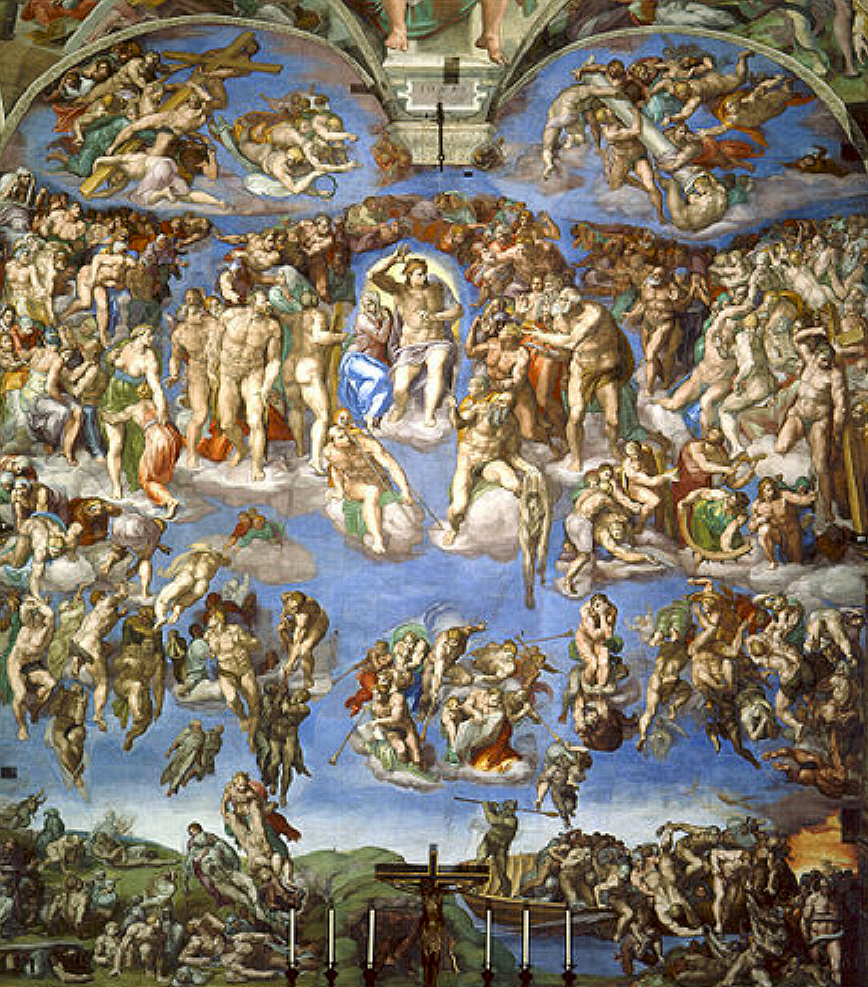 Every year when we hear this parable read and interpreted from the pulpit, I sense the congregation squirm, as if they hoped the poetic Epistle would be the text for the sermon (St. John on love) rather than this uncomfortable story told by the Son of God which seems to condemn riches. And Christians believe in a final and personal judgment, which includes judgment of the heart. I have heard many interpretations of this parable, some more symbolic than others, but the underlying image is too forceful to be ignored, sores and dogs and all. We are, indeed, commanded to love, as St. John says in the Epistle. And how do we love? We love our fellow man. And hence the social gospel, to feed the hungry and clothe the naked. John writes,
 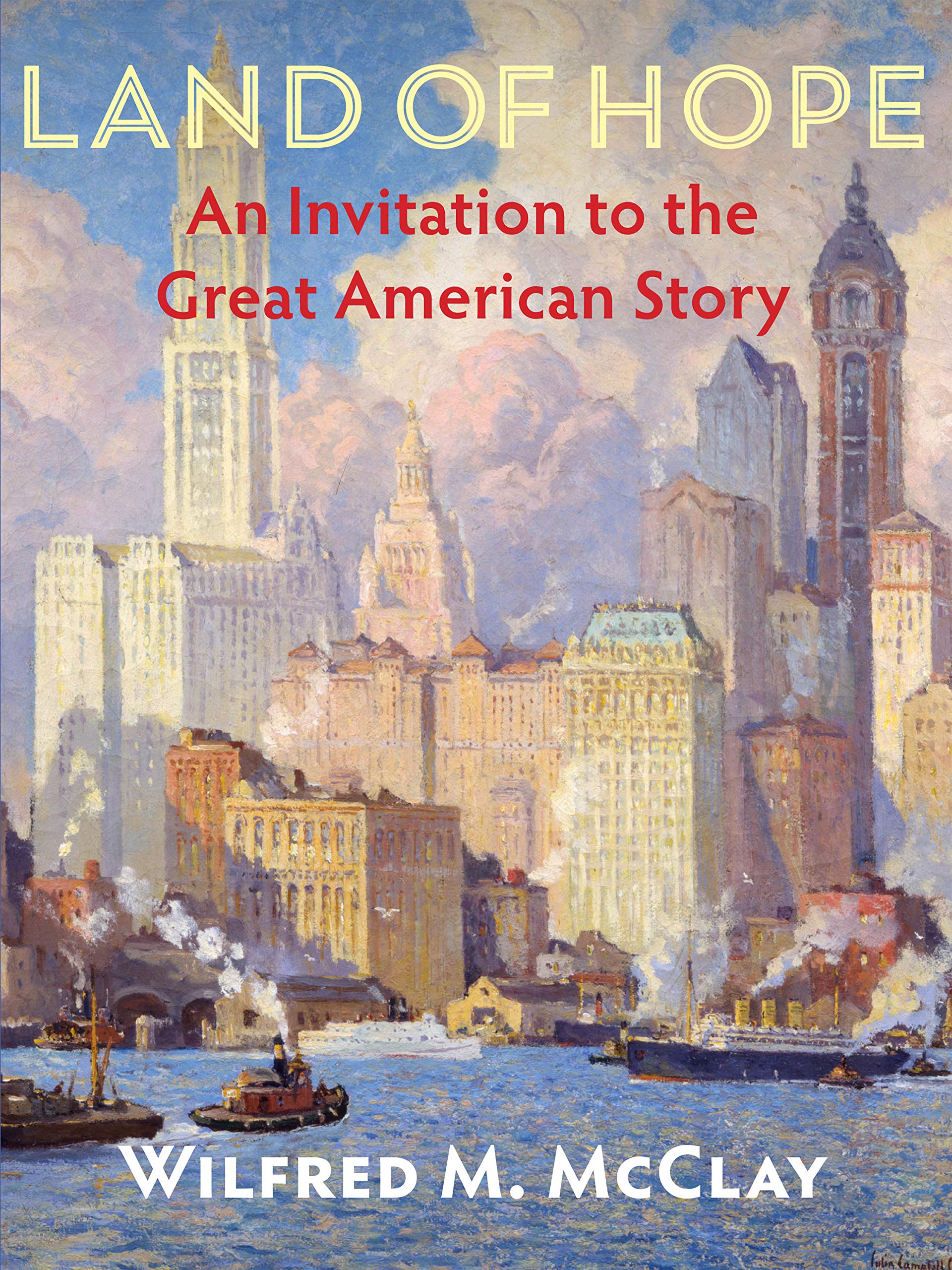 I have been revisiting the history of our nation in the
  This intersection informs the setting my recent novel,
  Over the last fifteen months the American people have been masked, muffled, silenced, frightened, bullied, manipulated, and cancelled. We have died a thousand deaths, deaths to freedom, to faith, to family, to children, to the aged, to human dignity and the sanctity of life. We have been publicly shamed and privately imprisoned. We have been ordered to stop singing, stop speaking, stop shaking hands. We have watched loved ones die alone. We have been ordered to abandon funeral gatherings to mourn together and comfort one another. We have been banned from church and temple. We have been prodded and pushed and pricked, catalogued and analyzed and researched. We have been turned into numbers for data, both real and unreal, both true and false. We have been lied to by leaders we trust and our trust is broken along with our hearts. We have been used, and the users should be ashamed.
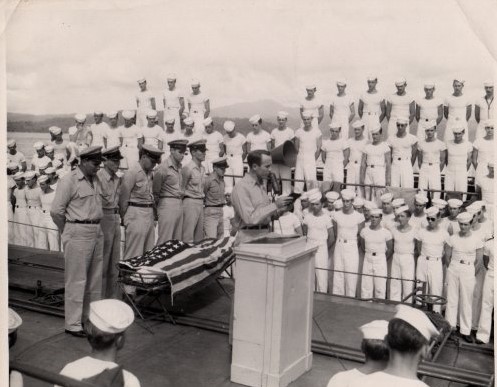 We have not fought and died in a war, as heroes did in Europe and Guam, but we have stood our ground. We have survived one of the greatest attacks on Western Civilization in history. We have watched our cities burn and our businesses vandalized. We have been denied police protection. We have been called names unrepeatable in civilized society, judged irredeemable and deplorable. We have been derided and defamed by Machiavellian might, by elites, corporations, tech, media, academia, and the deep state. We are American heroes.
 We are reminded that sorrow and joy go together, as do suffering and love. They are intertwined, for they tell the truth about the human condition, the common experience of mankind – life and death and life again. The flag reminds us of our country and all that freedom means. The white cross reminds us that the hand of God is upon us and we need not be afraid. The Son of God, the humble preacher from Nazareth, who suffered and died, rose to life, for us. These fallen heroes who protected us, kept our country and way of life safe and sacred, today sing praises to God the Father, God the Son, and God the Holy Spirit, before his throne, before the glassy sea, alongside the River of Life. They glance to Earth and see us mourn. They see
  our love. They say, no more tears. We are saved by the white cross washed by the blood of the Lamb of God. We are singing, Holy Holy Holy, Lord God of Hosts!
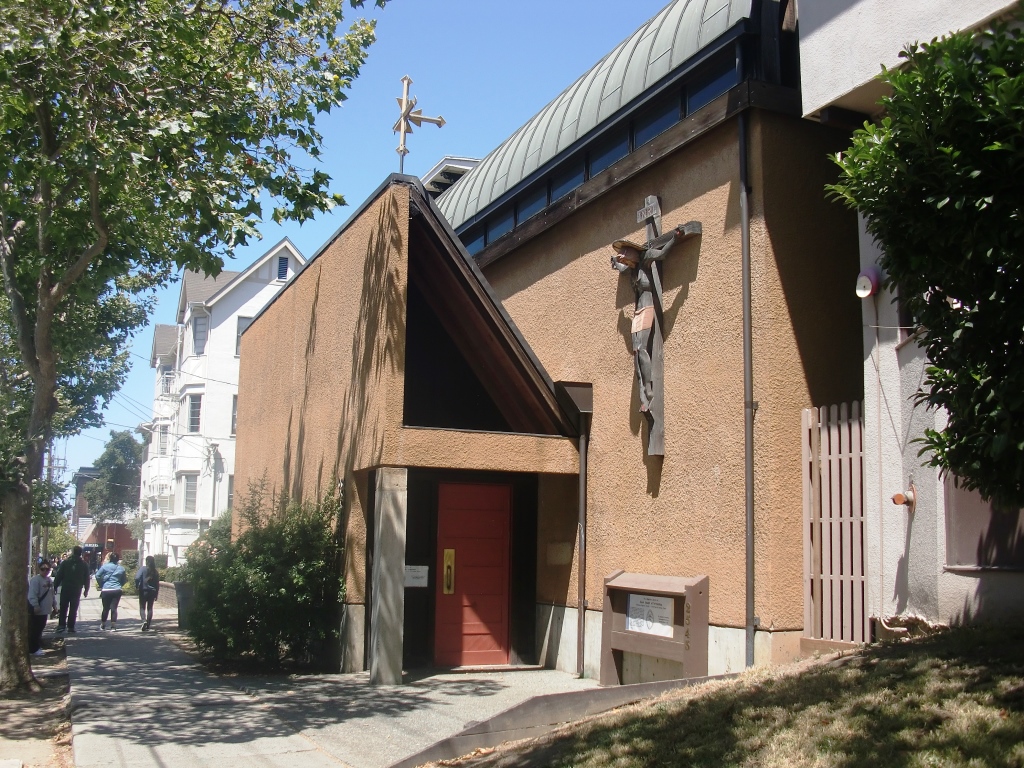 We attended
  I particularly appreciated the chapter on Andrew Jackson, a hero in the War of 1812, elected in spite of his rougher qualities. His victory against the British at New Orleans helped him gain the Presidency in 1824. He championed the average citizen, regardless of education and class, saying they have practical wisdom and should be allowed to vote, hence the term “Jacksonian democracy.” Many compared Donald Trump to Jackson, and I can see why. One could also compare Dwight Eisenhower to Jackson, since the general was elected after his leadership in World War II. And did you know that “The Star Spangled Banner” was written in the War of 1812, as Francis Scott Keys glimpsed from his ship the flag of victory raised over Fort McHenry, Maryland, after the fort was bombarded by the British? (seen in the painting above)
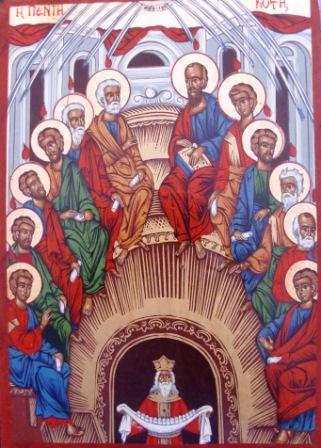 And so today is Whitsunday or Pentecost, the great celebration of the descent of the Holy Spirit upon the disciples in Jerusalem. The disciples were troubled too, their Lord having ascended to Heaven. But on this day the fire of the Holy Spirit, like a rushing wind, came upon them, giving them the ability to speak in many languages, to witness to the many ethnicities in Jerusalem at that time, to tell of the marvelous works of God in Christ, the salvation of mankind.
 The mystery of life is the mystery of death and life again. We cannot live a life of meaning without facing our own death. Someone once said that our death begins with our birth, or one could say more accurately, with our conception. We grow but we also decline, and all of time is held in our palm, or perhaps God’s palm. Can we hold on to time? For how long?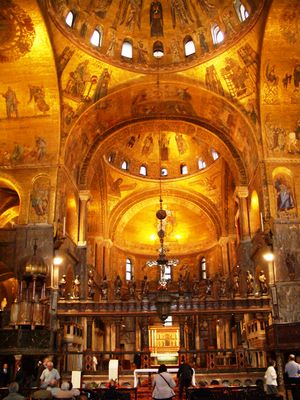
 Individuals being part of a group is an American foundation. America was founded on Judeo-Christian assumptions, this anachronistic teetering between individuals and groups, between freedom and common rule. She is built upon Christian precepts. The question today is whether the precepts, this delicate and vital balance between tribe and member, tribe and nation, can effect a peaceful society without Judeo-Christian belief. Put another way, can freedom and common consent survive without assent to outside authority, i.e. in this case, the Judeo-Christian God? Can human dignity and the sanctity of human life be protected without belief in the Creator?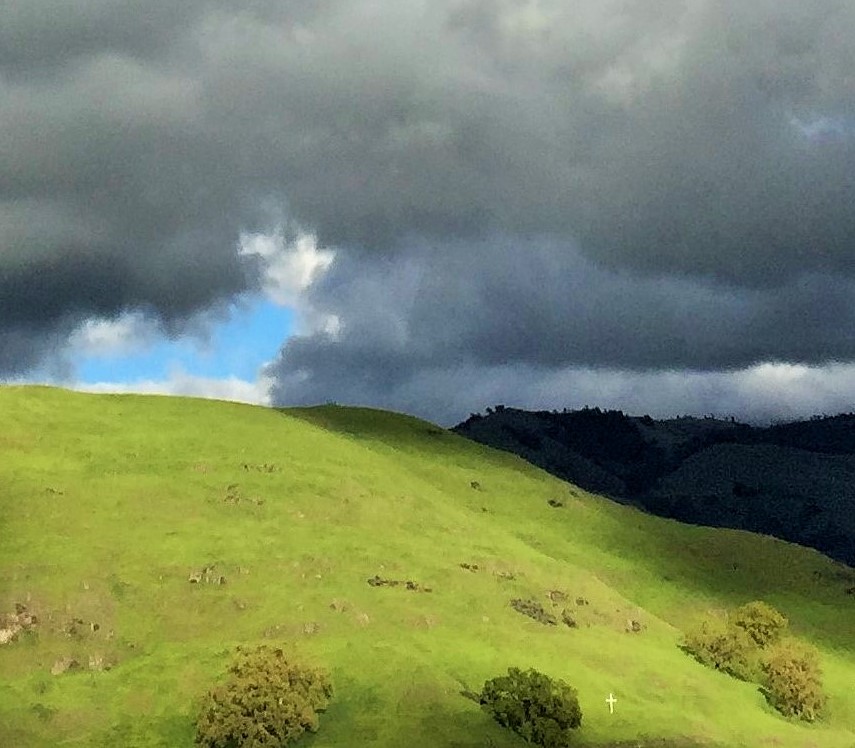
 Rogation means asking and Rogation Sunday was traditionally a time when folks asked for God to bless their harvest. The seeds were in the ground and sprouting. By the end of summer, crops would be ripe for harvesting. So too, a mother gives birth to life at the end of a time of protected gestation, pregnancy, within her body, fed by her blood. So we ask God’s blessing on mothers today, an especially poignant timing, a time when Rogation coincides with Mother’s Day.
 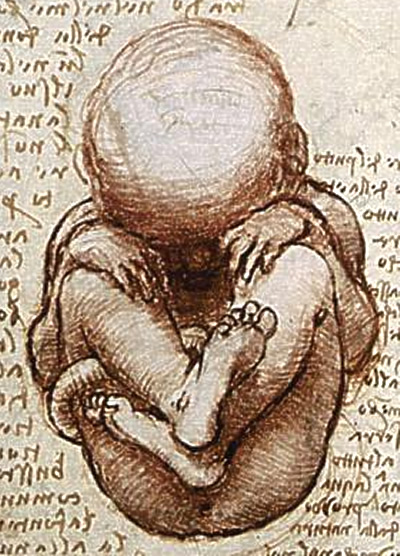 And we ask for God’s blessing on the crops, on the seeds and the newborn, those who were chosen and given life. We ask that God forgive our nation and its great apostasy in the killing of the unborn, the seed denied a chance to mature and live. It is a great evil, a great lie, that this is somehow freedom. For such denial of life is slavery, slavery to self, slavery to desire.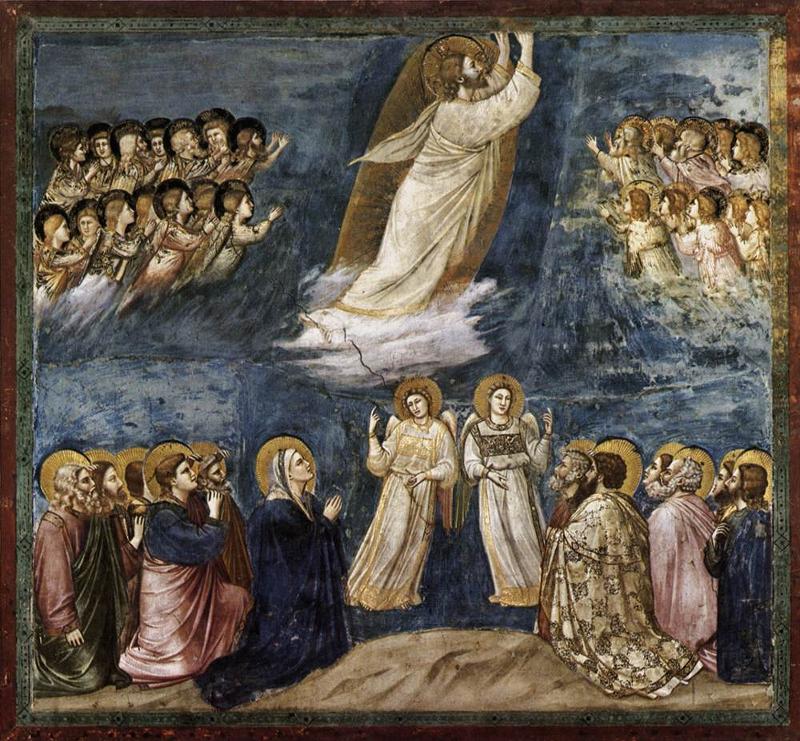
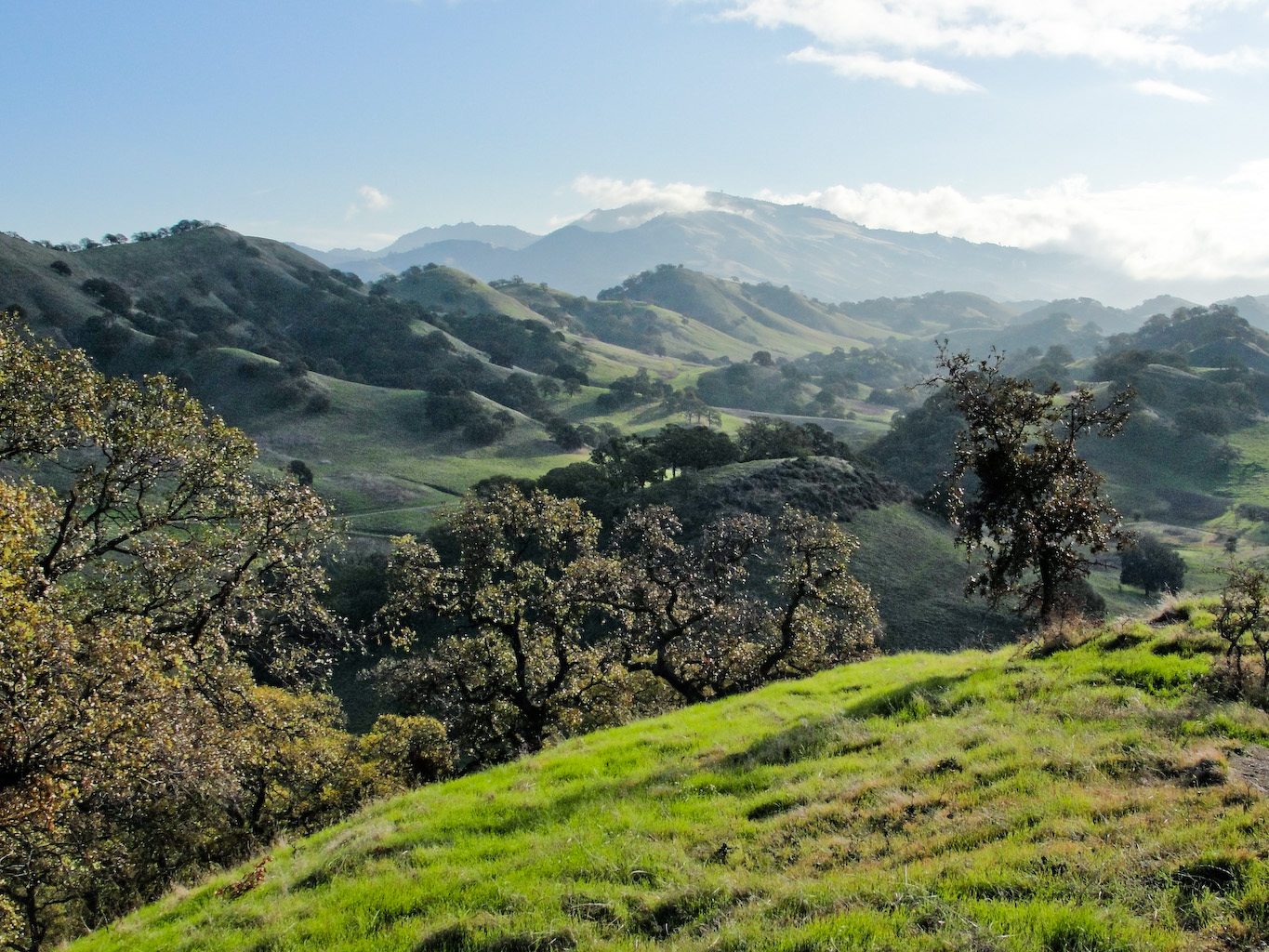
 It seems at times, that time stands still, in this weary world of Chinese Flu, extreme lockdowns, and punishing masks. For children, the costs are horrific and ongoing here in California. For young adults, suicides are on the rise. For the rest of us, fear hovers and shades our every move, every social gathering, every event. We wonder if freedom is bound and captive, if speech is silenced, if elections are rigged, if justice is bribed or threatened, if truth is honored, if reality is real. We wonder if America is imploding, if churches will go underground.
 Today, Sunday, was especially blessed, and I was made especially glad. For from the dark jungle of the week’s rioting and untruths, I entered a space of peace and truth.
 Knowing that we are a part of the Body of Christ, branches of the vine going back two thousand years and living today, gives us hope that we need not carry the world upon our shoulders. And yet, if we do not abide in Christ, if we are not a branch of His Vine, manifested in the Church, we will not bear fruit and we will be lost.
 And so we pray and we praise and we read our Scripture. We open our eyes and our ears and bear fruit for Our Lord. We call upon Him to lead us in all truth, in all love, with His vision in our hearts and souls, always remembering we are branches of His vine. He is our life. We need only look to Him first in all things.
 Christine Sunderland
