
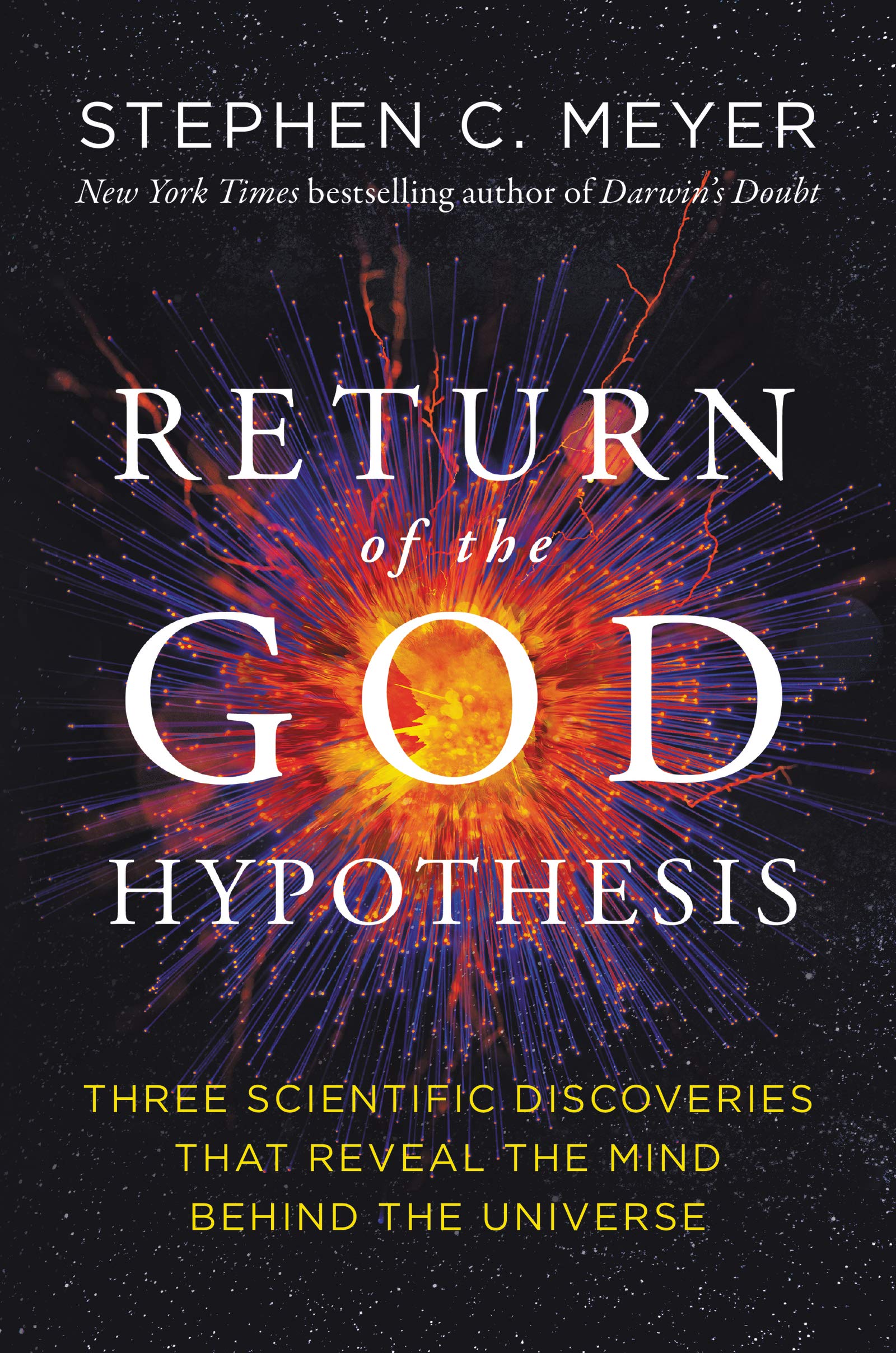
 It is a curious thing, just as the world as we know it appears to be collapsing, just as the materialist-atheist worldview appears to have triumphed and the Judeo-Christian worldview appears to have vanished, just as objective truth has been banished by Oregon’s schools and math thrown out as racist, just as the wisdom of centuries is stamped down and trodden upon with some kind of diabolic glee – just as all these signs and many more point to Armageddon or the end of the world or simply a second civil war in the Dis-united States, Steven C. Meyer brings us another brilliant book to argue the opposite, reminding us that science points to an Intelligent Designer behind all creation.
And just as you, dear reader, thought the above sentence would never end, so we smile with renewed hope in the future of mankind. Good news, indeed!
 Having finished off Ben Shapiro’s excellent The Authoritarian Moment (well worth the read with copious notetaking), I ordered Steven C. Meyer’s Return of the God Hypothesis.
 As I await delivery (old school print), I am returning to Sohrab Ahmari’s The Unbroken Thread: Discovering the Wisdom of Tradition in an Age of Chaos. His immigrant story sheds light on the disappointment many of today’s immigrants share when they see America as no longer celebrating tradition and freedom, no longer proud to be a beacon on a hill, but instead heading toward the tyranny these immigrants were escaping.
 In my growing stack of “research for the next novel, immigration theme” I am also looking forward to Prey: Immigration, Islam, and the Erosion of Women’s Rights by Ayaan Hirsi Ali. She is a vital witness to the true effect of militant Islam in the world, the silencing of women, gays, Jews, Christians, and peaceful Muslims, in obedience to sharia law.
Returning to The Return of the God Hypothesis, Steven Meyer’s work at the Discovery Institute in Seattle was part of my research for my most recent novel, Angel Mountain (Wipf and Stock, 2020). He and others built upon the work of Phillip E. Johnson of UC Berkeley, considered the “Father of Intelligent Design.” They considered whether recent scientific discoveries in genetics and the universe might throw a new light on Darwin’s theory of evolution. I found this fascinating, that science was actually supporting the idea that faith might be on the right track after all. All those monks peering at the stars from their abbey domes were right or could have been. Who knew?
And so we have the idea of an Intelligent Designer as a possibility, and the hypothesis of the reality of God, for Darwin’s theory is not enough, given what science has learned in the last twenty years, particularly the intricacy of creation and the finetuning of our universe to a vastly improbable degree. Eric Metaxas, among others, provides a simple summary of these arguments in his book, Miracles.
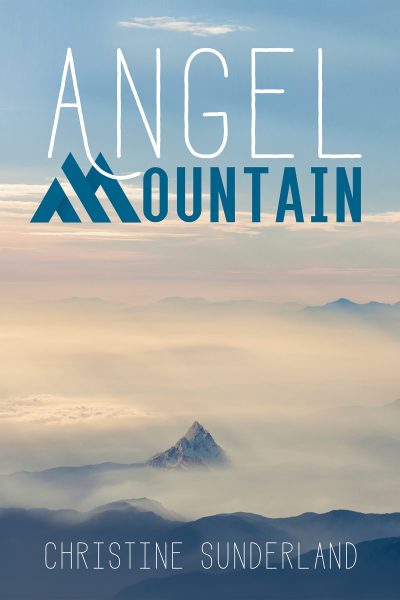 In my novel, Angel Mountain, one of my characters is a geneticist who, when he speaks truth to power at UC Berkeley, is pushed into an early sabbatical by the woke powers that be. In this excerpt, Dr. Gregory Worthington, 37, our geneticist, walks a trail on Angel Mountain with Catherine Nelson, 33, a UC librarian, and explains a bit about what these discoveries entail:
“I believe Heaven is real,” Gregory said, feeling brave.
Catherine eyed him seriously. “Why do you believe it?”
She is direct, he thought. “It’s been a long journey.”
“Tell me the short version,” she said.
Were her eyes teasing or challenging or doubting? A little of all three, Gregory decided. “I’m a scientist. I saw faith as something out there for some people, but why bother? I was raised a Christian, but somehow I hadn’t met Christ along the way.” That was pretty honest, he thought. He even surprised himself. “As Abram said about his own conversion.”
“Go on.”
“In my studies of the genome and genetics, and my Stanford residency, I began asking meaningful questions, and finally connecting the dots, as it were. The intricacy and creativity and brilliance of our physical world reflected an Intelligence, a designer, and one thing led to another.”
“But doesn’t science explain our world? With evolution? We don’t need God anymore. We don’t need a religious explanation.”
“That’s the amazing part. Over the last few years, science has been effectively presenting a case for the existence of God.”
Catherine looked thoughtful. “I thought it was a matter of faith, of belief, rather than scientific observation, data, and conclusions.”
“Things have changed. In 1966, around the time of the ‘God is Dead’ movement, the astronomer Carl Sagan claimed two conditions were needed to support life on a planet. Without these two requirements, life could not exist. The first requirement was the correct star and the second was the perfect distance from that star. Calculations showed, based on this hypothesis, there were over a septillion planets that could support life, planets that had the perfect star at the perfect distance.”
“I’ve never heard this, but then I took a minimum of science, and no astronomy.”
“Science has made many more discoveries since 1966. But the announcement was exciting in the sixties, and it gave rise to all the space travel movies. There was a natural curiosity about aliens and life on other planets.”
Catherine grinned. “Star Wars, Star Trek, ET, that kind of thing.”
“Exactly. But science made new discoveries that never really made their way into the popular imagination, and people got stuck in that mindset that there is life out there. In that sense, they haven’t kept up with science.”
“What discoveries? Did they prove life couldn’t exist on other planets?”
“Pretty much. Well-funded programs under the umbrella ‘Search for Extraterrestrial Intelligence’—SETI—tried to identify life in the universe by tracking signals through radio telescopic networks. Nothing. Silence. Congress defunded the program in 1993 but private donors continued to search for life in the universe.”
Catherine shook her head. “Let me guess. Nothing still?”
“Right. As of 2014, nothing.” “What happened then?” “Sagan’s requirements for life multiplied over the intervening years, way beyond two, which made the results more logical. Fewer and fewer planets met the increasing number of requisites discovered by science.”
“How many planets today can support life? What did they come up with?” “Actually, none.” “None except for Earth?” “No, including Earth.”
Gregory watched Catherine’s face. She wasn’t laughing at him. She wasn’t rolling her eyes. She seemed genuinely interested in his statement that it was impossible for planet Earth to support life, at least according to the math probabilities and life’s necessary requirements.
“But—” Catherine shook her head in disbelief, at a loss for words to express her doubt. But she still seemed to take him seriously. She hadn’t written him off completely. She was listening.
“Here we are,” Gregory said. “We are life. Sitting under an oak on the side of Angel Mountain watching the incredible tule fog move through the valleys toward the coast. We are here—we are life—so how did this happen?”
“Go on.” Did Catherine sound intrigued or sarcastic? He wasn’t sure if she believed him.
“The latest data show that there are over two hundred requirements for a planet to support life. Each one must be met or else life cannot exist on planet Earth. For example, near to us, planet Jupiter has a gravity pull strong enough to divert asteroids away from Earth. It is clear—at least to this scientist—that the creation of life forms was not random but finely tuned. Extremely finely tuned.”
“What about the creation of the universe? Wasn’t that a result of the Big Bang? An explosion? Not God at all.” She gestured to the broad landscape that reached to the horizon and the endless sky.
“Fine-tuning again. The universe was fine-tuned immediately after the Big Bang, which also had to have a cause in itself, as Aquinas argued. Today, astrophysicists claim there were four forces that needed to be fine-tuned and need to be continuously fine-tuned. If they had not been finely tuned, for example, no stars would exist. The odds are gigantic against the universe forming accidentally from an explosion, any explosion. The odds are something like ten quintillion to one.”
“That’s all encouraging, isn’t it? Seems like meaning and purpose are now scientifically proven.”
“Certainly in terms of probabilities, statistics. Many atheist scientists—the honest ones—have admitted that some kind of Intelligence had to be behind the creation of the universe.”
“It doesn’t seem to make the news.”
“The general public is about twenty years behind. Also, belief in God isn’t popular, considered too constraining in terms of ethics and behavior. The natural conclusion—not a great leap—is to identify this intelligent Creator as the God of Jews, Christians, and Muslims. All three religions make clear moral demands on our lives. All three proclaim a law. All three predict a day of Judgment.”
“So what you’re saying is that faith and science support one another.”
Gregory nodded as they returned to the path. “They do. Absolutely.” He grew thoughtful. “You’re a better audience than my last one.”
Sunderland, Christine. Angel Mountain (pp. 181-184). Resource Publications, an Imprint of Wipf and Stock Publishers. Kindle Edition.
I’m looking forward to Steven Meyer’s book, which should find its way into some of the themes in my next novel, Return to Angel Mountain, working title. The subject is fascinating, particularly at this moment in history when chaos does indeed seem to be engulfing America. The Judeo-Christian belief in a loving God, now supported by science, is literally our saving grace, our path forward, our way to love as Christ loved and as we are taught (indeed, commanded) to love by this loving God.
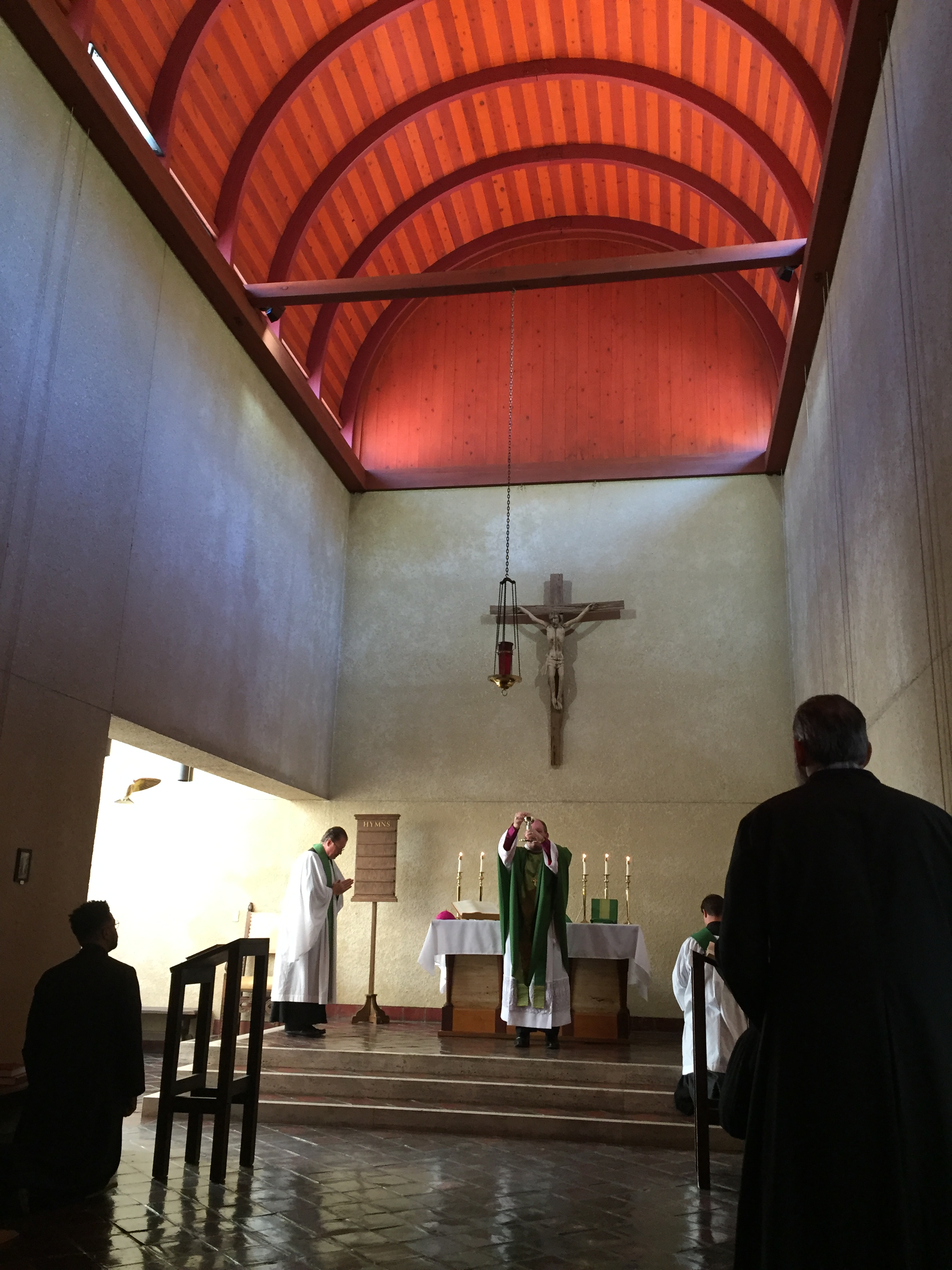
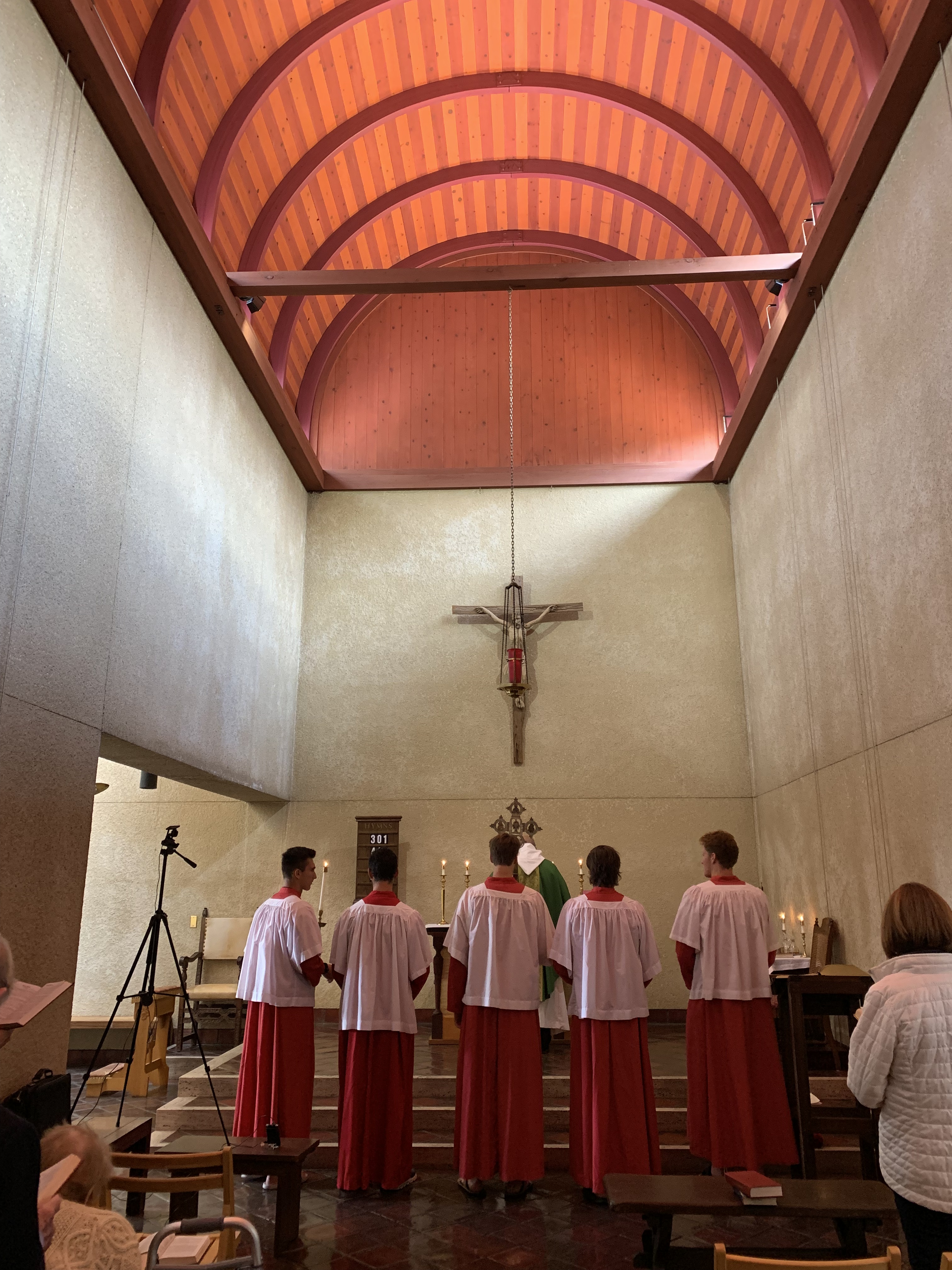 I was glad this morning to see all well at our Berkeley Chapel. Our streaming online was set to start, and the hymns listed on the hymn board were some of my favorites. The organist was playing a piece that filled the space with joy as we awaited the dramatic procession in from outside. Five of the 14 Cal Rowing Crew who are residents on the property would be assisting our Dean of Seminary, Fr. Napier, and as all the pieces of the hour fell into place, I sighed my thanksgivings: thanksgivings for the place, the people, the freedom to worship in this holy chapel, unique and precious.
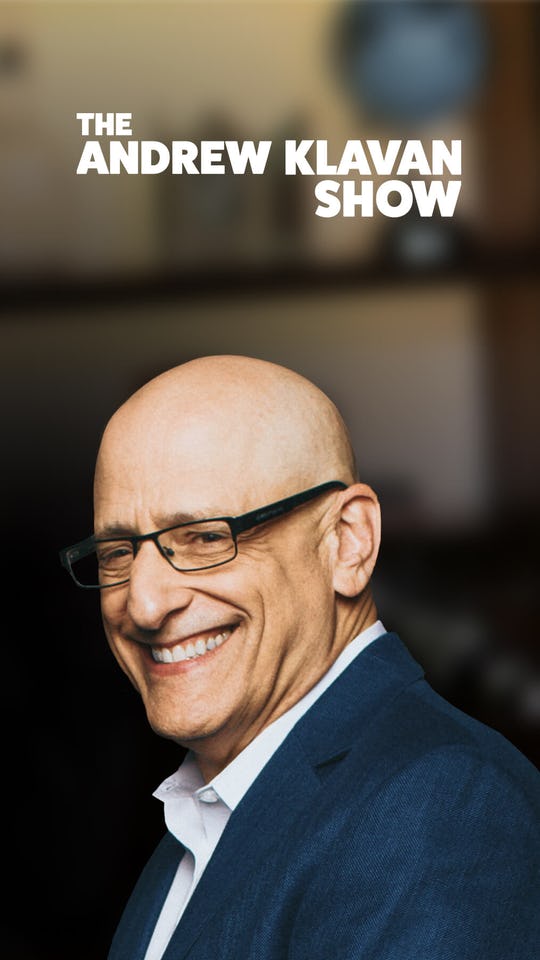 One of my favorite podcasts is Andrew Klavan on
 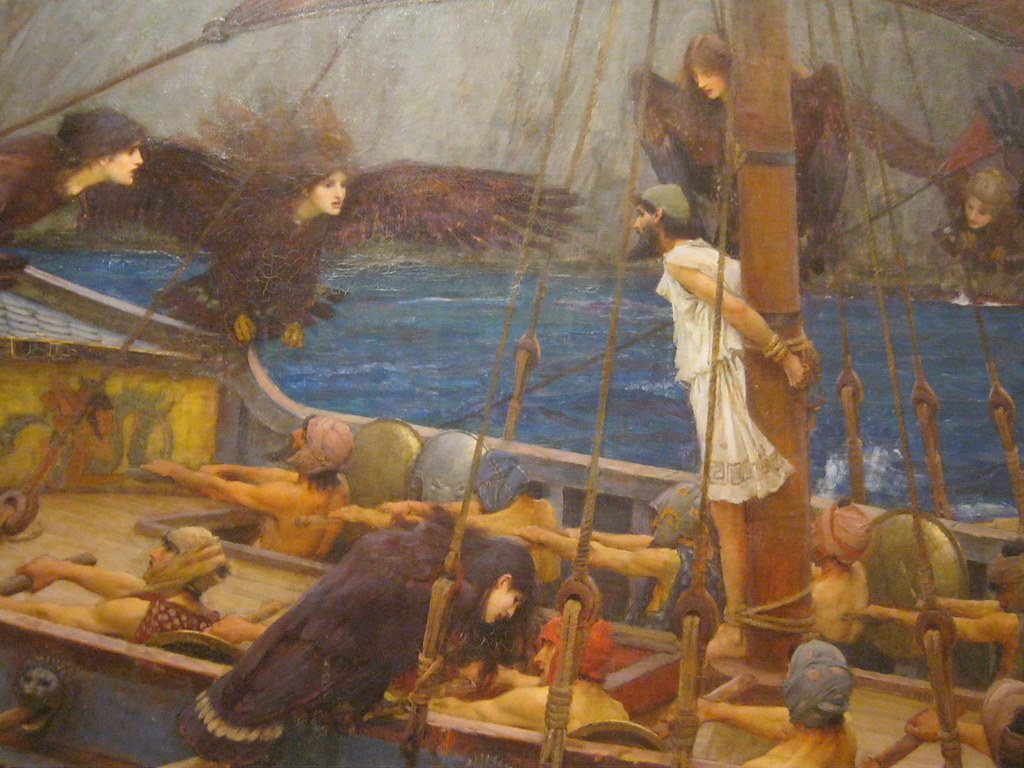 I read recently that Homer’s Odyssey had been cancelled for some woke reason as part of a high school curriculum. One of the striking images in this classical work is the image of Odysseus tied to the mast of a ship, his ears plugged, in an effort to not listen to the sirens calling him from a distant shore. As I recall (and it must have been over fifty years ago that I read it) they are tempting him away from is purpose, sailing true and straight for home. And so we have the siren songs of today – the many distractions, some serious, some silly, that call us away from using our time well, away from the way we should be going, sailing straight and true for heaven. They are false alarms in the truest sense.
 I’ve been thinking how time layers us with its seconds, minutes, and hours. As we journey through this pilgrimage of time on earth we are layered with our choices, our loves, our sins, our virtues. Each one of us is unique and uniquely loved by God our creator. Each one of us is a fine painting, a charming concerto, a sculpture carved in the image of God. Each one of us is a one-of-a-kind work of art.
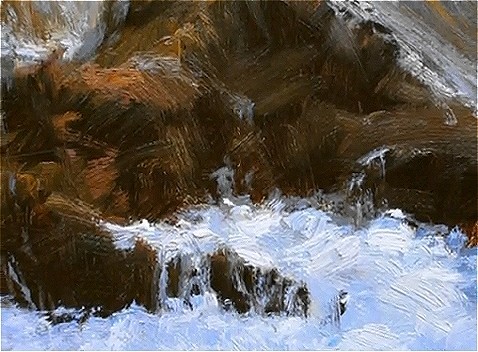 And so I am a slightly different person each day, as another brushstroke has defined the texture of my canvas. I know more than I did, and this knowledge adds to my daily growth.
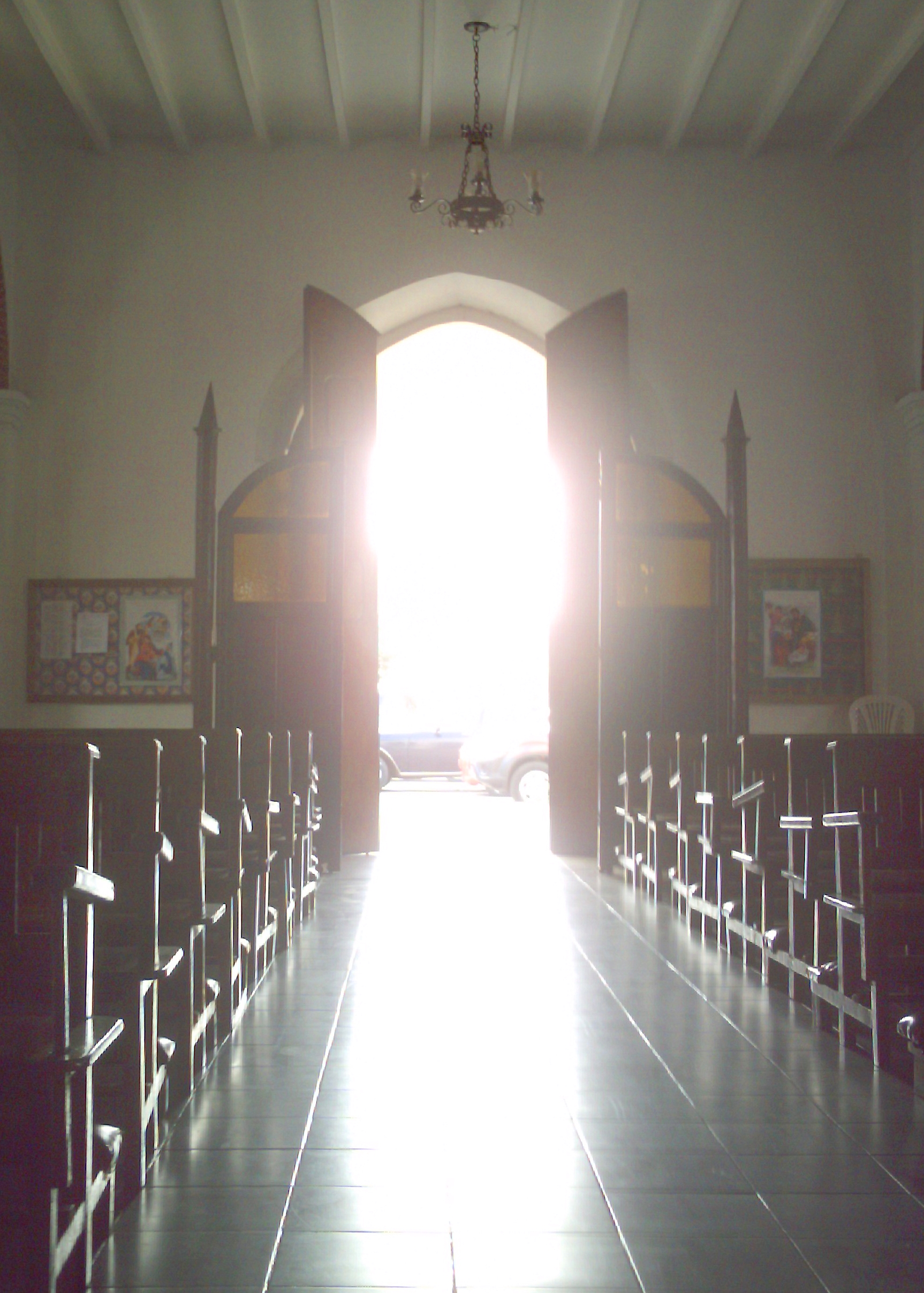 The Church opens a door to that journey of joy. It opens the door onto the porch outside, onto the sidewalk, saying, come and see, come and see… Come and be painted by the Master of Creation. The Church opens the door to the tabernacle, the Holy of Holies, saying, come and be fed by the Master of Life. With these layers, these brush strokes upon our souls, we open our hearts to one another. We join together, layered by Christ, brothers and sisters, the parish family.
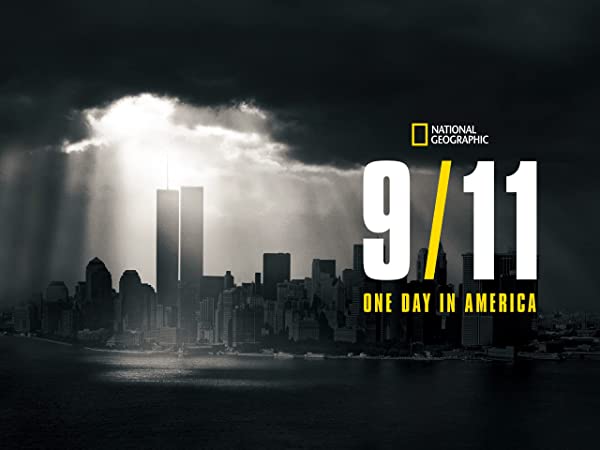 Anniversaries of past events serve our memory, for good or for ill. Some are recurring celebrations: birthdays, weddings, graduations. Some are firsts: first word, first tooth, first concert, first kiss, first…. And some are recurring memorials of past tragedies or sorrows: Pearl Harbor, terrorist attacks, Nine-Eleven. We remember these annual events so that we will not forget.
 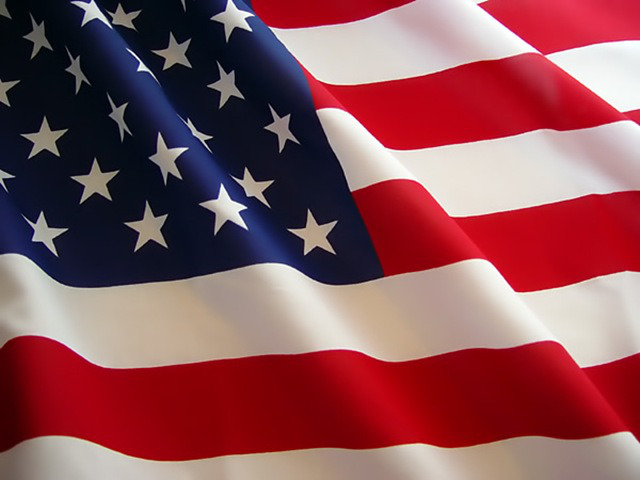 Where was I on Nine-Eleven when the first reports came through on the television? I was at home, and I saw the newscast as we made breakfast, for 8:45 a.m. in New York City is 5:45 a.m. in the San Francisco Bay Area. We were stunned, as was the nation, and then we feared we were now at war once again.
 This seems to be happening all over again as we shamefully exit Afghanistan and defund not only our police but our military. We are ripe for another attack upon our soil. What will it take for us to truly wake up and not just be woke? Or, when will the woke awake? The pandemic has diverted our attention and nearly blinded us to reality. We live in a fallen world, and while many hold utopian visions of the goodness of all mankind, these visions are not rooted in reality. America alone offers freedom to the world. Other Western nations have become too weak to offer anything but dreams and platitudes. Soon America will be too weak as well. The Taliban et al do not desire to have a seat in the world order of united nations. This is not their goal. They want a world theocracy governed by Sharia law.
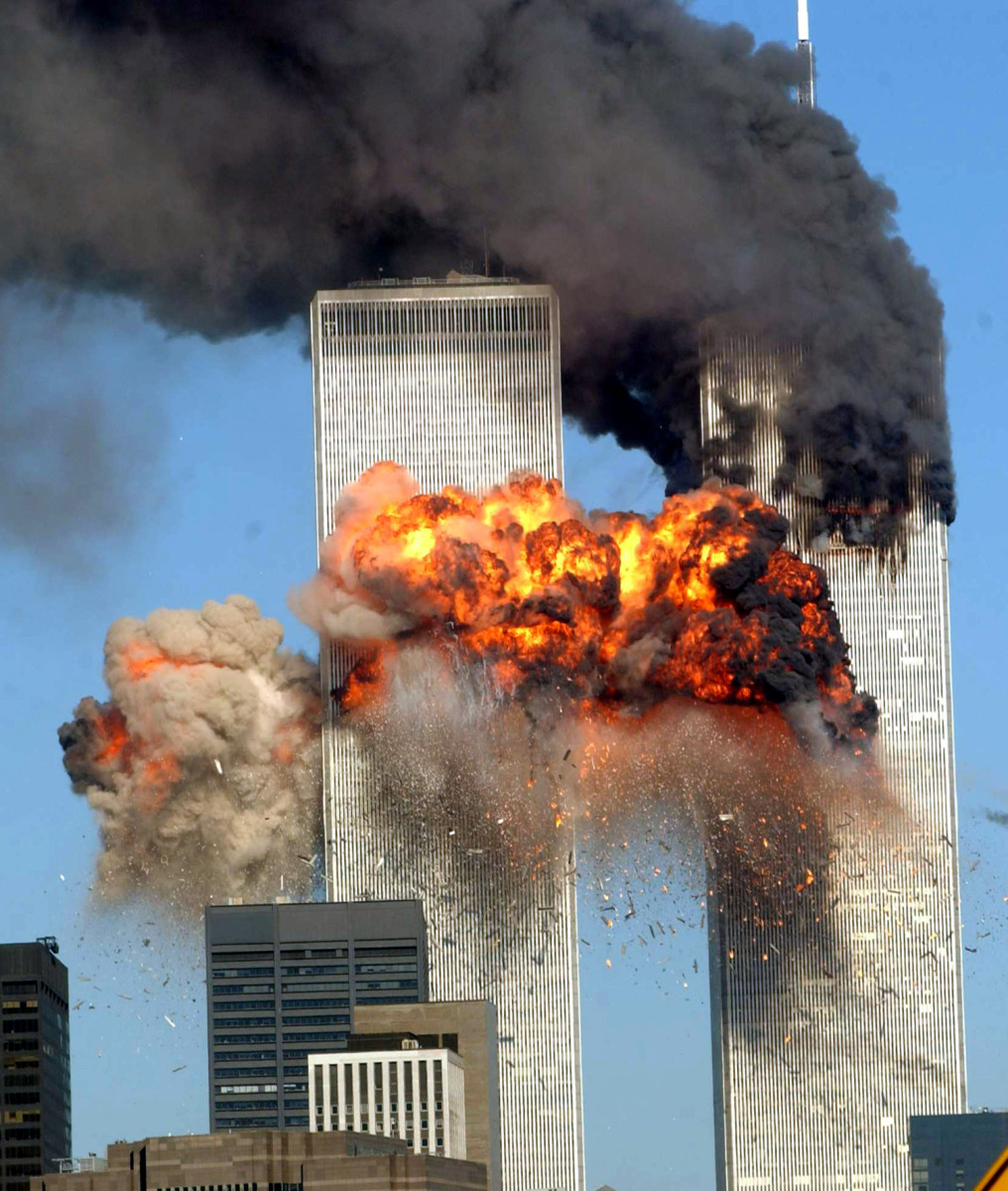
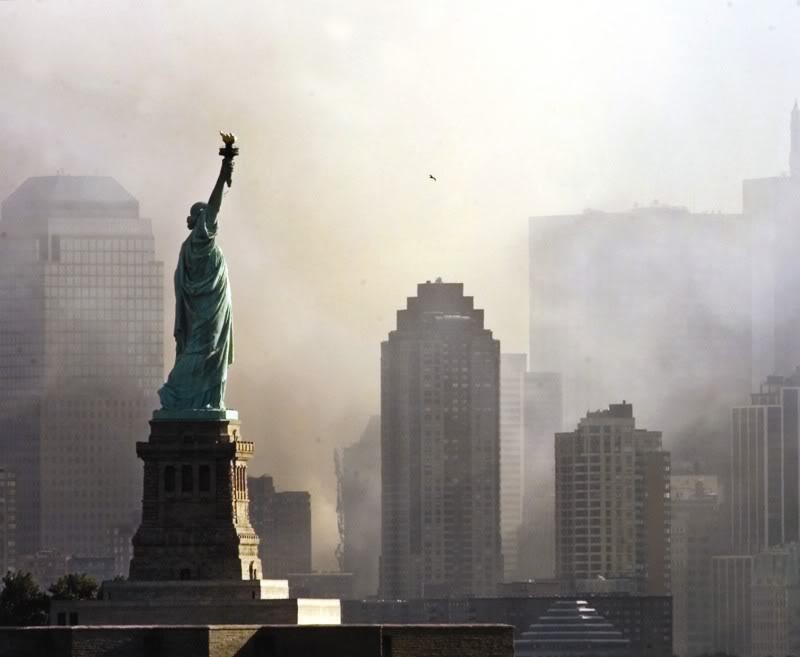
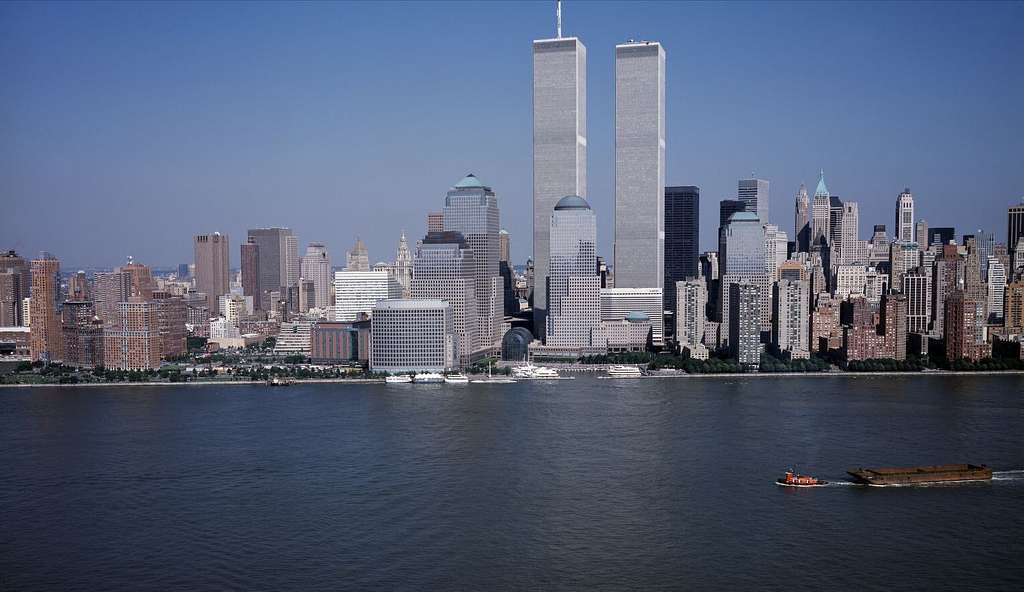
 With the images of the planes hitting the towers, of the explosions and black smoke billowing into the crystal blue sky over Manhattan, of the people jumping to their deaths to avoid burning, of the collapse of the tower into a giant heap of ash and rubble that ate the air of Lower Manhattan, home of world trade and finance – with these horrific images running through my memory – I was glad to spend a few hours in our Berkeley chapel this morning. I was glad to sing and pray together with my brothers and sisters. I was glad to let the thundering organ notes pour over me, fortifying me. I was glad to hear the Gospel lesson about the lilies of the field that neither sow nor reap, and that our Heavenly Father cares for them. I was glad to be reminded not to worry too much about tomorrow. And of course Our Lord was not saying to sleep through the days but to be heartened, for in the end, all things will work to the glory of God. We still need to be perfect, still need to repent, and still need to learn better ways of loving one another. We still need to be faithful, watching and vigilant.
 On that same Thursday, about the time that Zachary Aguilar began his run and Anna Aguilar made tea, Jessica Thierry decided she would not return Zachary’s calls from Monday, Tuesday, and Wednesday. She wanted to concentrate on her thesis, and she set to work. She spread out her papers and photos on the counter. She turned on her laptop and checked the national news.
 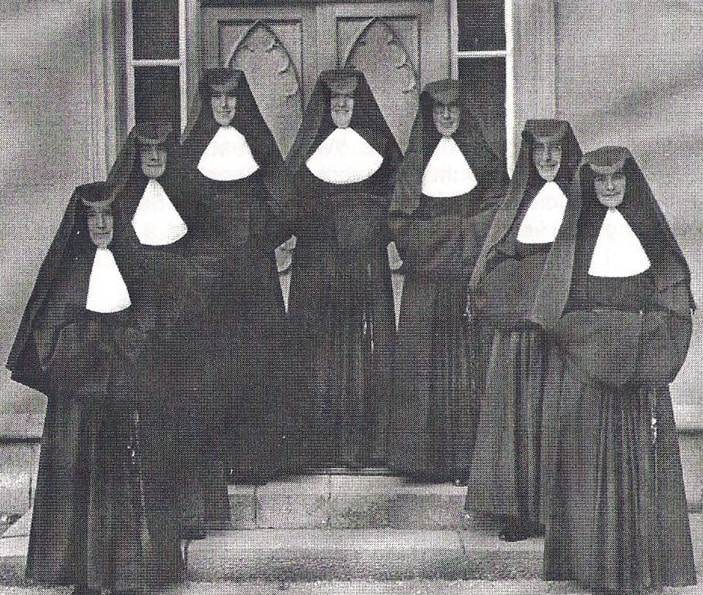 The presence of religious institutions in the late nineteenth century were key to the development of the city of Berkeley, and thus give good reason for government support today. I shall argue this through examination of the work of the Presentation Sisters in the nineteenth and twentieth centuries and its impact on the community of Berkeley. I shall consider the change in the community with the erosion of such religious institutions, changes seen in education, medical care, and public safety, areas of vital interest to city, state, and federal governments.
 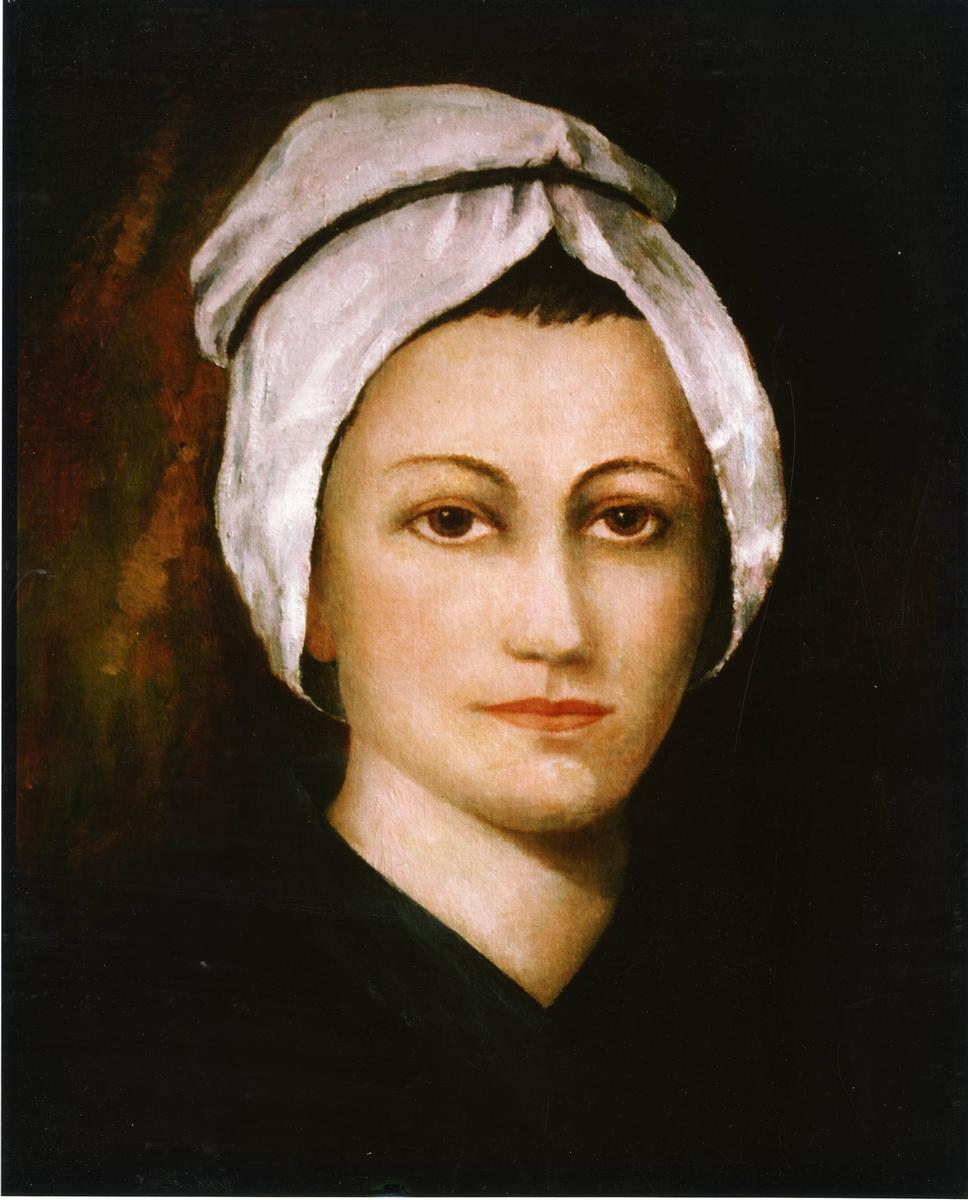 The Foundress
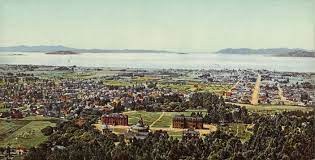
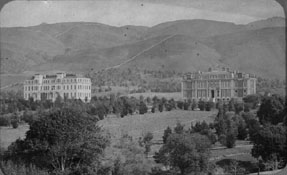 In 1866 the private College of California in Oakland, led by Congregational minister Henry Durant, taught a classical core curriculum modeled on Yale and Harvard. The trustees decided on a new site alongside Strawberry Creek in the foothills of the Contra Costa Range.
 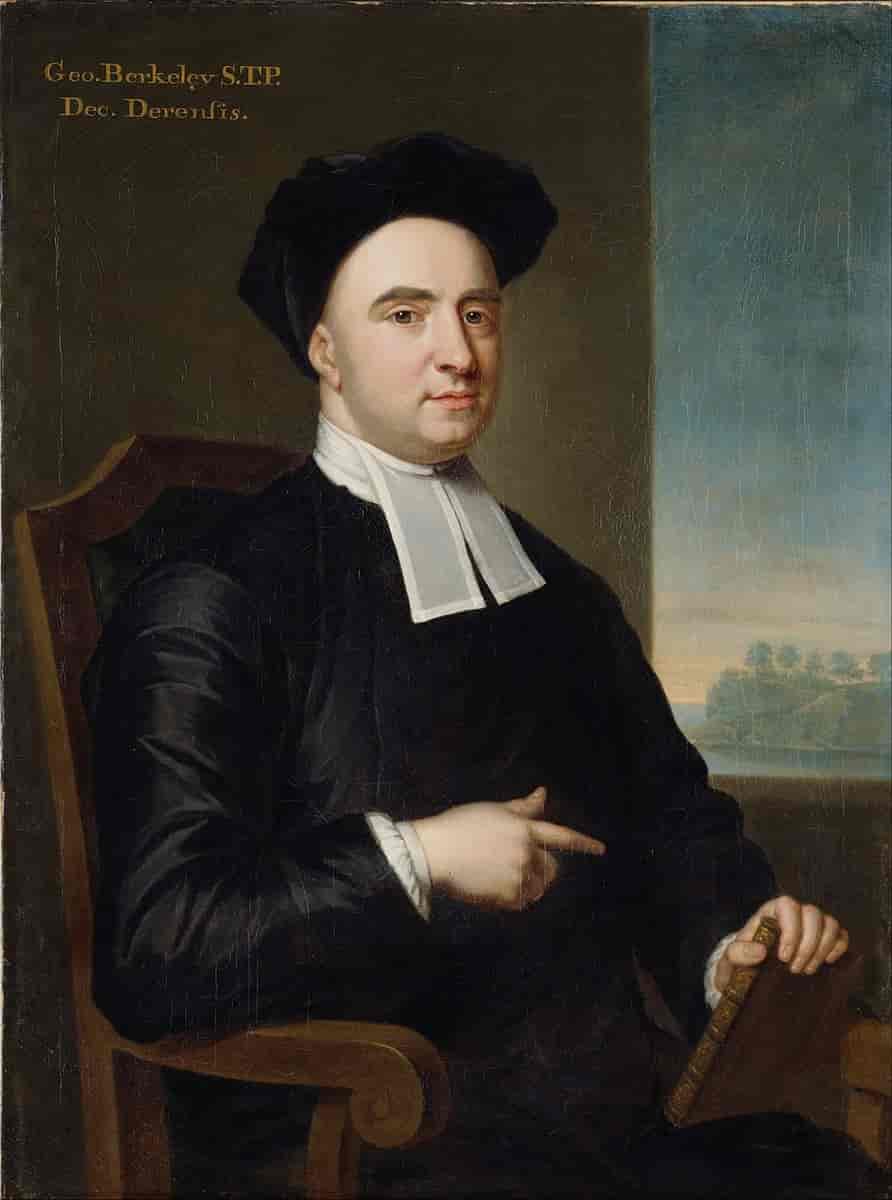 Bishop Berkeley (1685-1753) had spent four years in New England and had written a poem, “The Prospect of Planting Arts and Learning in America,” the last stanza being:
  While much has been said about the negative aspects of British colonialism, it cannot be denied that wherever the empire found itself, it worked untiringly to better the population to the degree it knew how. And the British heritage, the heritage of the West, is one of learning, law, and charity, seeds planted by Christianity. It is a legacy of freedom that flowers throughout the world on every continent among all races and is no longer unique to the Western world, but characteristic of the “Anglosphere.”
 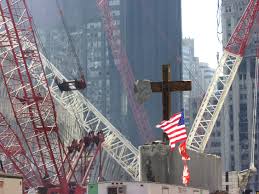 A sudden silence fell over them like a pall as they stepped slowly and carefully down the gravel path through the gardens, hearing only the sounds of their footfall and the caws of unseen birds high in the pines. Pausing, they looked out to the pale sky spread over Comerford House. When Anna spoke, Father Nate could barely hear her. “I was making breakfast when I heard,” she said. “Where were you on Nine-Eleven, Father?”
 “Louise Casparian, Nicholas’ wife.” Anna grew silent, and Father Nate could see an array of emotions pass over her face. She waited for him to speak. “She died that morning,” he said, focusing on a pale pink rose in the garden. “She was visiting a cousin at her office in New York at the Trade Center. They never had a chance.”
 “Six grand pillars?”
  They crossed the lawn to the French doors. He wanted Anna to understand what it means to be a refugee, to emigrate to America. “Anna, our grandparents fled the Armenian genocide of 1915 in Turkey, where their own parents—our great-grandparents—were murdered. They worked hard when they came to this country. They farmed near Fresno, living in a refugee community. Nicholas and I grew up during World War Two. We were raised to deeply value liberty—the freedom to think, speak, and worship as we choose. We loved America. We loved the culture of the Western world. We didn’t have much, but we had America. We were Americans.”
  Father Nate picked up a towel and reached for a cup. “This Fire Trail killer is a victim of our not enforcing the law. We’ve grown lax because many don’t believe in the source of our laws. Nicholas sometimes quotes Jefferson: ‘Can the liberties of a nation be secure when we have removed a conviction that these liberties are the gift of God?’ The words are etched into the Jefferson memorial in Washington, D.C.”
 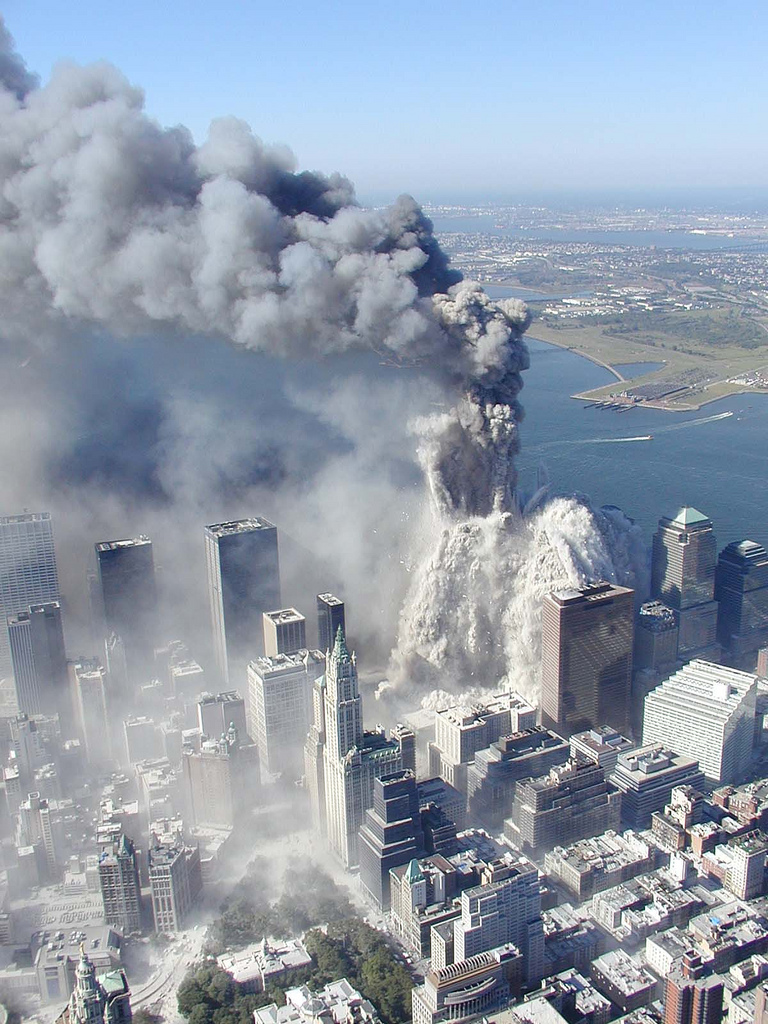 The first TV bulletin had been nearly unbelievable. The voices of the reporters moved from pragmatic concern to astonishment to horror at what they were seeing, and then saying, as they described the planes diving into the towers. Today, thirteen years later, Anna could see it so clearly: the black smoke of the first plane and the fiery explosion of the second. It was, she recalled, when the second plane hit, that she, along with a stunned nation watching, concluded this was not an accident. The United States was under attack. But who would do such a thing? Later, she learned, four passenger airliners had been hijacked by nineteen terrorists who had turned the planes into suicide bombs.
 The kettle whistled. Anna turned off the burner, the flame died, and she poured boiling water over tea leaves in the pewter teapot. Leaving the tea to steep, she moved from the kitchen into the foyer and crossed to the music room. From there she could see the San Francisco skyline, its misty shape still visible, still intact. Comerford’s porch flag flew at half-mast, and she watched the heavy canvas ripple in the growing damp, its stars and stripes waving as though holding the past and the future in its weave.
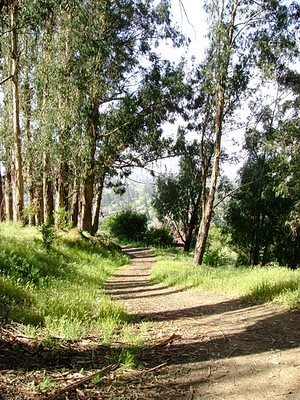 “On Thursday, September 11, close to four p.m., Zachary parked his car at the trailhead where the East Bay hills bordered Berkeley. It was the anniversary of a horrific day of national tragedy, and he needed to see the silvery bay, the San Francisco skyline, and the Golden Gate. He wanted to think. His mind and heart were a jumble. He needed to sort things out.
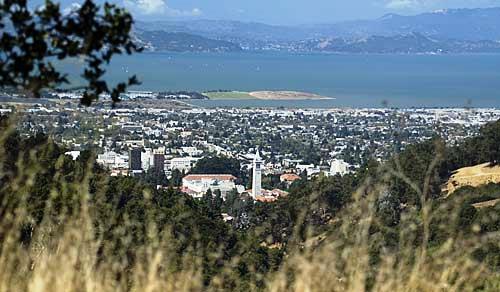 He could stare at the city and figure out his life, what to do next, as he had done many times over the years. The long bench was welcome, and he sprawled on it, pulling out his water bottle. The San Francisco skyline and the Golden Gate glistened in the encroaching mist. Berkeley dipped low and shadowy toward the shoreline.
 Nine-eleven. Zachary stood and stared at the skyline, imagining the planes attacking San Francisco as they had attacked New York. He had seen the images on television year after year, and each time was astonished that others would hate America like that, hate their freedom. Such hate and such tyranny were so opposed to the innate human desire for love and transcendence. Those terrorists chose the bestial way, the way of the jungle, the way of illiteracy and babble, the way of chaos and death.
 I came across an essay by John Horvat at the Imaginative Conservative site, called
  the work of Americans and protect their rights. We honor our workers and the contributions of each and every American to this great land of liberty. We honor work by honoring the virtue of self-discipline, responsibility, and perseverance.
 And so we prayed for them with The Litany (1928 Book of Common Prayer, 54+) this morning in our Berkeley chapel. We dedicated our prayer to those trapped in Afghanistan and those who lost their lives. As we chanted the responses to the many supplications I was thankful for the poetry of these ancient lines, said in unison as a chorus, many voices becoming one, creating a work of art of its own in our haunting barrel-vaulted chapel, unique to the moment and setting:
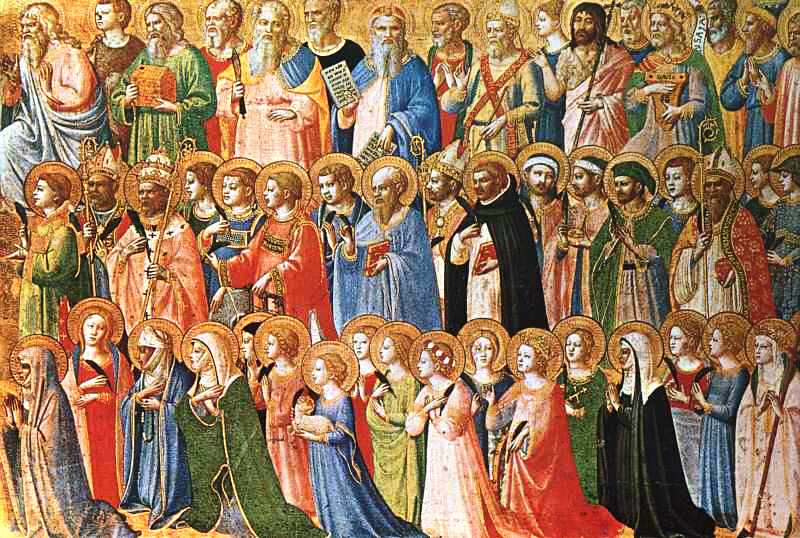 And so breathing the name of Jesus is healing. The Lord God Eternal enters me with each breath. I inspire and am inspired. And I received the Eucharist today, the Real Presence absorbed into my flesh.
 Christine Sunderland
