
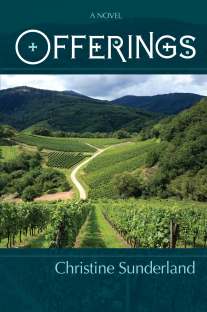
 Offerings (A Novel) by Christine Sunderland, Waterford, VA 20197: OakTara Publications, 2009, 249 pages and additional notes.
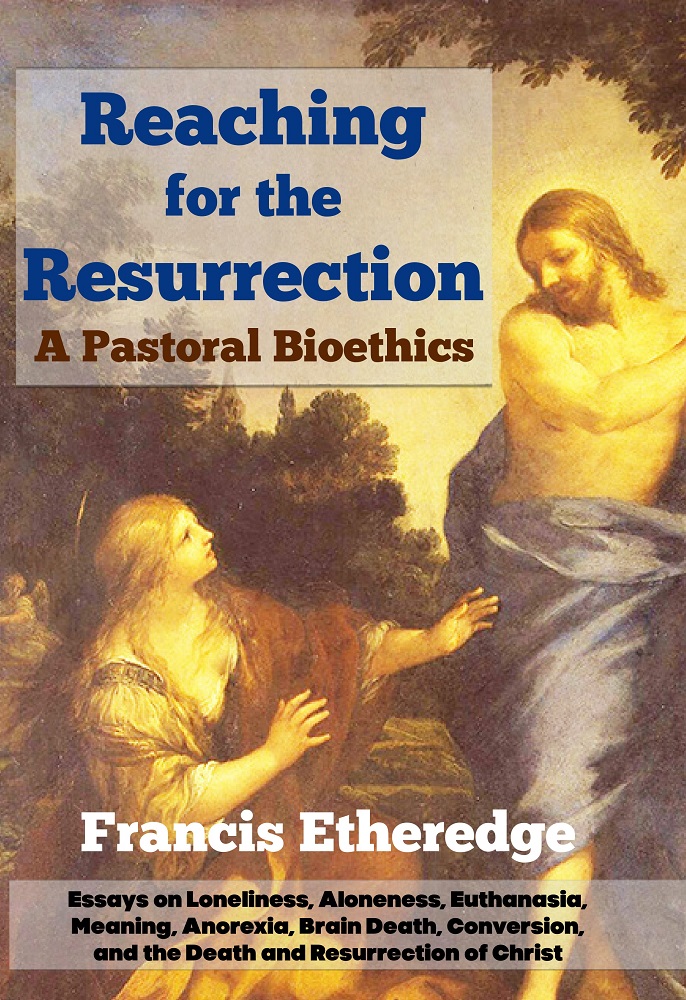
Reviewed by Francis Etheredge
“We live like a vine – Entwining and Entwined”
In this second book of Christine Sunderland’s trilogy on pilgrimage, the story builds on the first book but, as written, it could be read without it. In other words, although there are one or two backward glances, as it were, the second book is a sufficiently enthralling read to be enjoyed independently of the first one. However, given that this is the second part of a trilogy, there is both continuity and development of character; but, in addition, there are a multiplicity of new threads which make this a definitely enriched addition to the whole. Therefore, perhaps contradicting myself, let the reader be encouraged to begin at the beginning and start with book one. In general, and in book two, there are a variety of reasons which prompt the characters’ journeys. However, because there is an intermittent link with people who are connected to Christianity, in one way or another, it is as if the principal travellers are bumped, as it were, onto a pilgrimage.
On the one hand, human lives are twining around each other, not in any sense strangling each other so much as finding that growing together, even if there seems to be a different rate of growth between characters, does not separate but supports each of them; and, on the other hand, the wider denominational distance, as between Anglo-Catholics and the Catholic Church seems, at times, like a live electrical coil inducing a current in a wire. In other words, the proximity of the travellers-come-pilgrims to members of the Catholic Church and her mysteries seems to be a positive influence on them.
“Starting Points: Providence and Pilgrimage”
It could be we are going, ostensibly, to find a person who can help us; but, in the course of that search we may discover that, in fact, we need a more radical help. Or we could be the prayer companion of one who does not pray but begins to experience the relationship out of which prayer pours. Or we could be young and unattached and discovering the possibility of a vocation to marry. It is not so much, then, that there is one answer to these questions as that there could be multiple answers, each of which comes to the surface in its own time and needs its own remedy; and, therefore, it is to Christine Sunderland’s credit that she has brought out a number of these threads and shown how, in the end, they weave together different lives and their problems – but all, as it were, in search of the one God who is with us all, at all times (cf. Jn 14: 16-17). While, then, it could be argued that if we are not a Christian how can God be with us, there is also the path to God which each one of us treads, perhaps unknowingly to begin with but, in view of God’s searching for us, it is not so much discovering God as discovering God is with us. So, whether we are a “Sunday Christian” or “too busy” to be about searching for God, perhaps the point is that events in our lives can be, as it were, the stone that we trip over or the rock that we stand on (cf. 1 Pt 2: 7-8).
“Take up your cross and follow me” (cf. Mt 16: 24)
What, then, is a cross? In the case of Jesus Christ, it was the will of His Father that He accept the agony of both the thought (cf. Mt 26: 42) and the reality of His crucifixion at the hands of men, brought about by the ‘father of lies’ (cf. Lk 4: 13) and the weakness of human beings (cf. Jn 19: 12). The cross, then, is a suffering that is not taken away but which we are strengthened to endure (cf. Lk 22: 43).
It could be, then, that we have seriously failed, that we suddenly need an operation, that we have been too driven and too professional to be personable and that we do not even know the history of our family or that we think that we are called to one vocation but events reveal that we are called to another. Whatever it is, then, that comes into our life, God allows it because He is greater than what it is and can bring about a good beyond what we ordinarily experience. Thus Joseph, son of Jacob, who was betrayed by his brothers and sold into slavery, in the end rose to prominence in Egypt. When, in the near future, a famine came he was overseeing the solution and not distraught by the problem; and, therefore, when he was finally reconciled to the brothers who rejected him, he was able to say: What ‘you intended against me for evil, God intended for good’ (Gn 50: 20).
So we could say, our sufferings expose our vulnerability, even showing us that we are not invulnerable to temptations to adultery, to suicide, murder or whatever the sin we are tempted to commit. While discovering our vulnerability, like recognizing that black-fly always attacks the stalk or permeable underside of the leaf, we also discover the tempter’s way of stalking our weakness – but more significantly, we discover that we need an event, very often, to turn us out of our routines and to live in view of eternity: of the possibility that we will die one day. Will we have met our Creator before we die or will we be confronted, and possibly affronted, by the presence of a Stranger-Lord who will listen to what is in our heart? Will God find love in us or only an immersion in ourselves?
“Moral or material miracles?”
In the end, just as we are travelling through a modern world of cars, phones and laptops, as well as restaurants and farm life, there are still the poor who need help, people who need operations, but also the different possibilities of healing – whether that of being enabled to live with a disability or an illness or the actual healing of them. Indeed, it is a profound question as to why one person is given the gift of healing, while another is helped by an interior healing, even to the point of recovering or rediscovering the Christian Faith. Thus we are taken through innumerable places, each of which draws on what gave it existence and history, as well as how it is lived in the present and what difference it makes to visit it, even now.
In view, then, of the complexity of our lives, our habitual religious habits or the neglect of the questions which open upon eternity, we cannot possibly foresee all the ways that we are brought, by God, to an encounter, with Him; but, in reality, and this book succeeds supremely well in this, there are so many interconnecting strands that if we needed a contemporary account of the providential love of God, we can begin to find it here, in this trilogy on pilgrimage. I very much look forward to reading the third and final book.
 Francis Etheredge, Catholic husband, father of 11, 3 of whom are in heaven, author of 13 books on Amazon, particularly, The Family on Pilgrimage: God Leads Through Dead Ends: https://enroutebooksandmedia.com/familyonpilgrimage/; and, as a variation on the theme, a more domestic pilgrimage through the Covid-19 lockdown, in Within Reach of You: A Book of Prose and Prayers
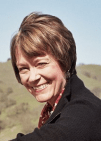 Christine Sunderland is author of seven award-winning novels about family, faith, freedom, and the sanctity of human life. Her most recent novel is Angel Mountain (Wipf and Stock, 2020) set in the San Francisco Bay Area.
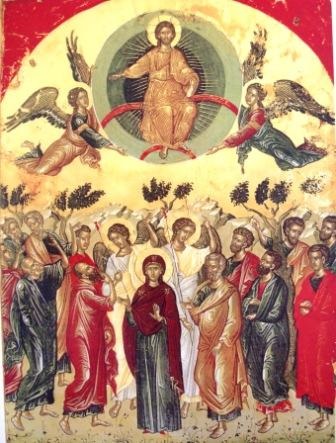
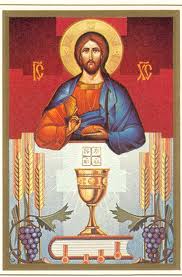 We are in the octave of Corpus Christi, the celebration of the Real Presence of Christ in the Holy Eucharist. The celebration falls on the Thursday after Trinity Sunday, marking the end of the seasons of Eastertide, Ascensiontide, and Whitsuntide, a span of rebirth that now continues in the Holy Eucharist. In my fifth novel, The Magdalene Mystery , I included a Corpus Christi procession, the traditional Rome solemnity, processing from the Lateran Basilica to the Basilica of Mary Maggiore. It is a kind of pilgrimage (and part of the ancient pilgrim’s route), praying with one’s feet, the Host in a monstrance on an altar within a canopy, carried reverently in the procession. It is a somber but happy celebration of the Presence of Christ among us and within us, an ongoing feeding in this life that continues the work of rebirth and re-creation and salvation begun in Baptism.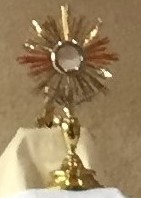
 In The Magdalene Mystery, to be re-issued this year by En Route Books and Media, I attempted to create a work that embodied our faith. The characters seek answers in Rome’s churches, through clues in the Apostles Creed, and slowly, praying with their hearts and minds, and yes, their feet, they discover the truth about what happened two thousand years ago on a hill outside Jerusalem and in a cave-tomb three days later. They learn what we can know of history and what we have good reason to believe.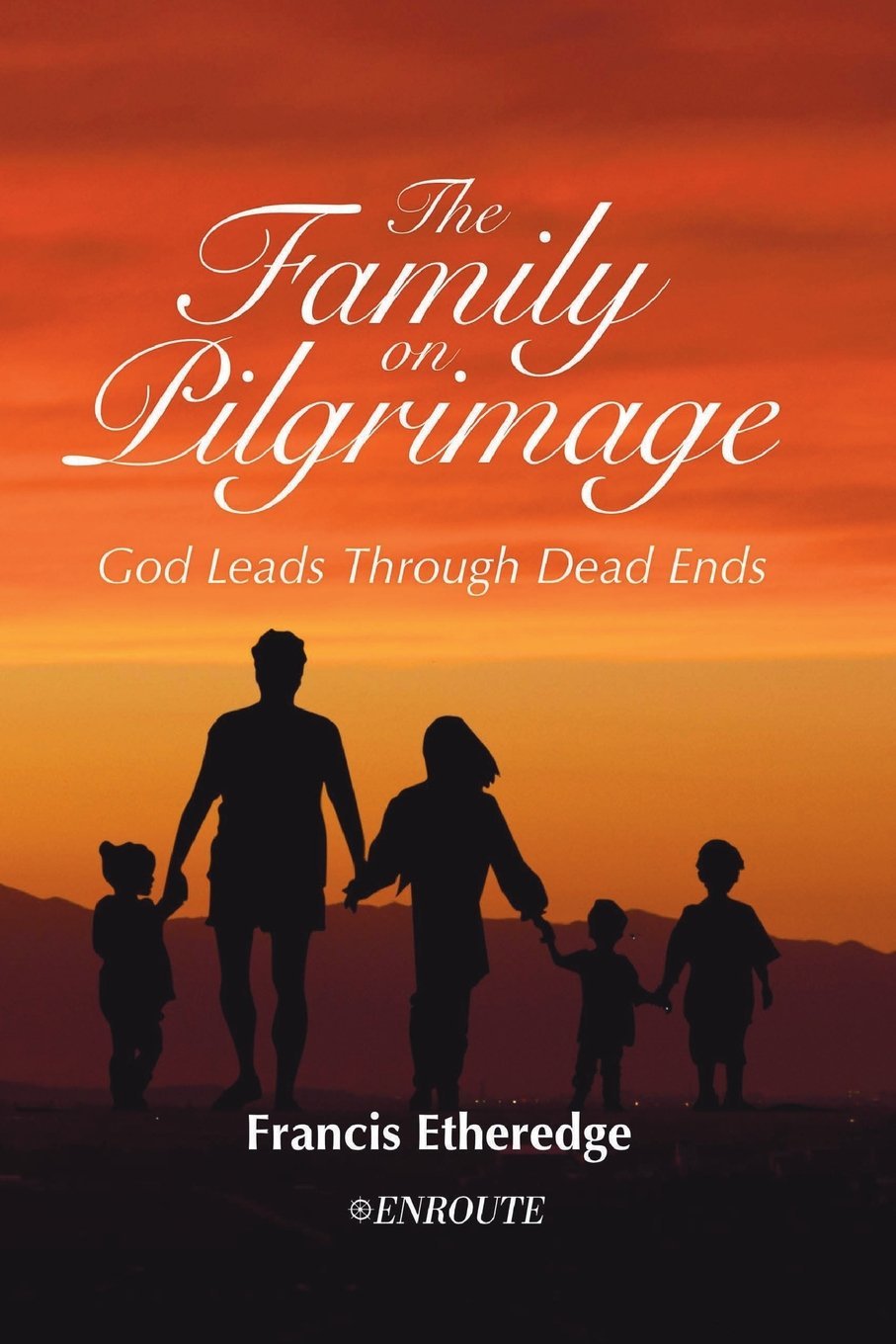

 Trinity Sunday, the week after Pentecost in the Anglican calendar, merges life and death and life again into God the Father, God the Son, and God the Holy Spirit. This past year we have padded along a pilgrimage path, beginning with Advent and ending with the Trinity season. We followed the birth, life, death, and life again of Our Lord Jesus Christ, as he revealed himself to us, in ways we could better understand God’s threefold nature.
 We call this Baptism, being born of water and the spirit.
 And like John, we are called to share this hope, to encourage this being born again, this “walk in the Spirit.” We are called to gather at the Holy Table each week, to share the Eucharistic meal of life, the Real Presence of Christ. For in this gathering, we know the Spirit flies among us like a dove, like a rushing wind, like the rainbow light that falls through the clerestory windows high above. We sing together, we pray together, and as we do, we are united in the love of the Holy Trinity, this Spirit weaving among us. As we gather, we celebrate life here and life eternal, bathed in the love of God.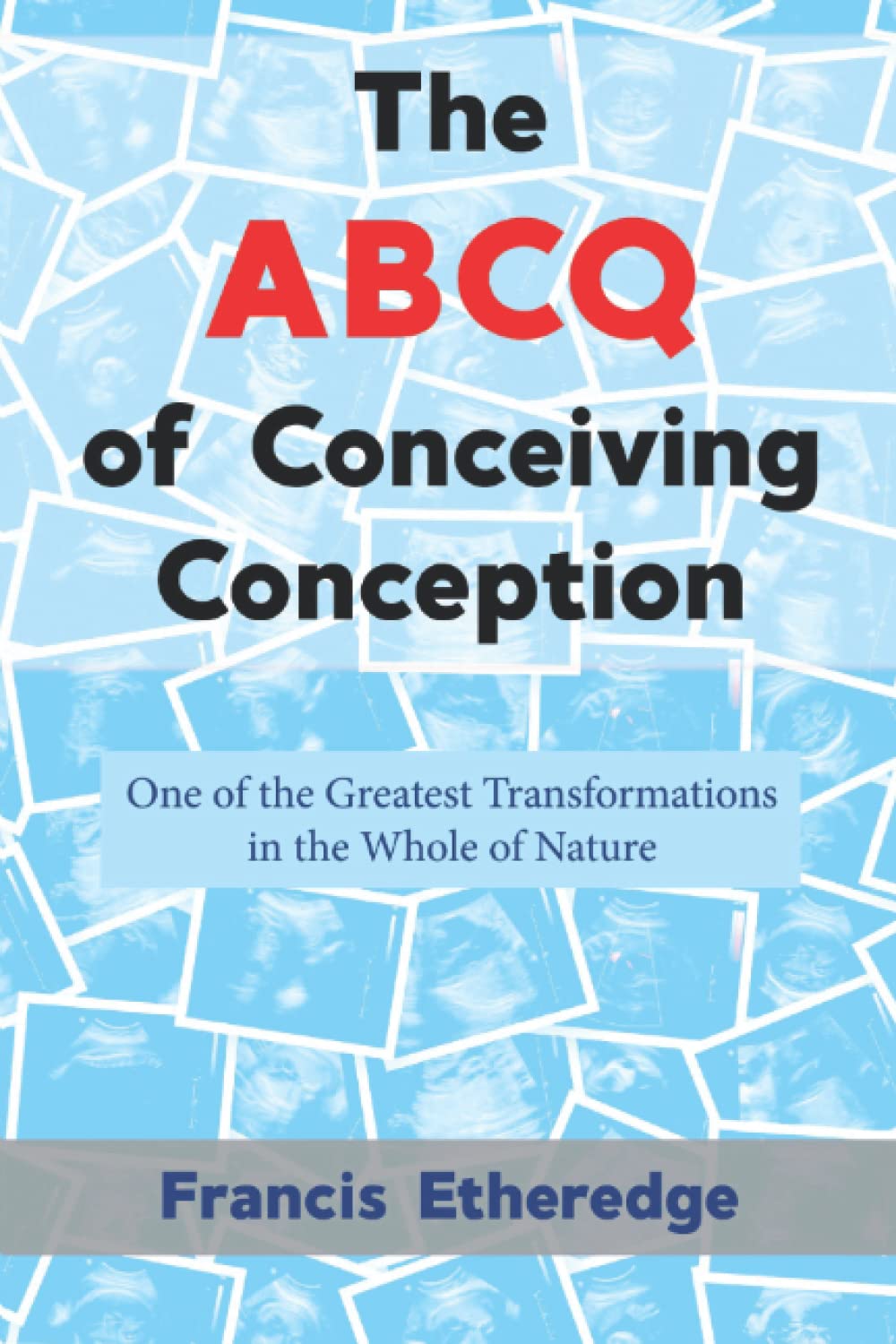

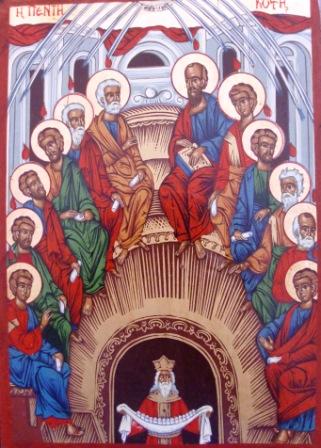 I have long loved the Festival of Pentecost, for it is the coming of the Holy Spirit upon the disciples, the breath of God, like cloven tongues of fire. This coming of the Spirit of God is the creative force of life itself manifesting at this moment in history.
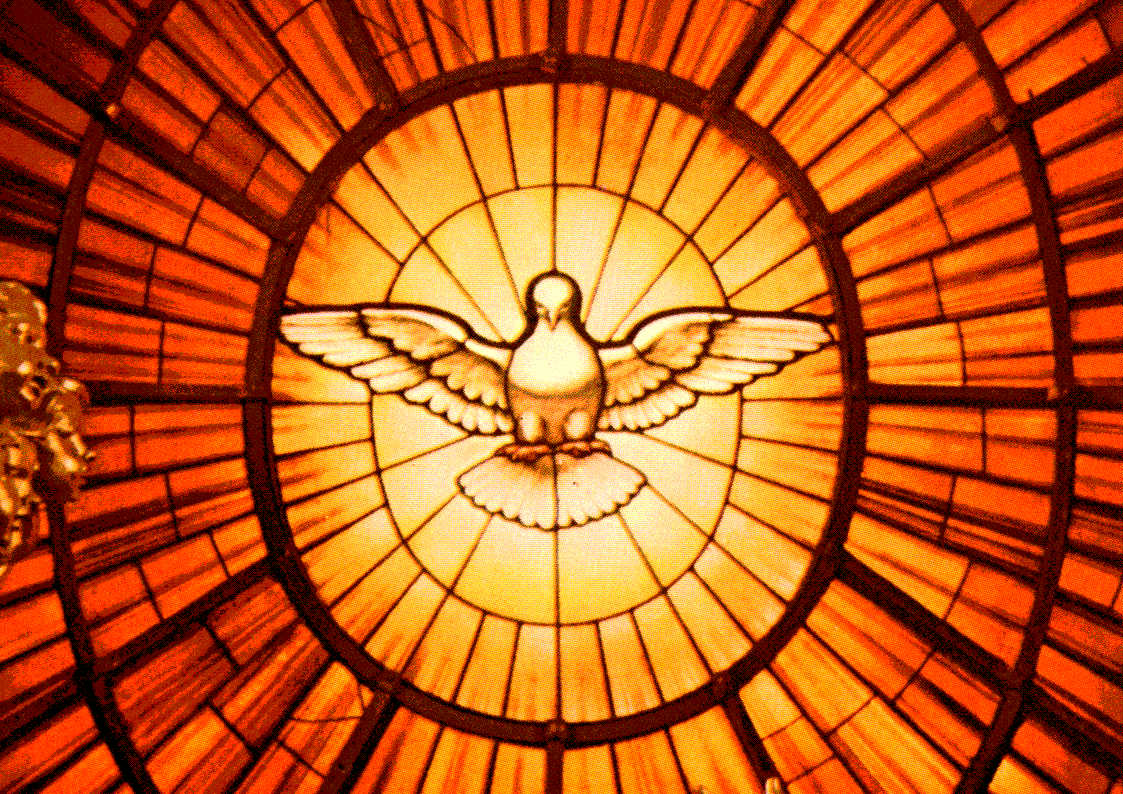 This creative Holy Spirit continues to recreate each of us and our world. Each breath we take, each day we live, is spurred by God’s life within us. We are in-spired, breathed upon, by God. We need only ask.
 It has been said that we are People of the Book, along with Abraham’s other descendants, Jews and Muslims. We bring God among us through our stories, many true history, many parables. And it is in this greater story of man, of humanity, that we learn who we are as God’s children.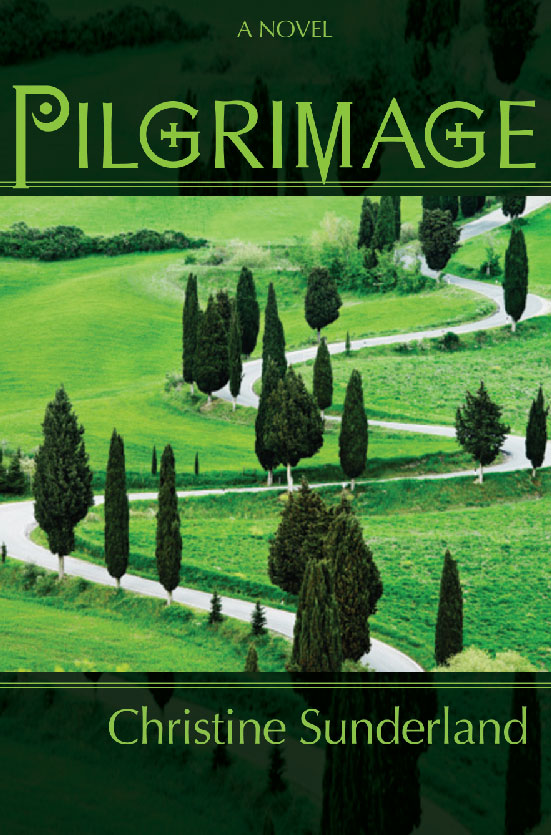
 I’ve been memorizing a prayer suggested by our Bishop Hansen. This week I repeated, whenever I had a spare moment: “Lift, O God, any veil from our minds and bring revelation and enlightenment in all things. Amen.” I also repeated last week’s line: “Let all of us, all our children, our children’s children, and our future generations know Christ fully and enter Thy Kingdom now to live with Thee forever.”
 We memorized many things in school over the years, Kipling and Frost and Shakespeare, but the Pledge of Allegiance seeded and watered belief in our country’s righteousness and freedom.
 Tomorrow we remember those who died defending us in these wars. We observe “Memorial Day,” a day of remembering. And in honoring their sacrifice, we remember who we are, that we are a nation worth defending. We are a nation of equality (not equity) under the law. And we are a nation of laws, rules we all agree on.
 This week I will add the third verse to my memory prayer:
 For we are a nation under God, protected by his Holy Spirit, with angels and saints. Never in the history of man has there been a nation like America. Never has their been a more resilient people than Americans. And never has there been such a light shining on such a hill, a beacon of truth to the world.
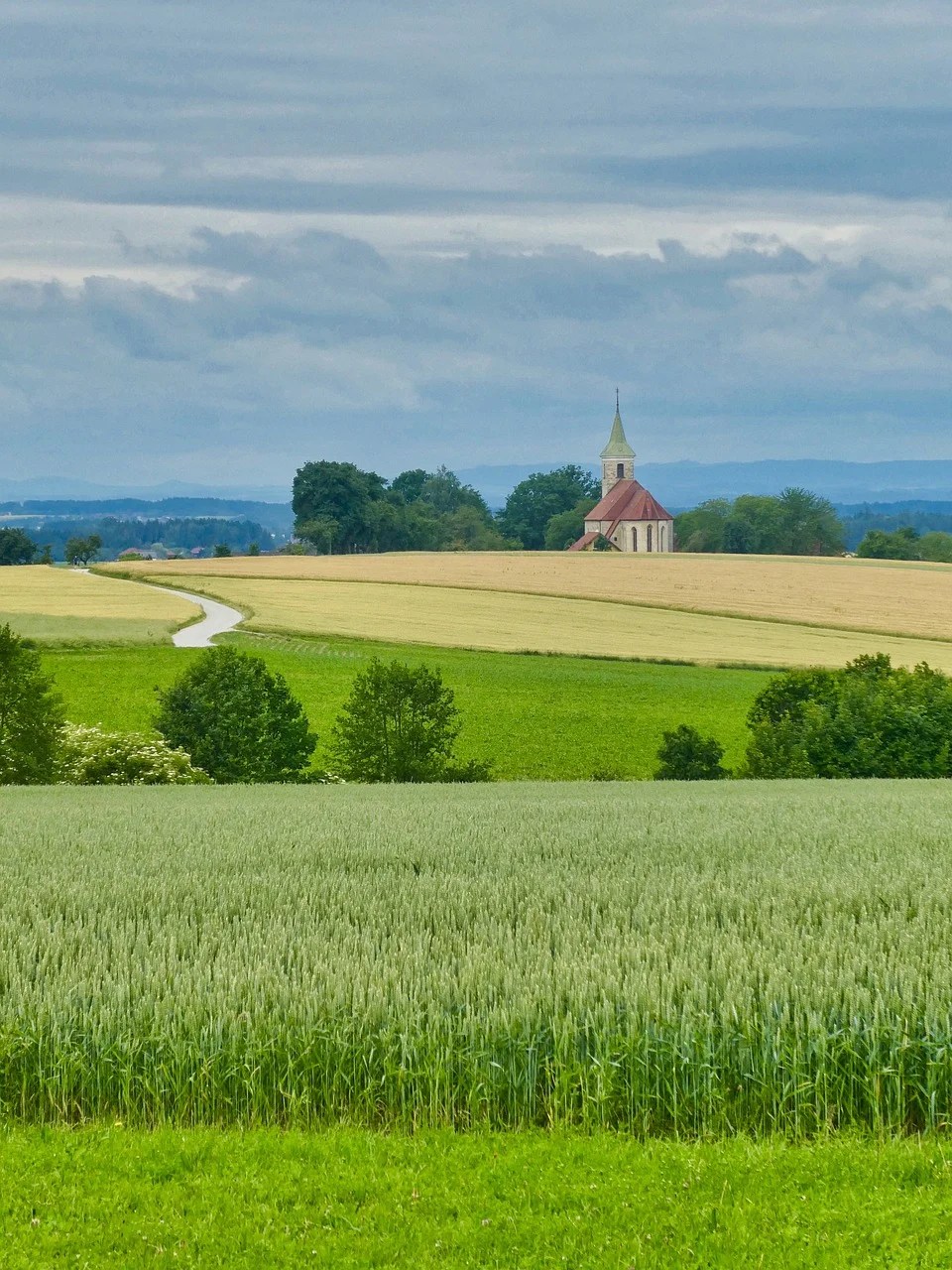 Rogation means asking. Traditionally, Rogation Sunday called for prayers for the harvest, and thus we associate this time not only with prayer, but the natural world and its bounty. Rogation is a short season, lasting these next few days, ending on Wednesday.
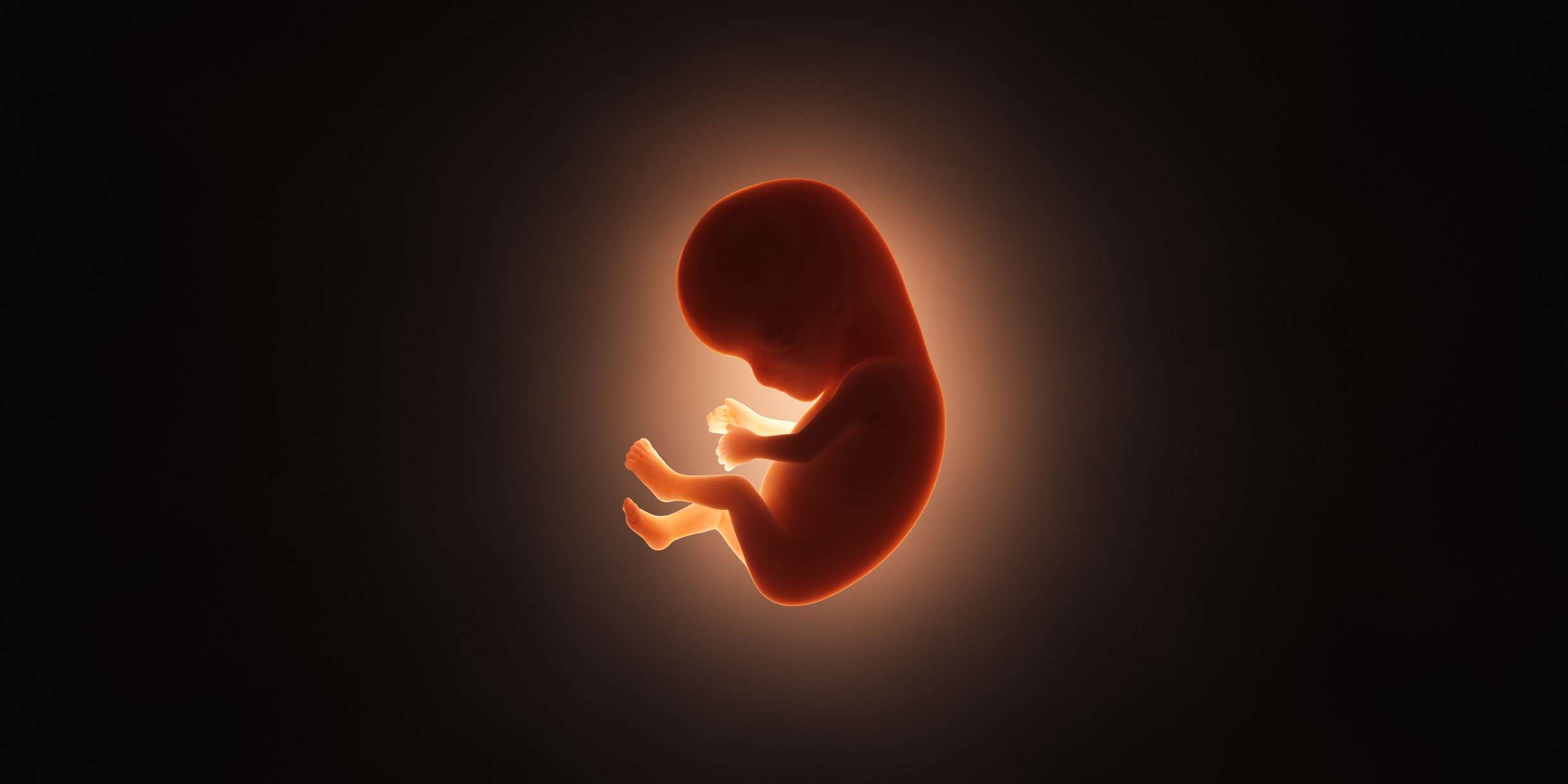 There was a time when I was an embryo, a union of sperm and egg, and at the moment of conception at fertilization, I became ensouled by God. This union of two to become one and even three, is one of the greatest transformations in the history of man. Its miraculous occurrence, so numerous, is taken for granted. And yet I, like many, grew hourly, daily, weekly, in the womb, fed by my mother, listening to her heartbeat and the swish of the pool in which I swam.
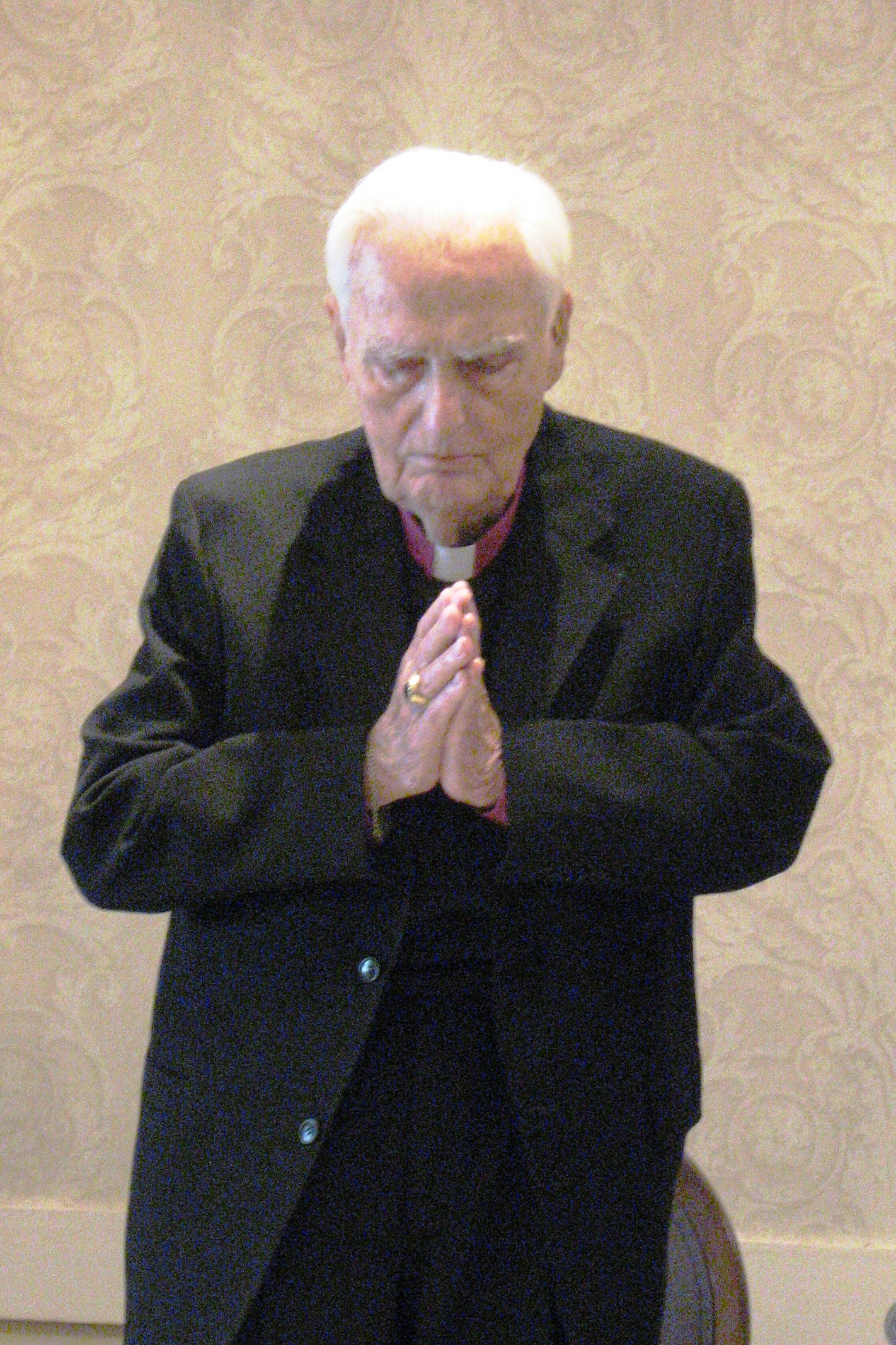 To be human is to be wounded. To love is to be scarred. But we are rewarded by the knowledge of Christ, and we become surrounded and filled with his mysterious glory, his glorious mysteries. To be human, we learn, is to love as God loves us, his own.
 I want to know Christ fully. I want to know his voice. I want to share with others this knowledge, to plant more seeds in fertile soil, to grow to the light, to be birthed into the sunshine, to be watered by the skies and inspired by the Holy Spirit as he breathes upon us. To fly.
 And so we ask the Father in the name of the Son, to protect our little seedlings that are growing toward the light in the dark womb, sheltered by their mothers. We ask, “Thy will be done.” We ask, “Show me thy will.”
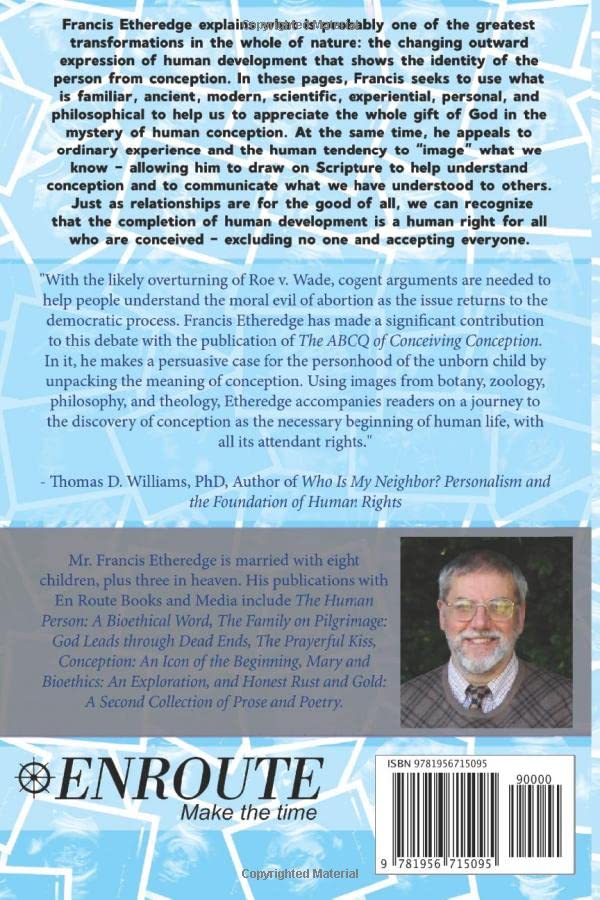 We see reality in all of its mystery and glory. Some of us are blind, choosing not to see. But we must not turn away from this reality. We must face the ultrasound images, as loving, responsible, men and women. After all, we have been given our own gift of life. We are accountable. We will be judged accordingly.
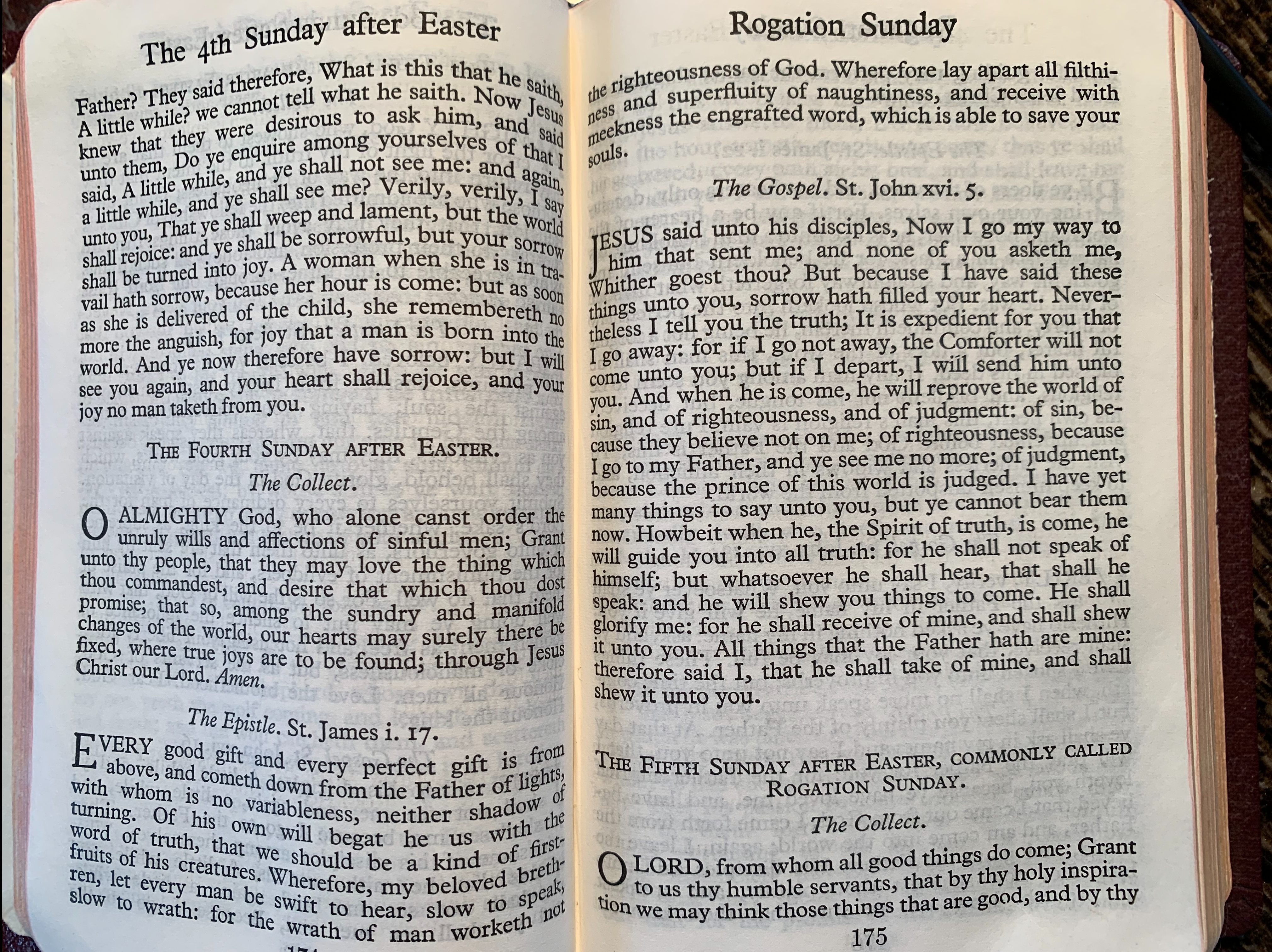 And so I smiled this morning when I heard the lovely Epistle by James (1:17+):
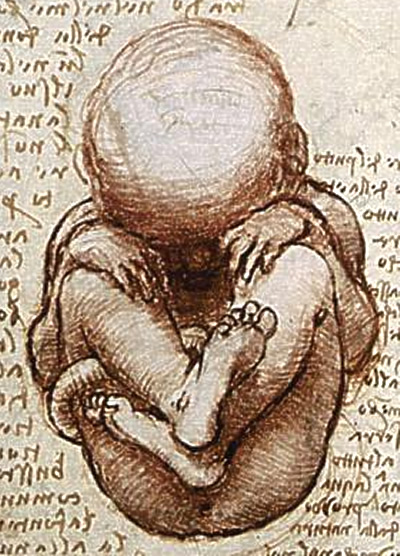 We are to be gifts to one another, good and perfect, if we are to allow the Holy Spirit to work among us, connecting us, fortifying us, filling us with the knowledge of God and his love. For it is the love of God that creates that miniscule embryo; it is the love of God that recreates each one of us; it is his Word expressed in Christ that we engraft upon our souls, that we feed upon in the Eucharist.
 Christine Sunderland
 Christine Sunderland