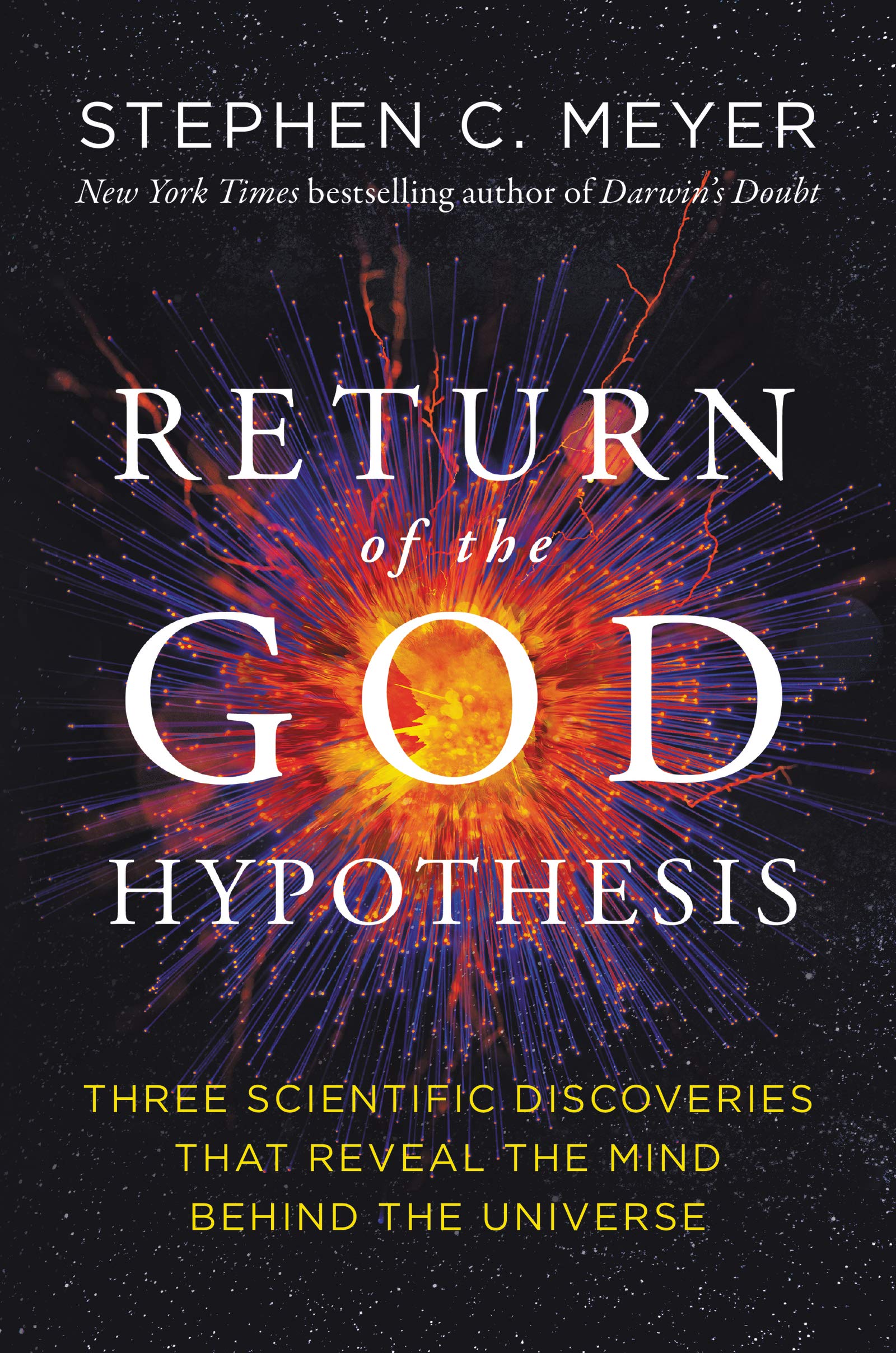
 It is a curious thing, just as the world as we know it appears to be collapsing, just as the materialist-atheist worldview appears to have triumphed and the Judeo-Christian worldview appears to have vanished, just as objective truth has been banished by Oregon’s schools and math thrown out as racist, just as the wisdom of centuries is stamped down and trodden upon with some kind of diabolic glee – just as all these signs and many more point to Armageddon or the end of the world or simply a second civil war in the Dis-united States, Steven C. Meyer brings us another brilliant book to argue the opposite, reminding us that science points to an Intelligent Designer behind all creation.
And just as you, dear reader, thought the above sentence would never end, so we smile with renewed hope in the future of mankind. Good news, indeed!
 Having finished off Ben Shapiro’s excellent The Authoritarian Moment (well worth the read with copious notetaking), I ordered Steven C. Meyer’s Return of the God Hypothesis.
 As I await delivery (old school print), I am returning to Sohrab Ahmari’s The Unbroken Thread: Discovering the Wisdom of Tradition in an Age of Chaos. His immigrant story sheds light on the disappointment many of today’s immigrants share when they see America as no longer celebrating tradition and freedom, no longer proud to be a beacon on a hill, but instead heading toward the tyranny these immigrants were escaping.
 In my growing stack of “research for the next novel, immigration theme” I am also looking forward to Prey: Immigration, Islam, and the Erosion of Women’s Rights by Ayaan Hirsi Ali. She is a vital witness to the true effect of militant Islam in the world, the silencing of women, gays, Jews, Christians, and peaceful Muslims, in obedience to sharia law.
Returning to The Return of the God Hypothesis, Steven Meyer’s work at the Discovery Institute in Seattle was part of my research for my most recent novel, Angel Mountain (Wipf and Stock, 2020). He and others built upon the work of Phillip E. Johnson of UC Berkeley, considered the “Father of Intelligent Design.” They considered whether recent scientific discoveries in genetics and the universe might throw a new light on Darwin’s theory of evolution. I found this fascinating, that science was actually supporting the idea that faith might be on the right track after all. All those monks peering at the stars from their abbey domes were right or could have been. Who knew?
And so we have the idea of an Intelligent Designer as a possibility, and the hypothesis of the reality of God, for Darwin’s theory is not enough, given what science has learned in the last twenty years, particularly the intricacy of creation and the finetuning of our universe to a vastly improbable degree. Eric Metaxas, among others, provides a simple summary of these arguments in his book, Miracles.
 In my novel, Angel Mountain, one of my characters is a geneticist who, when he speaks truth to power at UC Berkeley, is pushed into an early sabbatical by the woke powers that be. In this excerpt, Dr. Gregory Worthington, 37, our geneticist, walks a trail on Angel Mountain with Catherine Nelson, 33, a UC librarian, and explains a bit about what these discoveries entail:
“I believe Heaven is real,” Gregory said, feeling brave.
Catherine eyed him seriously. “Why do you believe it?”
She is direct, he thought. “It’s been a long journey.”
“Tell me the short version,” she said.
Were her eyes teasing or challenging or doubting? A little of all three, Gregory decided. “I’m a scientist. I saw faith as something out there for some people, but why bother? I was raised a Christian, but somehow I hadn’t met Christ along the way.” That was pretty honest, he thought. He even surprised himself. “As Abram said about his own conversion.”
“Go on.”
“In my studies of the genome and genetics, and my Stanford residency, I began asking meaningful questions, and finally connecting the dots, as it were. The intricacy and creativity and brilliance of our physical world reflected an Intelligence, a designer, and one thing led to another.”
“But doesn’t science explain our world? With evolution? We don’t need God anymore. We don’t need a religious explanation.”
“That’s the amazing part. Over the last few years, science has been effectively presenting a case for the existence of God.”
Catherine looked thoughtful. “I thought it was a matter of faith, of belief, rather than scientific observation, data, and conclusions.”
“Things have changed. In 1966, around the time of the ‘God is Dead’ movement, the astronomer Carl Sagan claimed two conditions were needed to support life on a planet. Without these two requirements, life could not exist. The first requirement was the correct star and the second was the perfect distance from that star. Calculations showed, based on this hypothesis, there were over a septillion planets that could support life, planets that had the perfect star at the perfect distance.”
“I’ve never heard this, but then I took a minimum of science, and no astronomy.”
“Science has made many more discoveries since 1966. But the announcement was exciting in the sixties, and it gave rise to all the space travel movies. There was a natural curiosity about aliens and life on other planets.”
Catherine grinned. “Star Wars, Star Trek, ET, that kind of thing.”
“Exactly. But science made new discoveries that never really made their way into the popular imagination, and people got stuck in that mindset that there is life out there. In that sense, they haven’t kept up with science.”
“What discoveries? Did they prove life couldn’t exist on other planets?”
“Pretty much. Well-funded programs under the umbrella ‘Search for Extraterrestrial Intelligence’—SETI—tried to identify life in the universe by tracking signals through radio telescopic networks. Nothing. Silence. Congress defunded the program in 1993 but private donors continued to search for life in the universe.”
Catherine shook her head. “Let me guess. Nothing still?”
“Right. As of 2014, nothing.” “What happened then?” “Sagan’s requirements for life multiplied over the intervening years, way beyond two, which made the results more logical. Fewer and fewer planets met the increasing number of requisites discovered by science.”
“How many planets today can support life? What did they come up with?” “Actually, none.” “None except for Earth?” “No, including Earth.”
Gregory watched Catherine’s face. She wasn’t laughing at him. She wasn’t rolling her eyes. She seemed genuinely interested in his statement that it was impossible for planet Earth to support life, at least according to the math probabilities and life’s necessary requirements.
“But—” Catherine shook her head in disbelief, at a loss for words to express her doubt. But she still seemed to take him seriously. She hadn’t written him off completely. She was listening.
“Here we are,” Gregory said. “We are life. Sitting under an oak on the side of Angel Mountain watching the incredible tule fog move through the valleys toward the coast. We are here—we are life—so how did this happen?”
“Go on.” Did Catherine sound intrigued or sarcastic? He wasn’t sure if she believed him.
“The latest data show that there are over two hundred requirements for a planet to support life. Each one must be met or else life cannot exist on planet Earth. For example, near to us, planet Jupiter has a gravity pull strong enough to divert asteroids away from Earth. It is clear—at least to this scientist—that the creation of life forms was not random but finely tuned. Extremely finely tuned.”
“What about the creation of the universe? Wasn’t that a result of the Big Bang? An explosion? Not God at all.” She gestured to the broad landscape that reached to the horizon and the endless sky.
“Fine-tuning again. The universe was fine-tuned immediately after the Big Bang, which also had to have a cause in itself, as Aquinas argued. Today, astrophysicists claim there were four forces that needed to be fine-tuned and need to be continuously fine-tuned. If they had not been finely tuned, for example, no stars would exist. The odds are gigantic against the universe forming accidentally from an explosion, any explosion. The odds are something like ten quintillion to one.”
“That’s all encouraging, isn’t it? Seems like meaning and purpose are now scientifically proven.”
“Certainly in terms of probabilities, statistics. Many atheist scientists—the honest ones—have admitted that some kind of Intelligence had to be behind the creation of the universe.”
“It doesn’t seem to make the news.”
“The general public is about twenty years behind. Also, belief in God isn’t popular, considered too constraining in terms of ethics and behavior. The natural conclusion—not a great leap—is to identify this intelligent Creator as the God of Jews, Christians, and Muslims. All three religions make clear moral demands on our lives. All three proclaim a law. All three predict a day of Judgment.”
“So what you’re saying is that faith and science support one another.”
Gregory nodded as they returned to the path. “They do. Absolutely.” He grew thoughtful. “You’re a better audience than my last one.”
Sunderland, Christine. Angel Mountain (pp. 181-184). Resource Publications, an Imprint of Wipf and Stock Publishers. Kindle Edition.
I’m looking forward to Steven Meyer’s book, which should find its way into some of the themes in my next novel, Return to Angel Mountain, working title. The subject is fascinating, particularly at this moment in history when chaos does indeed seem to be engulfing America. The Judeo-Christian belief in a loving God, now supported by science, is literally our saving grace, our path forward, our way to love as Christ loved and as we are taught (indeed, commanded) to love by this loving God.

 An icy rain has dampened the Bay Area today, and occasionally I wondered at the hail upon the windshield driving home from church. Would there be snow on Angel Mountain, aka Mount Diablo? The summit is covered in a thick cloud now, but perhaps later a white blanket shall be seen.
 Advent 3 is called Gaudete (Rejoice) Sunday, named for the introit at the beginning of the Mass, “Rejoice in the Lord always…” It is also called Rose Sunday, a break from penitential purple, a day when the theme is Heaven rather than the earlier Death and Judgment, and the later theme, Hell. We light three candles on our wreathe, two purple and one pink.
 Rose Sunday is a clearing of the skies, a break in the rain, as we glimpse Heaven through the parting clouds. Heaven is real, I am certain, for we sense it all the time as humans on this rolling planet we call Earth. We sense we were made for a better world, and this sense is often called our conscience. Our consciences must be educated, refined, and purified, but our sense of right and wrong, of judgment, has long been a pointer to the existence of God, a moral and loving Father-Creator who desires our good. Heaven is that good manifestly lived in Eternity and punctuated in our own time.
 We worship together on a Sunday, singing and celebrating the glory of Heaven. We say together the familiar words of the Mass, confessing and being absolved, praying for others, praying for our country, praying the consecration of the bread and wine to become the Real Presence of Christ. We stand before the altar, waiting to receive him. We are a row of penitents with the hope of Heaven, and soon we receive Heaven into our bodies. Our thirst is quenched by God.
 It is a curious thing when events collide, or fall into place, or compliment one another, or shed a light upon one another. I have been considering setting my next novel in the season of Advent. The downside is the season is usually too busy to attend to the manuscript first draft. But the remarkable upsides collided today, on this Second Sunday in Advent when the Church considers the final judgments, individual and general.
 So what were the other events that collided with Judgment Day?
 I considered these things in our chapel today, as we heard Christ’s voice in the Gospel lesson:
 There are times when we must trust in God, his purposes, his love. There are times when we are pulled in two directions, or three or four. Many women know this, that they have been granted the greatest gift of all, to bear new human life within their bodies. Yet they also sometimes fear their own lives spinning out of control. Today we are told career comes first. We are told a house and financial stability comes first. We are told we have too many children already. We are scolded that the planet is too crowded. We are told to sleep with anyone and abort children conceived. Men are told they need not marry, need not commit to another. Why bother, the chorus screams, in this culture of self, of me, of un-love.
 I considered today the drama of these times to come, described by Our Lord in the Gospel, and I considered the monumental events of the times today. I recalled those who fought for our peace and freedom, who gave their lives for us to live, breathe, form families, worship in church. They were brave, these men and women who fought for us, who answered the call to arms after Pearl Harbor. They kept us safe. They chose the right, to fight the wrong.
 We are in the winter of our national life, here in America. We have seen our country fight again and again for right action, and the old demons rise again and again to try and trick our people into wrong action. Nothing changes on this earth, at least in terms of good and evil. But we can make a difference with every desire and deed that we own. For nothing is wasted.
 We await the coming of Christ in Bethlehem. We await the second coming of Christ in the last days. In this mean-time, we welcome the coming of Christ into our hearts to love us with his judgment and mercy, redeeming us out of our time and into his eternity by the wood of the Cross, by sacrificial love.
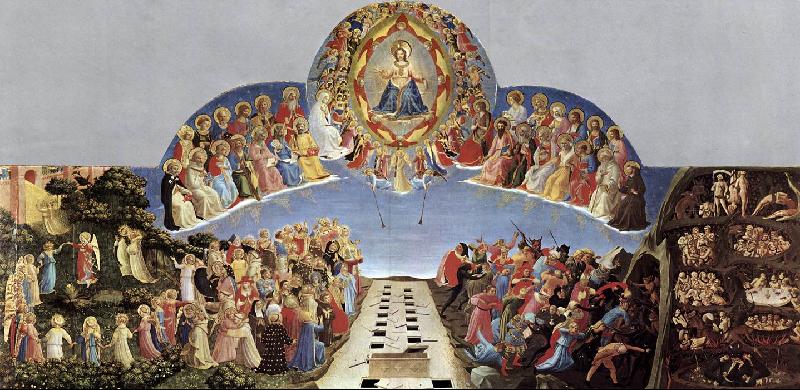 For today we begin to think about judgment, law, and love. Paul writes to the church in Rome in the Epistle (Romans 13:8+) about how the law leads to love. “We owe no man any thing, but to love one another: for he that loveth another hath fulfilled the law.” But there is more; it is not that simple. He goes on to list the commandments, for the commandments are the law of love, commandments against adultery, killing, stealing, lying, and coveting, all which harm others. How do we measure up against this standard given to Moses on Mt. Sinai, burned into tablets of stone?
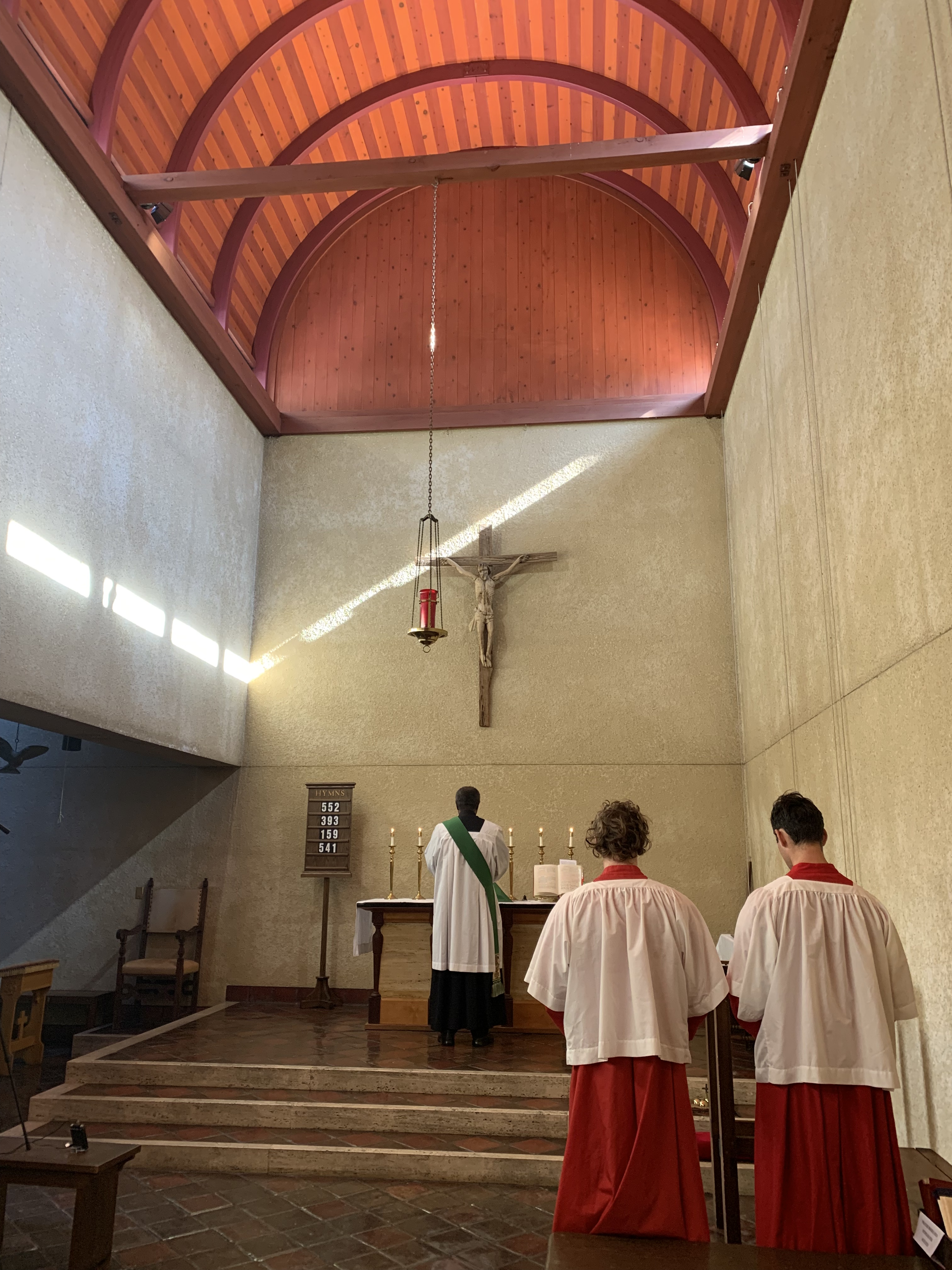 Today is called “Stir Up” Sunday because of the prayer at the beginning of the liturgy, which “collects” us together as one body in Christ, hence called the Collect for the Day:
 And so as I examined the dusty, faded, spines of these many volumes published over the last fifty+ years, I recalled that such basements full of books might indeed be banned one day. Would libraries be burned down? It was thought a remarkable and fortunate turn of fortune that the great Alexandrian library in North Africa was spared the looting and pillaging of the vandals in the raids of the fifth century. Libraries – of word, print, or mind – exist to share ideas and times, plottings and plannings between people and cultures and ages. Libraries attempt to ensure that we do not make the same mistake as our ancestors did, that we learn from history and not repeat the failures.
 Another character recalls that at one time they heard news of other places and events. The news came through screens and phones, generally propelled by those in power in Washington using carefully scripted words. But now, with the silence mandate, which criminalized writing and most other communication as racist and therefore hate speech, and therefore a sign of domestic terrorism, news was broadcast once a month by a town crier, who read a carefully scripted and word-barren paper he unrolled in the village square. Some wondered if he was human, and perhaps he wasn’t, for he sounded like a digital recording from a bygone age. Others listened, but learned little about human affairs in other places.

 A cold breeze pierced the air making way for the sun to light up our green hills in the East Bay, welcome after more light rain this week. For without light, colors fade into grays.
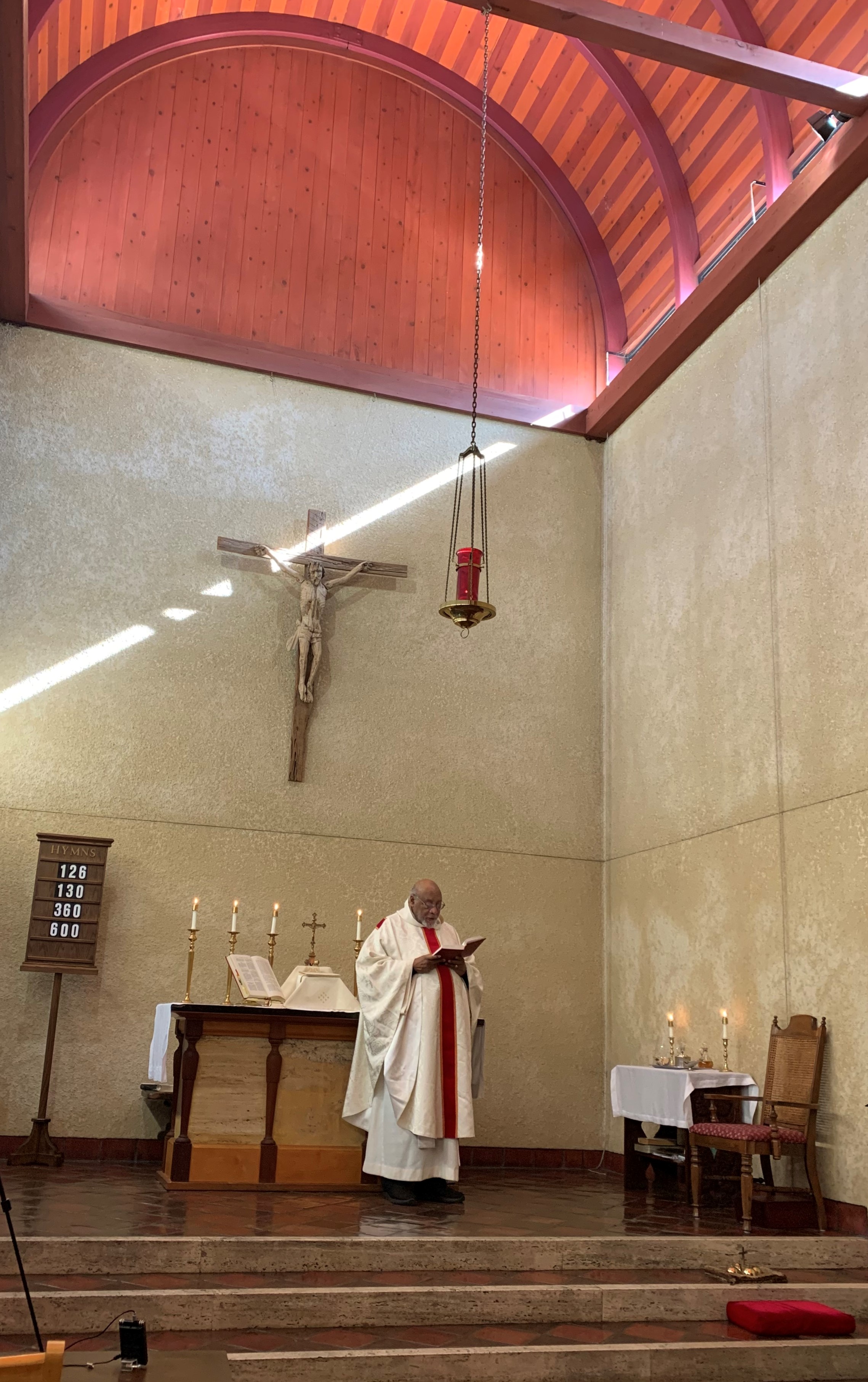 I thought about this and about the light of the saints, their shining a light upon us all, their examples of selflessness and sacrifice, their witness to seeing reality as it truly is – I thought about these things as I worshiped in St. Joseph’s Chapel this morning, and I gave thanks for the testimony of the majestic organ notes that danced into the dome above the white-linen covered altar, above the candles burning bright, above the white tented tabernacle, and above the crucifix itself.
 In our Anglican tradition, at least in the Anglican Province of Christ the King (traditional Episcopal), we celebrate the Feast (Festival) of Christ the King on the last Sunday in October. Others choose the Sunday before Advent, toward the end of November. This being our name day, it is particularly meaningful for us. For Christ is our King indeed – in deed, in Word, and in Spirit.
 But in the darkness of this night we look forward for the dawn of the Feast of All Saints, a glorious, sumptuous celebration of those men and women who have gone before us (and will come after us), who were so filled with the love of God they obeyed his Son, Christ the King. The Catholic Church has named many such saints, and Anglicans reformed the number, simplifying. The names fill the squares on our Ordo Kalendars so we won’t forget: the Apostles and the martyrs who witnessed and died, the Doctors and Fathers of the Church who taught, the evangelists who wrote and preached, the clergy who gave of themselves wholly in holiness, the unsung heroes who fed and sheltered the poor. They populate our kalendars with dates going back over two thousand years.
  These men and women live among us, sanctifying our world. Thus, on Tuesday we celebrate All Souls, remembering those who have gone before us as faithful soul-soldiers. They may not have lived lives totally abandoned to God’s love and purpose, but they believed and they tried, they confessed and they repented. They reached for Our Lord’s hand and walked him, on his path, until the next stumbling and standing upright again, and moving on. All Souls is for the rest the believers, those who have gone before us in time, who followed Christ the King.
 Rain came to the Bay Area this weekend, and today it falls steadily straight down, pounding our parched earth and blown sideways by the wind, pulling branches and leaves with it. We are grateful for this downpour, in spite of expected flooding in the northern counties where fire has burned away nature’s protections against erosion. The rain patters and splatters, tapping the windows in a kind of dance, and I suppose I should retain some of the credit for its appearance, since we recently washed our windows. Today, they are getting rewashed by the heavens.
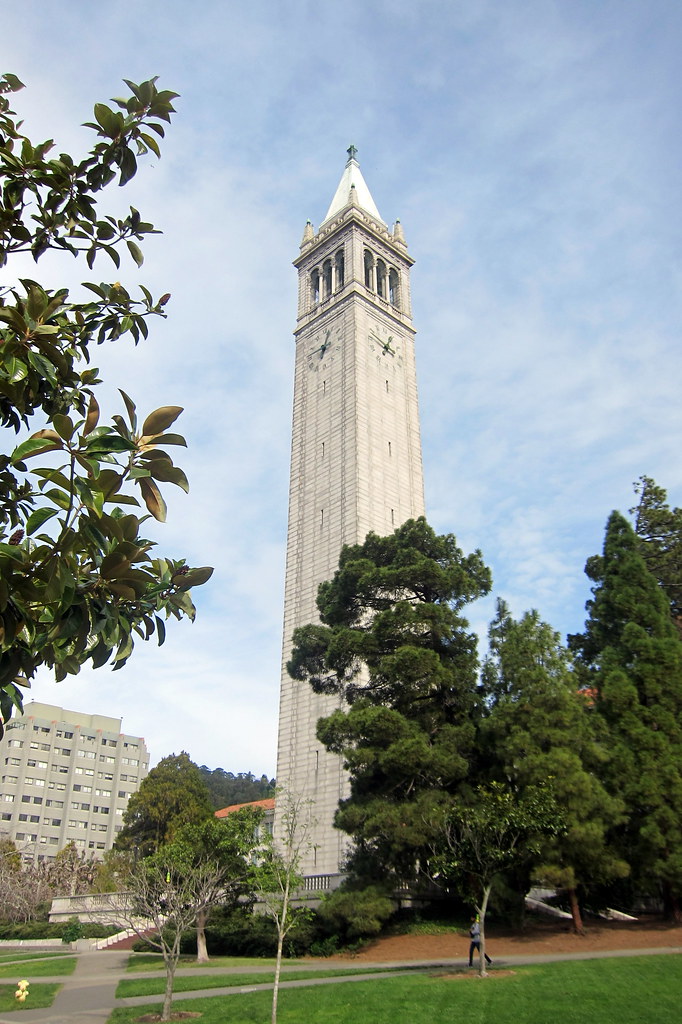 In the midst of all this, in the midst of the the waves of tyranny and lockdowns and mandates, I have been noodling my next novel, collecting stories and ideas and characters as though I were a bus meandering through town. The theme that rises to the surface of my distracted mind is silence. The silencing of speech. The silencing of thought. The silencing, at the end of the day, of music, of sound, of bells, church bells. There are few bells left in our area, few bells allowed to ring. The UC Berkeley campanile still chimes, however, a block from our chapel, and sometimes I pretend they are church bells. But they are not. They glorify the religion of academia, the religion of woke, the religion of silence. How ironic. There was a time once, not so long ago, when academia meant free speech and productive debate, diversity of thought as well as persons. Seems another era.
 The Epistle this morning was one of the most beautiful and heartening Scripture passages I know, found in St. Paul’s letter to the church at Ephesus (today Kusadasi, Turkey). He writes that we must take on the whole armor of God:
 I’m not sure. But I can only do my part as best I can. I do indeed desire to be protected by the entire armor of God – truth, righteousness, peace, faith, salvation, and God’s word, the sword of the Spirit.
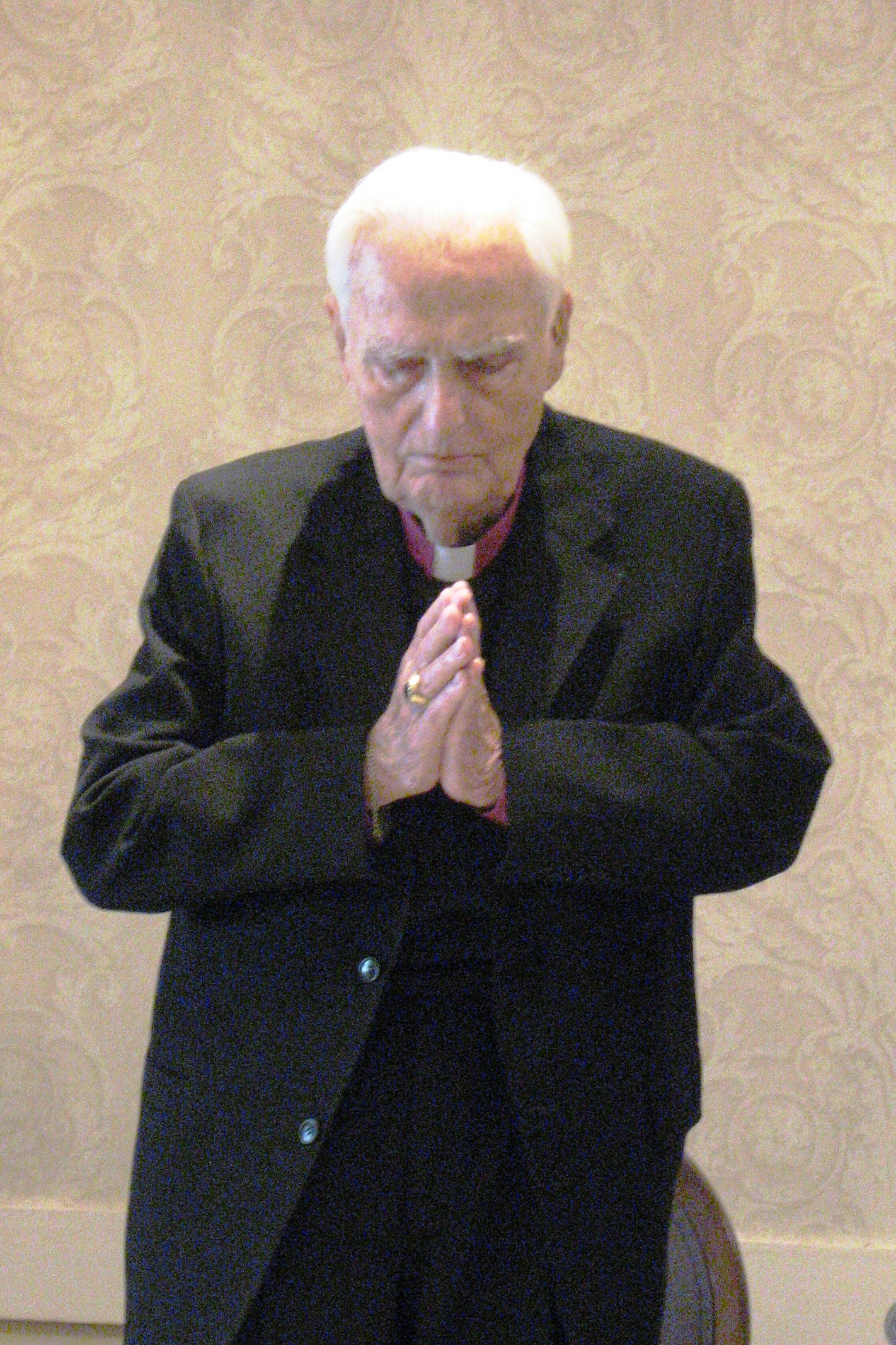 My bishop of blessed memory, the Most Reverend Robert Sherwood Morse, often said he was a person of Reality. He was interested in the truth and nothing but the truth. He was unafraid to embrace Reality and called on others to do the same. For only by being honest about the world around us, and the world within us, can we be sane. Other versions, versions made up or twisted at the command of feelings and personal desires – those unreal fantasies of the world and of our own souls – lead to insanity, the devil’s delusion, Lucifer’s triumph.
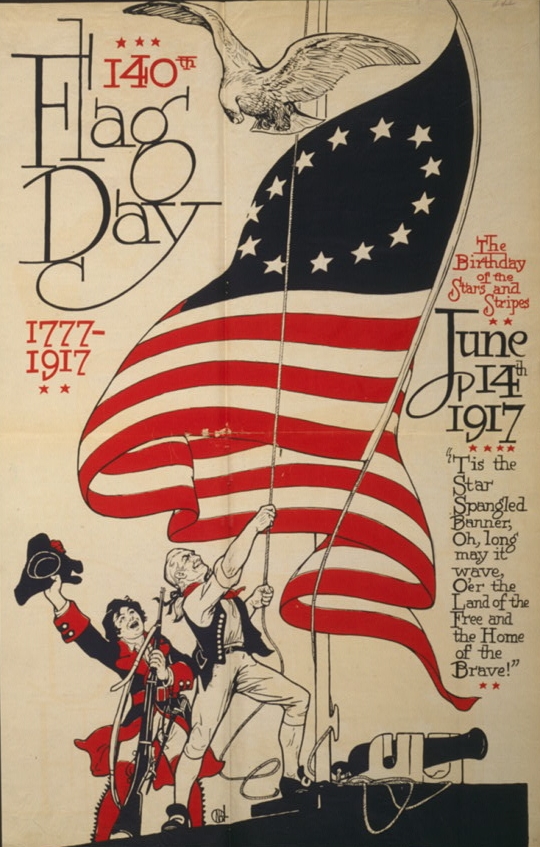 And so the Founders understood, being grounded in the Judeo-Christian tradition, that these human foibles were to be guarded against, and they instituted checks and balances upon all institutions of power.
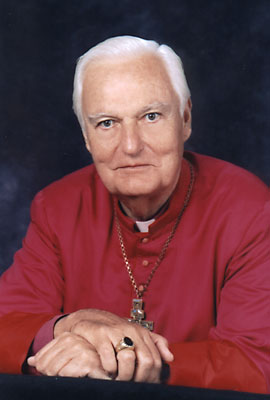 And yet, my bishop of blessed memory also often said, all is Grace. I believe he meant that the action of God’s Grace upon each one of us, upon school boards, upon America, upon the world, has the power to change minds and hearts and even to heal the blind to see, to see Reality. And if not, if we as a people are indeed no longer opening our hearts and minds to the Grace of God, then so be it. Some of us shall continue to witness to the truth with our words and with our votes as best we can, knowing that Grace envelops us, leading us Heavenward. For in Heaven we will sing with the angels and the saints, the ultimate Reality.
 Christine Sunderland
