
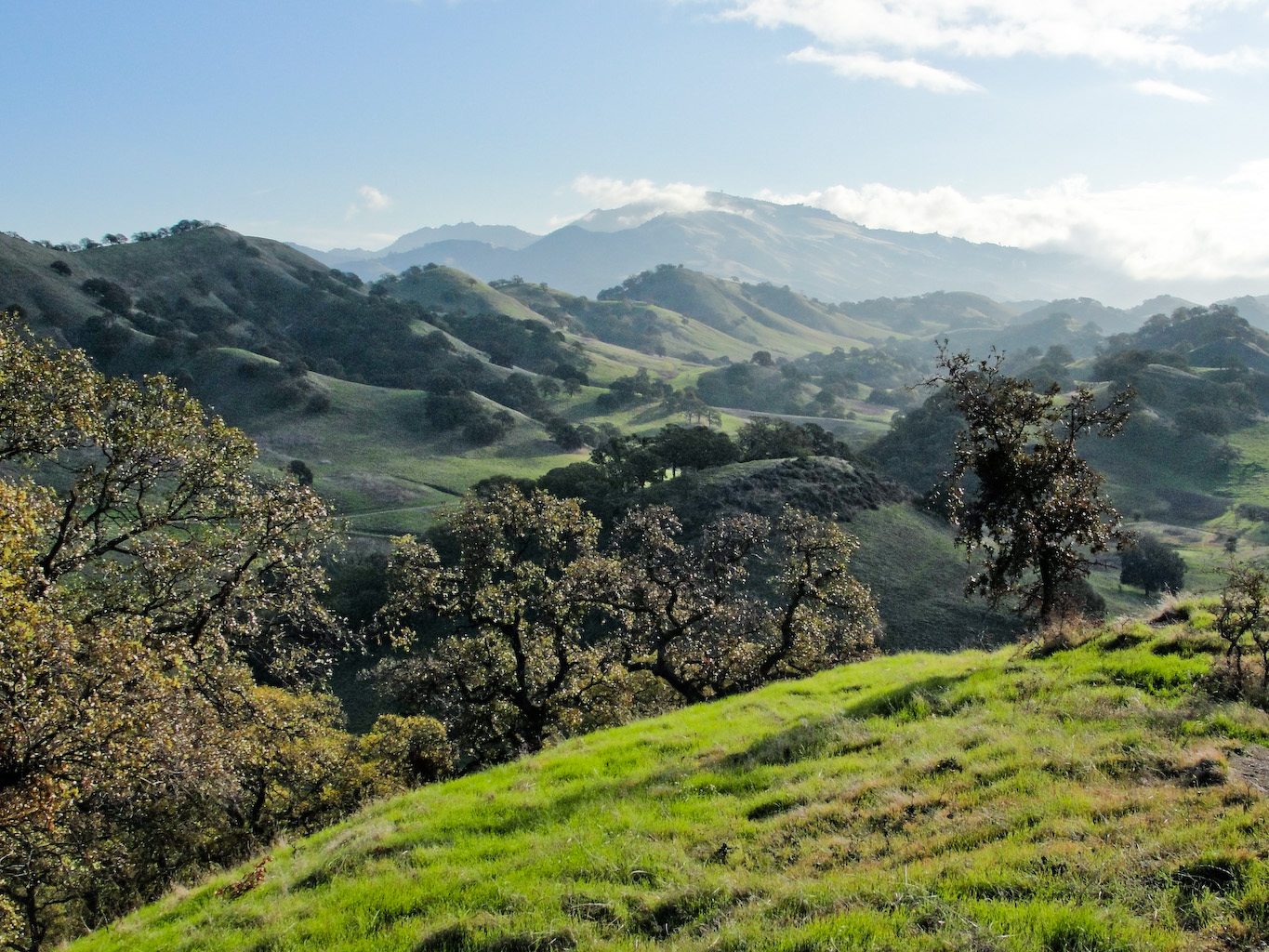
It is as though the natural world were waking to spring, after a long slumber. The oaks are full and rustling in the breeze outside my window. It is as though they were saying “shush…” slowly and sleepily, listening to the breath of life blowing over the land. The branches dance and wave gently, their leaves absorbing the sun, raised open to the light.
The world is waking up.
So too, we humans sense the change. We yearn for the light, for something greater than we are, for the good, the true, and the beautiful.
We are told to watch and wait for the second coming of Christ. Is it soon? The disorder in the world cries for order, for a loving order, one which frees us to fly. But the wars and the rumors of wars, the false prophets, the flippant lies told without care – all these things point to Christ’s coming. In our lifetimes? Perhaps. Perhaps not. We do not know and perhaps it is best we do not know but must be ready.
The borders of our nation are porous and illegals and the unvetted pour in. Prisoners convicted of violent crimes roam and threaten California communities. The borders of our lives, of our safety, are no longer holding.
Our children are taught to hate our country, to welcome its destruction, to agree silently to the silencers, to be afraid to be free, to speak.
And yet the breeze of life blows over our land. Parents organize. Truth-tellers publish. Freedom, so fragile, catches its breath in fits and starts as we the people awake to our imprisonment.
Pastors and priests preach truth once again, bolstering flocks with Christ. They feed souls with Scripture, Sacraments, and creeds. They heal minds with meaning, with the whys and wherefores, building strong arks of peace in our souls before the floodwaters rise.
And so, as we tuned into our virtual liturgies in Illinois (1), Arizona (1), and California (4), we were flooded by God, by his power, by His voice, by the song He sings to us.
We sang our thanksgivings for life itself, for the natural world awake around us, the planet that spins in a galaxy finetuned second by second to nurture and keep us safe. We marveled at the stunning nature of nature, its infinite complexity. We plunged into the sea of understanding that gives order to our daily crises. We were called to recall who we were, are, and ever shall be, uniquely loved by our Creator, individually and as a living part of Christ’s Body.
For a few hours this fourth Sunday in Eastertide, we considered the words of St. James: “Every good gift and every perfect gift is from above, and cometh down from the Father of lights, with whom is no variableness, neither shadow of turning.” We learn that God made us by speaking a word upon the cosmos. We hear that we trust this Creator who is our Father and who is light, who is ever faithful in His care for us. We see that we are to “receive with meekness the engrafted word, which is able to save your souls.”

It is all true, we think. It is truly true, that as members of the Body of Christ we are part of His vine, His taproot into life. We grow in this life eternal as the word is grafted onto us. We must be meek to receive; we must repent; we must love. We must listen to our holy ones who are true and good and be deaf to the unholy who are false and evil. The engrafted word in Scripture and Sacraments enlivens us to face the roaring lions eager to devour.
We wake to this Spirit that moves among and within us. There will always be troubles in the world, always be plague and heartache. We are the blessed ones, to understand what it all means, to choose a path through a forest of danger and doubt. The Lord is our Shepherd. We fear no evil. Surely goodness and mercy shall follow us all the days of our lives, and we shall dwell in the house of the Lord forever.
We sang with all our hearts the recessional hymn in the Berkeley chapel:
Praise, my soul, the King of heaven;
To his feet thy tribute bring;
Ransomed, healed, restored, forgiven,
Evermore is praises sing:
Alleluia! Alleluia!
Praise the everlasting King.
Praise him for his grace and favor
To our fathers in distress;
Praise him still the same as ever,
Slow to chide, and swift to bless:
Alleluia! Alleluia!
Glorious in his faithfulness
Father-like he tends and spares us;
Well our feeble frame he knows;
In his hand he gently bears us,
Rescues us from all our foes.
Alleluia! Alleluia!
Widely yet his mercy flows.
Angels, help us to adore him;
Ye behold him face to face;
Sun and moon, bow down before him,
Dwellers all in time and space.
Alleluia! Alleluia!
Praise with us the God of grace!
(H.F. Lyte, 1834, based on Psalm 103)
 It seems at times, that time stands still, in this weary world of Chinese Flu, extreme lockdowns, and punishing masks. For children, the costs are horrific and ongoing here in California. For young adults, suicides are on the rise. For the rest of us, fear hovers and shades our every move, every social gathering, every event. We wonder if freedom is bound and captive, if speech is silenced, if elections are rigged, if justice is bribed or threatened, if truth is honored, if reality is real. We wonder if America is imploding, if churches will go underground.
 Today, Sunday, was especially blessed, and I was made especially glad. For from the dark jungle of the week’s rioting and untruths, I entered a space of peace and truth.
 Knowing that we are a part of the Body of Christ, branches of the vine going back two thousand years and living today, gives us hope that we need not carry the world upon our shoulders. And yet, if we do not abide in Christ, if we are not a branch of His Vine, manifested in the Church, we will not bear fruit and we will be lost.
 And so we pray and we praise and we read our Scripture. We open our eyes and our ears and bear fruit for Our Lord. We call upon Him to lead us in all truth, in all love, with His vision in our hearts and souls, always remembering we are branches of His vine. He is our life. We need only look to Him first in all things.
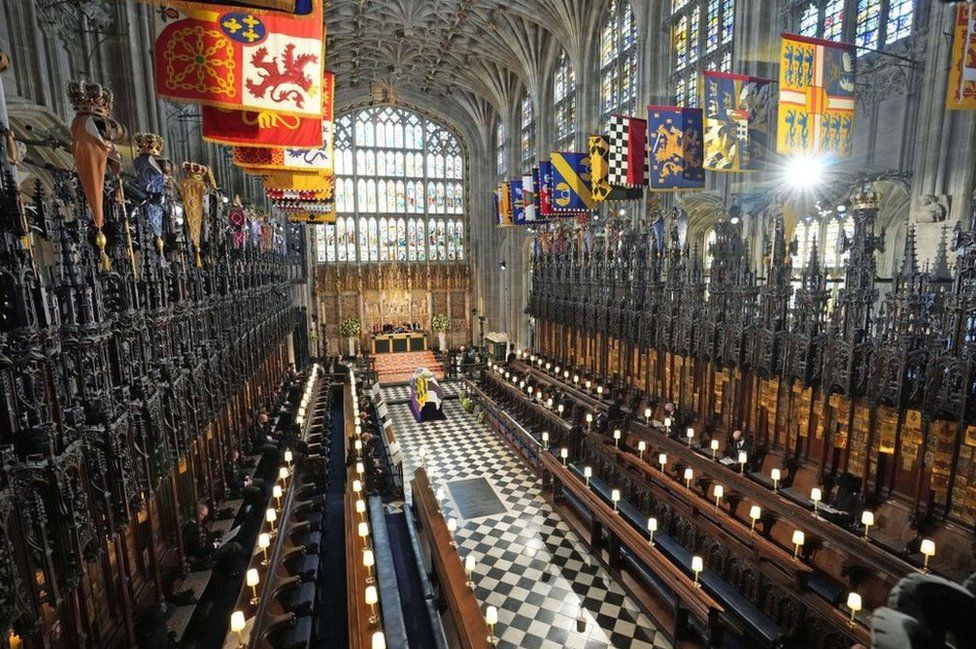 As American democracy stumbles into the second year of fear and pandemic, we look to stable and true leaders. Thus, Prince Philip’s death has sounded a mournful note in the hearts of many.
 And today, Good Shepherd Sunday, we heard the powerful Gospel of Saint John, quoting Christ Jesus. Our Lord tells us that He is the Good Shepherd who gives His life for the sheep. He knows us, and we know His voice. He protects us from wolves who scatter us. One day, Our Lord promises, there shall be one flock and one Shepherd, for all those who know His voice will be brought into his fold.
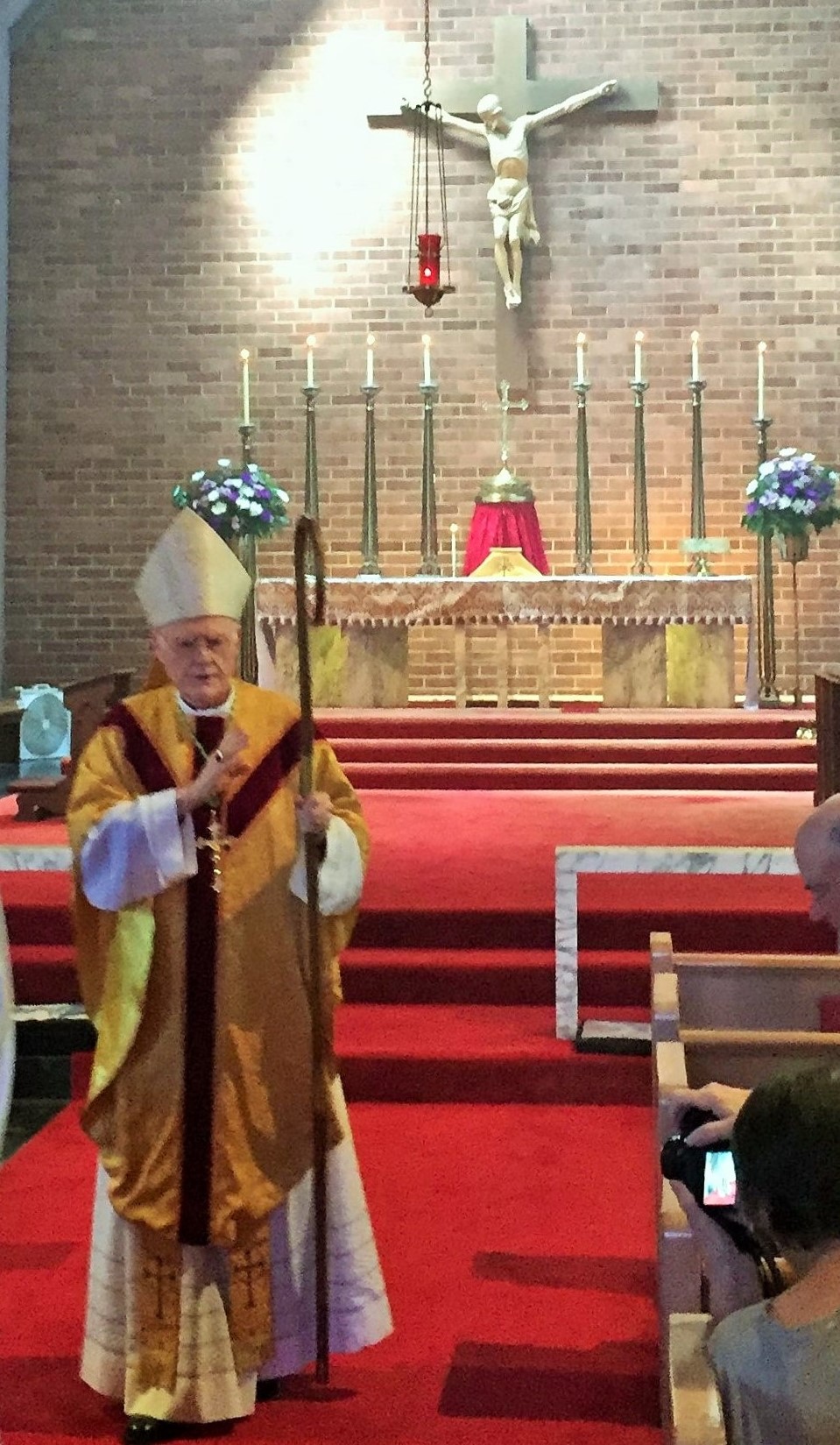 Our Diocese of the Western States, Anglican Province of Christ the King, will be consecrating a new bishop this week. Bishops carry a crook, or staff, for they are shepherds, looking to bring in the lost, to teach the saved, to be pastors and priests to the clergy in their charge. They watch for wolves who devour and divide. They tell the truth about man and God, about who we are and who we are meant to be. They comfort us with historic, witnessed, creeds and doctrine. They give us opportunities to be shepherds. They teach us
 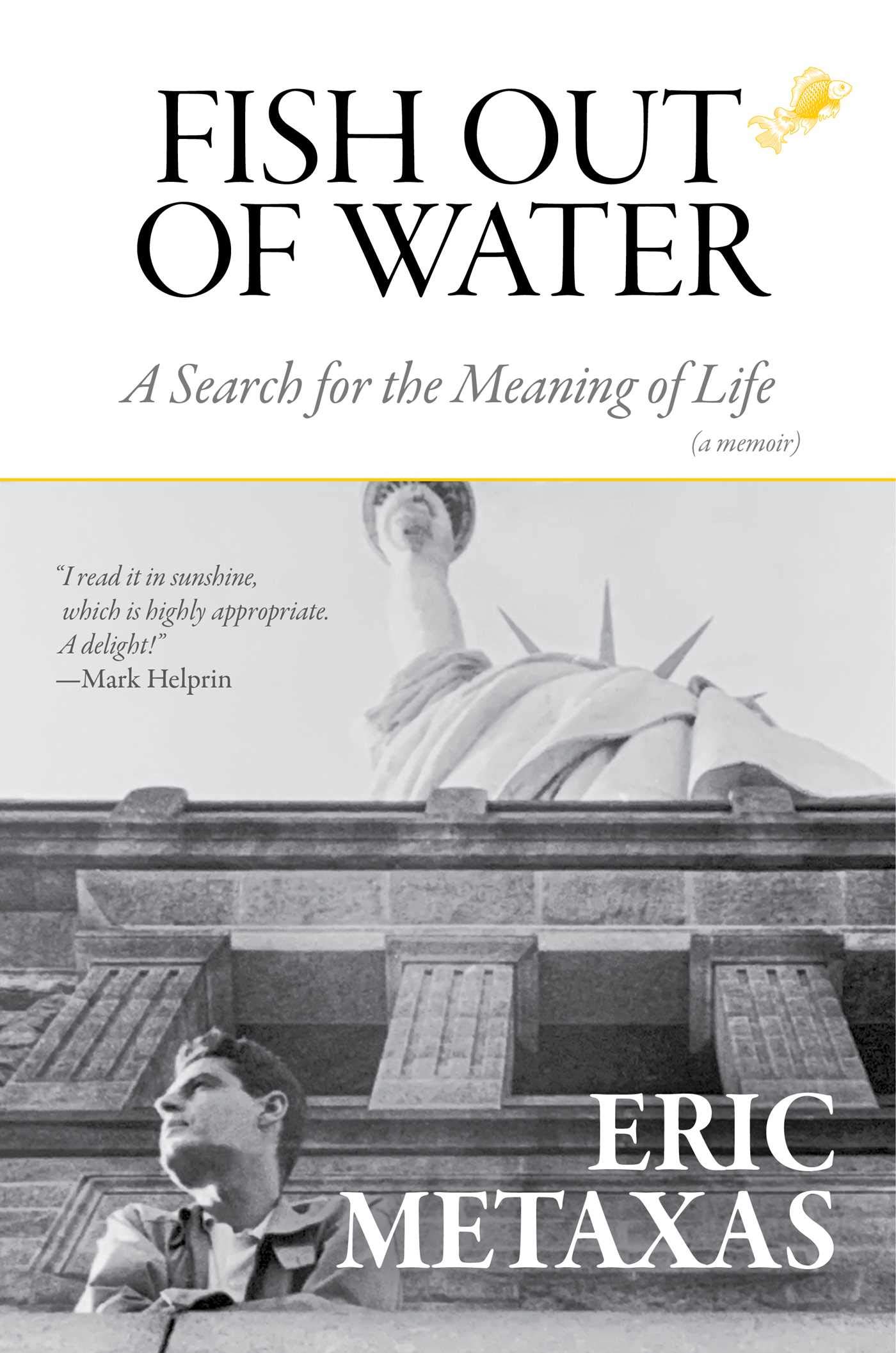 I recently read a remarkable memoir, Fish Out of Water, by Eric Metaxas. It is told in an informal conversational style, full of anecdotes of his growing up in the Greek Orthodox community in Danbury, Connecticut. One of the threads or themes particularly resonated with me.
 With these thoughts running through my memory of the week, this morning’s Gospel sounded a sweet note. For as the resurrected Christ appears to the fearful disciples, he says, “Peace be with you.” This phrase is repeated throughout our eucharistic liturgy. In some Roman Catholic parishes the peace is passed one to another in the pew, with a handshake or a nod (maybe not presently with the pandemic). These words remind us of the great reward of being claimed by Christ and of our claiming Christ: peace.
 The Epistle lesson today was almost harsh. St. John writes, “He that hath the Son hath life; and he that hath not the Son of God hath not life.”

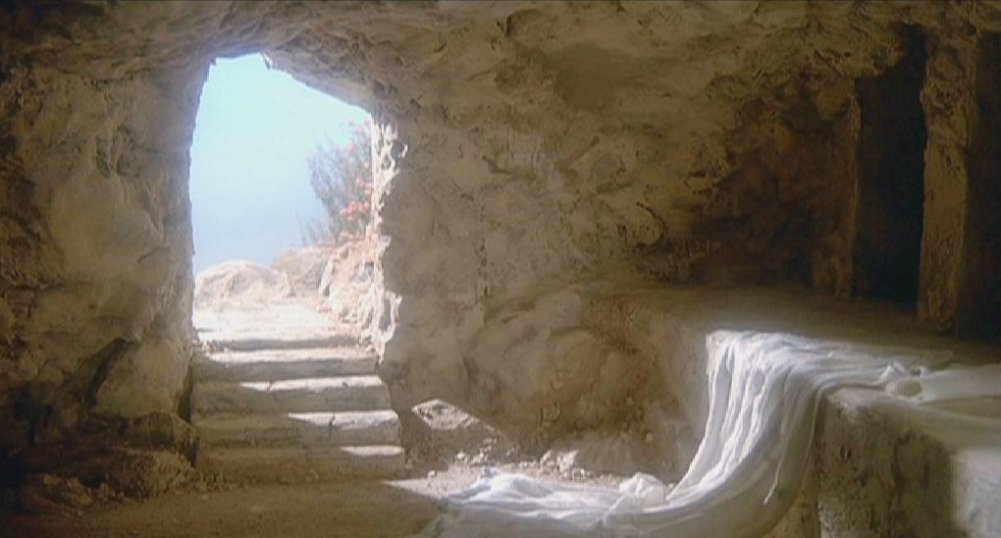 “Christ is risen!” the faithful cry.
 We do not know what to think… and they do not know the Scriptures.
 Today is Palm Sunday, the beginning of Holy Week leading to Easter. It is a grand, serious, and holy drama in our part of the Body of Christ on earth, played out in liturgy, song, and prayer. We tell the story of Jesus the Christ entering Jerusalem to the cry of Hosannas and the strewing of palm branches as he rides on a donkey through the city gates. Our parishes once acted out this holy week with daily liturgies leading to the Triduum, the three days before Easter. Then on Maundy Thursday we celebrated the Last Supper, when Christ gave the Church the gift of himself in the Holy Eucharist. On Good Friday we mourned as Our Lord was crucified on the cross of Golgotha, the “place of the skull.” On Holy Saturday we prepared for Easter and the transformation of the sanctuary from purple shrouds to white lilies on the altar. Easter Eve was often a celebration of the first Easter morning, candles lighting the dark of the nave. Easter Day was resurrection day when children flowered a white wooden cross at the chancel steps.
 And so it was with particular joy that I realized my great grandfather Nicholas Nelson was a devout believer. I have inherited a number of anniversary mementos, silver with “N to C” engraved in swirling cursive letters. The most cherished of these mementos, however, is a plaque designed by Nicholas for Christine for their fiftieth wedding anniversary. He writes in careful printing, framed by leafy tendrils on parchment:
 For as we tell this old story of God incarnate two thousand years ago and His great acts of redemption, we remind ourselves and our world that this is an ongoing, present-day story of God incarnate. Each year we process and wave our palms and sing “All glory, laud and honor/ To thee Redeemer, King! /To whom the lips of children/ Made sweet hosannas ring.” (#61) Each year we act out the drama of His crucifixion and resurrection and His offer of salvation from death, His offer of eternal life to each one of us, His beloved children. Death is no more, conquered by the love of God.
 It has been said that America is a nation of immigrants. Why did they come here? Why do they continue to come?
 My family immigrated from Norway and I have recently been researching some of the details. Each fact carries within it another question, why this, why that, what caused them to leave and come to America?
 Martha Christine (photo to the left) married Nicholas Nelson in Chicago in 1892. Their three children were born in Chicago in the years following. But at some point they left for Denver. Why? Nicholas, like his brother-in-law Ole Gullicksen (see earlier blog), founded a company in Denver.
 I have cobbled this story from bits and pieces and welcome family members’ corrections. As a novelist I am fascinated by human character, the depth and variety of created humanity, no two persons alike. As a Christian novelist I am fascinated by conscience, formed and informed by Christ. When this fiery spirit resides within, it burns brightly and enlightens our decisions. When this spirit is put out or ignored or denied, choices are made in moral darkness, with only concern for the self.
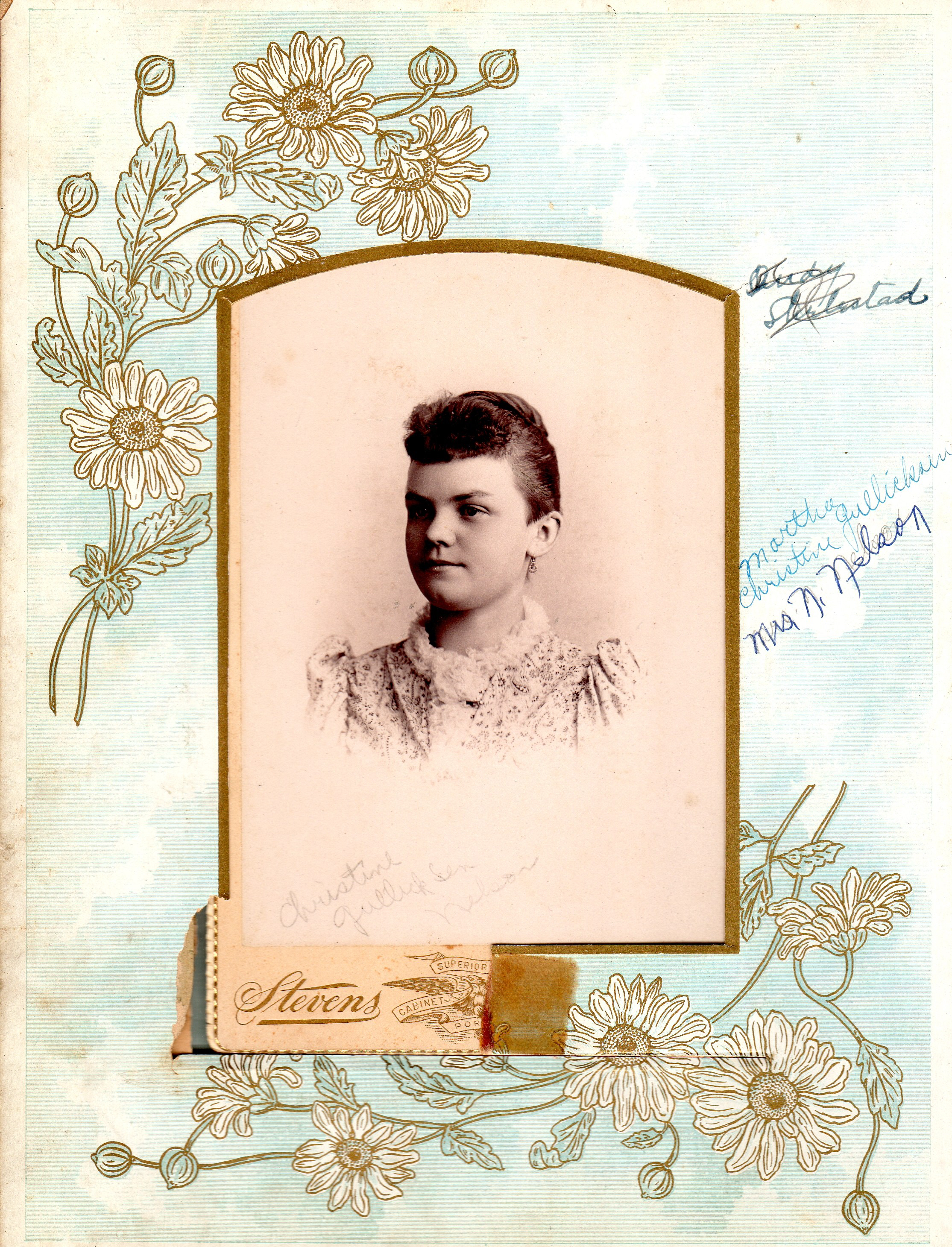 As I was gazing upon some old, framed photos of ancestors on one of my bookshelves and quizzing myself on their names, whether they were the English or Norwegian branch, I noticed some volumes of autobiography near the photo of my great grandmother, Martha Christine (Gullicksen) Nelson. They were slim volumes, about 4” X 6”, hardbound dark blue, and titled Little Masterpieces of Autobiography. The first of four volumes was subtitled Greatest Americans and included Washington, Jefferson, Hamilton, and Lincoln. The volume was edited by George Iles and first published in 1885, but this edition was dated 1925, published by Doubleday, Page and Company in New York. They were part of a collection given to me by my grandmother Helen Christine (Nelson) Martin (1896-1994).
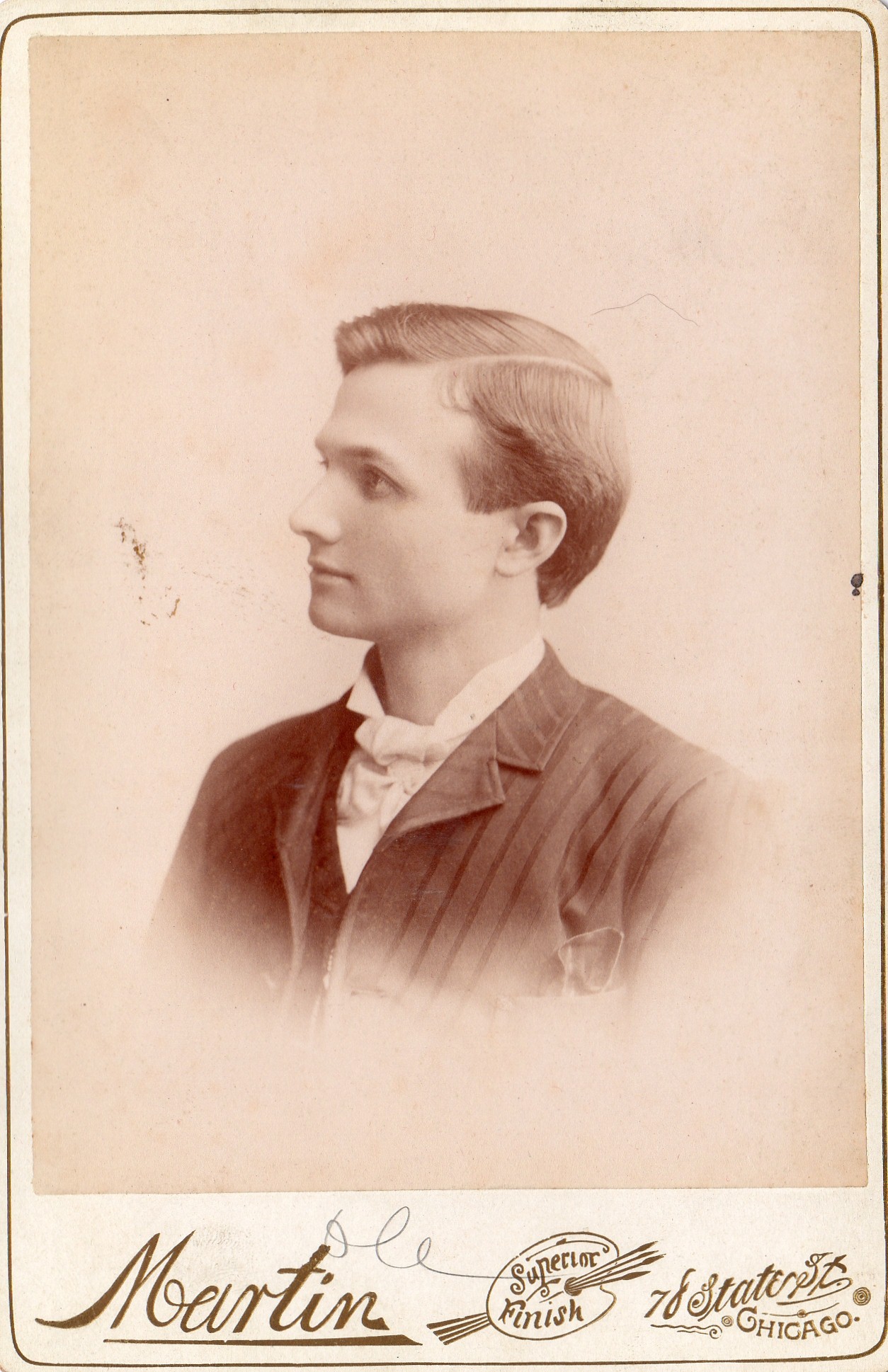 I had heard via family lore that one of these ancestors founded a furniture company in Chicago. I opened an old file where I had placed bits and pieces given to me over the years, notes and jottings penned by my grandmother Helen Christine and my great grandmother, Martha Christine. From these bits I learned that Martha Christine’s brother, Ole Gullicksen (1867-1948), founded the Churchill Cabinet Company in Chicago in 1904.
 Looking at these Norwegians that came before me enriches my life today. I know there are many other strands from other countries that wove together to make me me, and I marvel at God’s intricate and beautiful (if also mysterious) ways. These threads of life continue into the future, and I smiled when I saw that my grandson is attending a college not far from Churchill Street: Wheaton. When I saw Naperville nearby, I recognized it was the location of one of our APCK (Anglican Province of Christ the King) parishes, All Saints.
 In the Gospel reading assigned for today, Our Lord’s words rang especially true: “
 As an Anglican, I have been part of congregations of mixed race and heritage. The Anglican Church, stemming from Britain and her Commonwealth, was and is a universal church, finding its way to Asia, India, Africa, and the Americas. We have members and clergy from all parts of the world. The native culture learned English as well as the Gospel message of salvation, but Bibles were translated into their own language as well. All this continues.
 Christians understand freedom and its importance to practicing their faith of freedom. We have sent missionaries to their martyrdoms for centuries in the name of the faith and in the name of freedom to practice that faith. We understand objective truth and are attuned to slippery lies. We are trained in logic through theology and apologetics (even the Nicene Creed), in language through Holy Scripture, the ultimate Word, and in joy through experience of the holy, the divine, the eternal in sacraments, liturgy, and prayer. We understand the nature of love and its expression, sacrifice. We submit to Love’s demands in the Ten Commandments, the cardinal virtues, the fruits of the spirit, the Beatitudes. Amidst the chaos and suffering of this world, we see a greater good and we look to a greater Love when Christ leads us into the Holy City, the New Jerusalem. We know and grow to fully understand that this life is but a prelude to one of immense joy, but also justice.
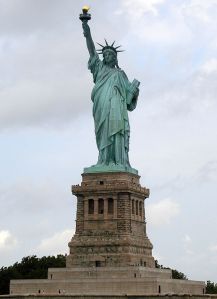 We are told by powerful interests that speech must be controlled. This is not our way. This is not the way of artists, of writers, of painters, of musicians. This is not the way of beauty. This is not the way of celebrating the sanctity of every person made in the image of God.
 Christine Sunderland
 Christine Sunderland