
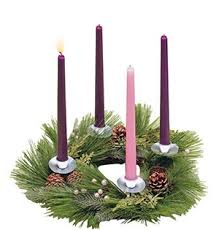
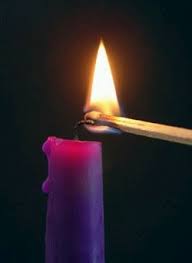
 I found the three purple candles and one rose candle in a box of old Sunday School supplies. I unwrapped them, pulling them from clinging cellophane and gently pushed their bases into a circular holder. I next stepped outside into an icy breeze and snipped greens from a fir we planted twenty years ago. I wove the bits of greenery around the candles and set my Advent wreathe in the middle of our dining table.
Today is the First Sunday in Advent, the first of four Sundays that prepare us for the first advent of Christ Jesus in Bethlehem. On these four Sundays it is traditional to consider the four last events of man: Death, Judgment, Heaven, and Hell. In this way we prepare for the second advent of Christ Jesus upon this Earth, when a New Heaven and New Earth ushers in the Kingdom of God. In this way we prepare for our own death, face our own mortality.
It is a serious time, with serious themes, and particularly appropriate to our world today, our world of pandemic, unrest, division, and unbelief. It is a time for prayer, and Americans are lifting their voices, praying for our country, praying for protection from the violence in our streets, the violence on our campuses, the violence in our hearts. We pray for peace. We pray for freedom.
And so, today our preacher considered Death, the first theme.
It is a subject we hide from, as can be seen in the modern American rituals of death, the whisking away of the corpse to be cremated and no longer considered, the memorial service replacing the Christian funeral rites. Yet death comes to all of us, often with little warning. We do not know the hour or the day or the year we will journey into another world.
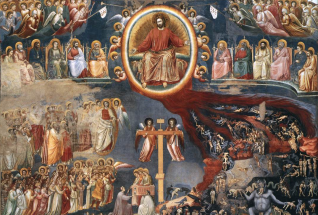 As our preacher mentioned this morning, all we know about where we are going when we die is what we have been told by the one who has been there and returned: Jesus of Nazareth, who died and came back to life. Witnesses testify that this itinerant preacher, onetime carpenter, performed miracles of healing and resurrection from the dead. This Jesus, as recorded in the Gospels by contemporaries, informs us that Heaven has many mansions – rooms – prepared for us. He tells us to be not afraid, for He is with us always, even unto the end of the Earth.
Advent is a cosmic, cold and wintry time, a time of watching for the coming of Christ not only in Bethlehem, not only in the last days, but in our hearts. We are told that the Son of God wants to abide in us: we in Him, He in us. He loves us. He desires to be with and within His creation.
This year the Advent Season is also a time of great fear in our land, fear of the unknown, fear of this virus that robs our breath and clings to our cells in unknown ways, fear of death following close on our heels. Some have said after months of battling the fear of the pandemic, and the pandemic itself, through questionable lockdowns, masks, and distancing, our fears have become a virus as well, worse than the Chinese Flu. Fear has shuttered shops and eateries and inns, theaters and sports and gyms. Fear has denied workers work, worshipers worship, and the worst of all, denied the dying their family and friends.
 Also this year, the Advent Season in America is a time of cleaning up our elections, as though seeing that dirty windows needed washing. We are proving to the world that we have legal systems that help us clean up dirty elections, dirty voting. We are proud of our democracy, our electoral system, and will not allow excess dirt to bury it. We will not succumb to bullying and extortion. But we are also a loving, trusting people, so we often allow the systems to clog with grime before we decide enough is enough, and we decide to clean our house. This is that time. This is that year of wintry cleaning in Advent.
And so the Christian world pauses for a brief moment in the midst of battle to reflect on where we are today, where we have come from, and where we are going. We pause to clean out our own hearts as well, our own houses with our own dirty windows. We confess. We repent. We accept forgiveness. We invite the Lord of Lords into our hearts as we consider the mansions He has promised for those who repent, for those who choose Him, choose Love, choose Truth, choose Life, choose the only Way through the cross.
Advent prepares us for these great events, these four last things that we all will face. Alongside, in our prayers and our words and our testimonies, we will suffer with the nation as the nation suffers, we will uphold her freedom to worship and assemble peacefully, and we will shine a light on the great sin of our time, the ongoing genocide of the unborn, every minute of every day. We will walk the Way, with the Truth, and the Life, into the Light.
 For we are told, again and again, that Jesus is the Way, that no one sees the Father unless through Christ himself.
Christians are unafraid of fear, for we have faced the ultimate fear, our own death. We have embraced the antidote to the virus of fear, Christ and his promise of eternity.
And so we walk the Way to Christmas, to Christ’s first advent in Bethlehem. As we light that first candle tonight, we pray, Come Lord Jesus, Come.
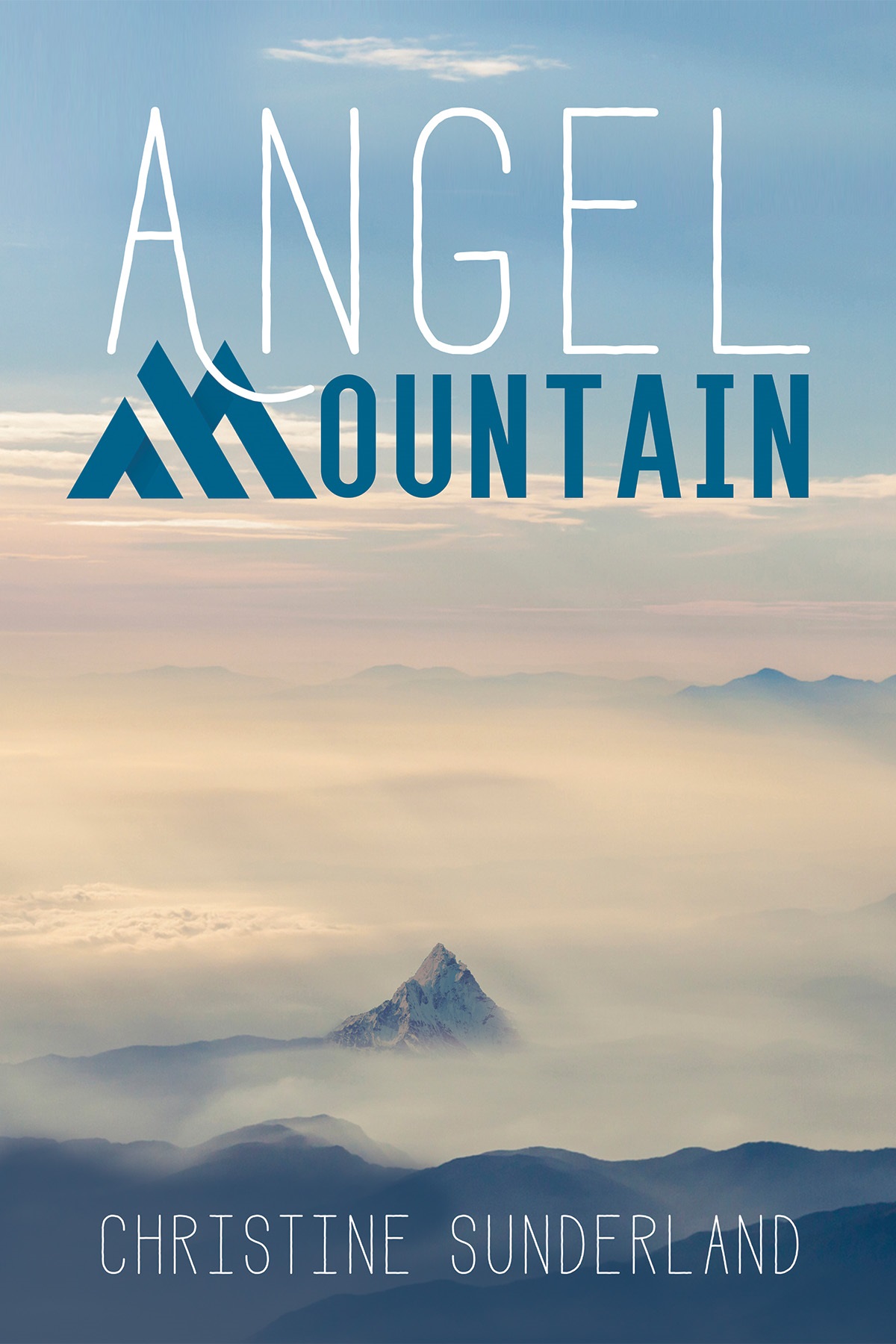
 I am thankful for my latest novel, Angel Mountain, a story about the state of Western Civilization, Intelligent Design and Evolution, faith and science, cancel culture and free speech, Heaven and the Apocalypse, true history and the Holocaust, the sanctity of live and human dignity.
  I am thankful for President Trump and Operation Warp Speed, for his devotion to our country, for protecting us from threats within and without, for his epic heroism.
 I am thankful for our tabby cat Laddie, who climbed the ladder to Heaven, who shared his time on Earth with us; for animals and plants and colors and seasons; for wind and rain, for stars and planets, for day and night, for the sun and the moon, for apples and pears, for plentiful harvests, for
  Today is Stir-up Sunday, the Sunday next before Advent in the Christian calendar. It is called this because of the opening prayer
 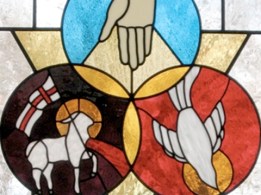 We often need stirring up, for we are a joyful people and prone to complacency in our joy. We have answered some of the great mysteries of life, the whys and wherefores, the whats and whos, the whens. We know we are fallen, but we know the remedy. We have a deadly virus, but be not afraid, for we have the antidote. We are under sentence of death in the cosmology of Heaven’s justice, but we know how to commute that sentence through repentance, through the death and resurrection of Christ, the Second Person of the Holy Trinity, through touching the hem of His garment and carrying His cross. We are at peace, for we have immense meaning in our lives. More than that, our lives embody meaning, every breathing moment adding to the total of that meaning, for nothing is lost and everything gained. Nothing is wasted.
 It is this wholeness of life, this holiness of life, that the Christian owns, that the Christian can claim for his or her own. It is a vast fortune, and we claim it to be ours. It is an inheritance my hermit Abram speaks of as he preaches and baptizes from a rocky ledge to the pilgrims in the grassy meadow below. It is a theme of my recently released novel, Angel Mountain, this joy, this grace given.
 And so in St. John’s account we see the economy of Heaven: the vast and the microscopic, the immortal and the mortal. The Lord of the Universe sits on a hillside and receives a basket of loaves and fishes from a little boy. We are given concrete details: the people are to sit; there is grass to sit upon; Jesus gives thanks and distributes the loaves and fishes, feeding them all. It was a miracle of creation repeated, multiplied, a down-from-Heaven-to-Earth miracle, an intersection of eternity into time.
 But many are praying that true truth is told by those who do the telling. As evidence is amassed in numerous court cases litigating recent election practices, we pray that light lights up the dark, forces the lies to emerge from the shadows so that we can truly see.
 I was meditating on what to write this afternoon when I received an email from a friend in one of our parishes. Did I have a recommendation for where to order personalized Bibles as gifts for Confirmation?
 “The salutation of Paul with mine own hand, which is the token in every epistle: so I write.” (2 Thessalonians 3:17-18, KJV)
 Handwriting. Signatures. Fingerprints. Faces scanned.
 “WE receive this Child (or person) into the congregation of Christ’s flock; and do *sign him with the sign of the Cross, in token that hereafter he shall not be ashamed to confess the faith of Christ crucified, and manfully to fight under his banner, against sin, the world, and the devil; and to continue Christ’s faithful soldier and servant unto his life’s end. Amen.” (1928 BCP, 280)
 “ALMIGHTY and everliving God, who hast vouchsafed to regenerate these thy servants by Water and the Holy Ghost, and hast given unto them forgiveness of all their sins; Strengthen them, we beseech thee, O Lord, with the Holy Ghost, the Comforter, and daily increase in them thy manifold gifts of grace: the spirit of wisdom and under-standing, the spirit of counsel and ghostly strength, the spirit of knowledge and true godliness; and fill them, O Lord, with the spirit of thy holy fear, now and for ever. Amen.” (1928 BCP, 297)
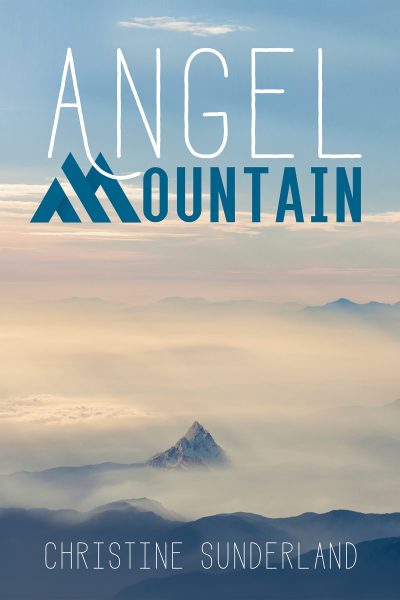 Dark clouds rolled in shortly after noon today and soon filled the big sky over and around our portion of Planet Earth. Then thunder roared and rain poured, as though the skies opened to pour their tears on our land. It was cold last night, and I gazed up to Angel Mountain (Mount Diablo) wondering if it might snow. An American flag flew in the distance in the brown grass, and, farther up the horse trail, the white cross stood sturdy, weathering the weather. We are nearing Veterans Day, the day in which my novel’s story opens, closing on Thanksgiving. In Angel Mountain, the skies are filled with thunder and lightning. The leaves are
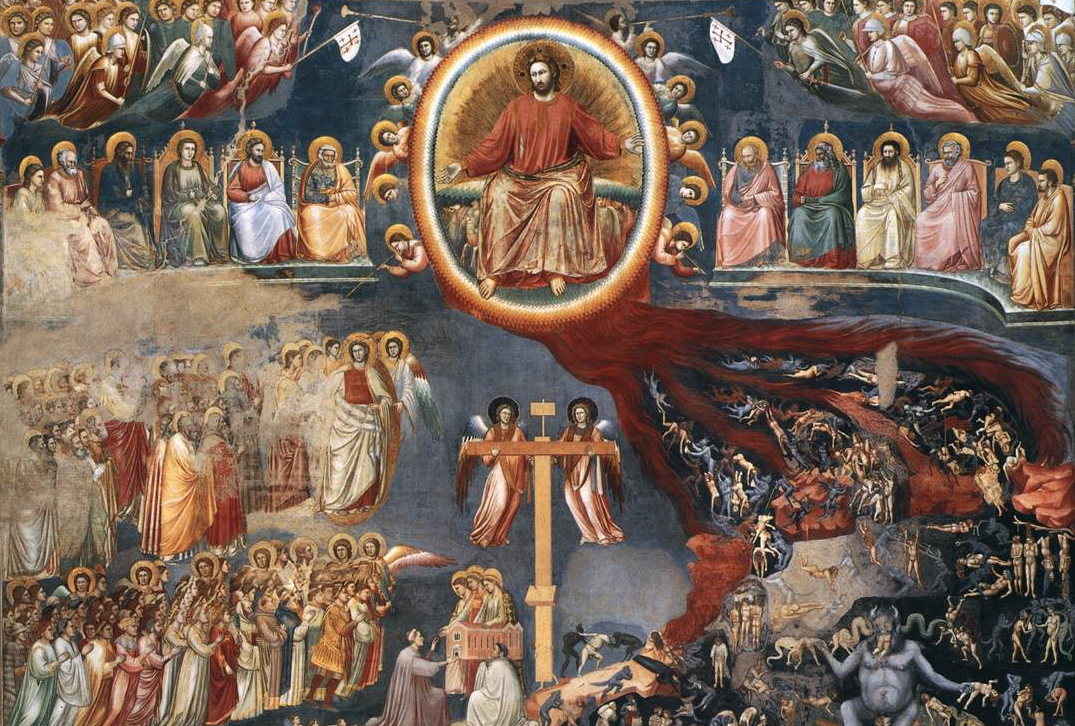
 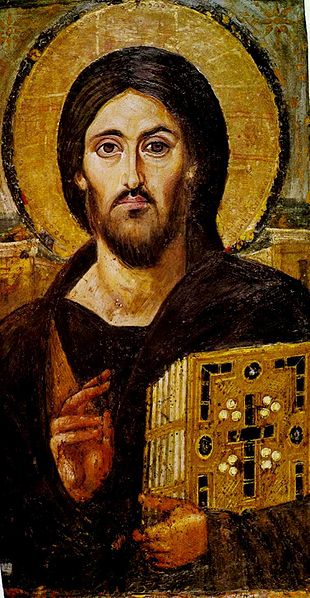 But beware. This means a personal judgment as well as a general one. Wheat will be separated from chaff (weeds), sheep from goats. For if there will be no more tears in the new Heaven and Earth, those who did not keep (and do not desire to keep) the Ten Commandments, the Law given to Moses and the Prophets, those who did not bear good fruit, will be cast into outer darkness. This is God’s justice, justly severe, as written in Holy Scripture.
 And so it was also good to hear the Gospel for today in which Christ explains forgiveness. We are to forgive our enemies, those who harm us or seek to do us harm. Forgiveness must come from deep within our hearts, through prayer and patience. We are told to love our enemies. Do good to those who persecute us. This does not mean that we embrace words and deeds of the lawless and the dishonest. We must be wise and not throw pearls before swine. But we prepare our hearts to forgive them when they repent. We do not hold grudges. With forgiveness we are free from this darkness. When we forgive, as seen in the prayer Our Lord taught us to pray, the “Our Father,” we will be forgiven in like measure.
 I ponder these holy mysteries – a soothing symmetry – as I watch history unfold on our national stage, today an international stage, watched by the peoples of the world with fear and trembling. America, for now, shines her light on the hill, a beacon lighting up the darkness, a promise of hope to all those escaping the terror of socialist regimes. For as long as honest debate is allowed, freedom thrives. For as long as free and honest elections are held, liberty is lauded. As long as we can speak without fear, live without fear, America will continue to shine her light from the mountaintop.
 The projections made by the media are projections, not elections. Let us pause and breathe deeply and pray for our country, for all her wonderful peoples of every race, creed, and background, born and unborn. She is a glorious melting pot, just like each one of us, a rainbow of colorful traits, treasures, and talents. She is the hope of the world.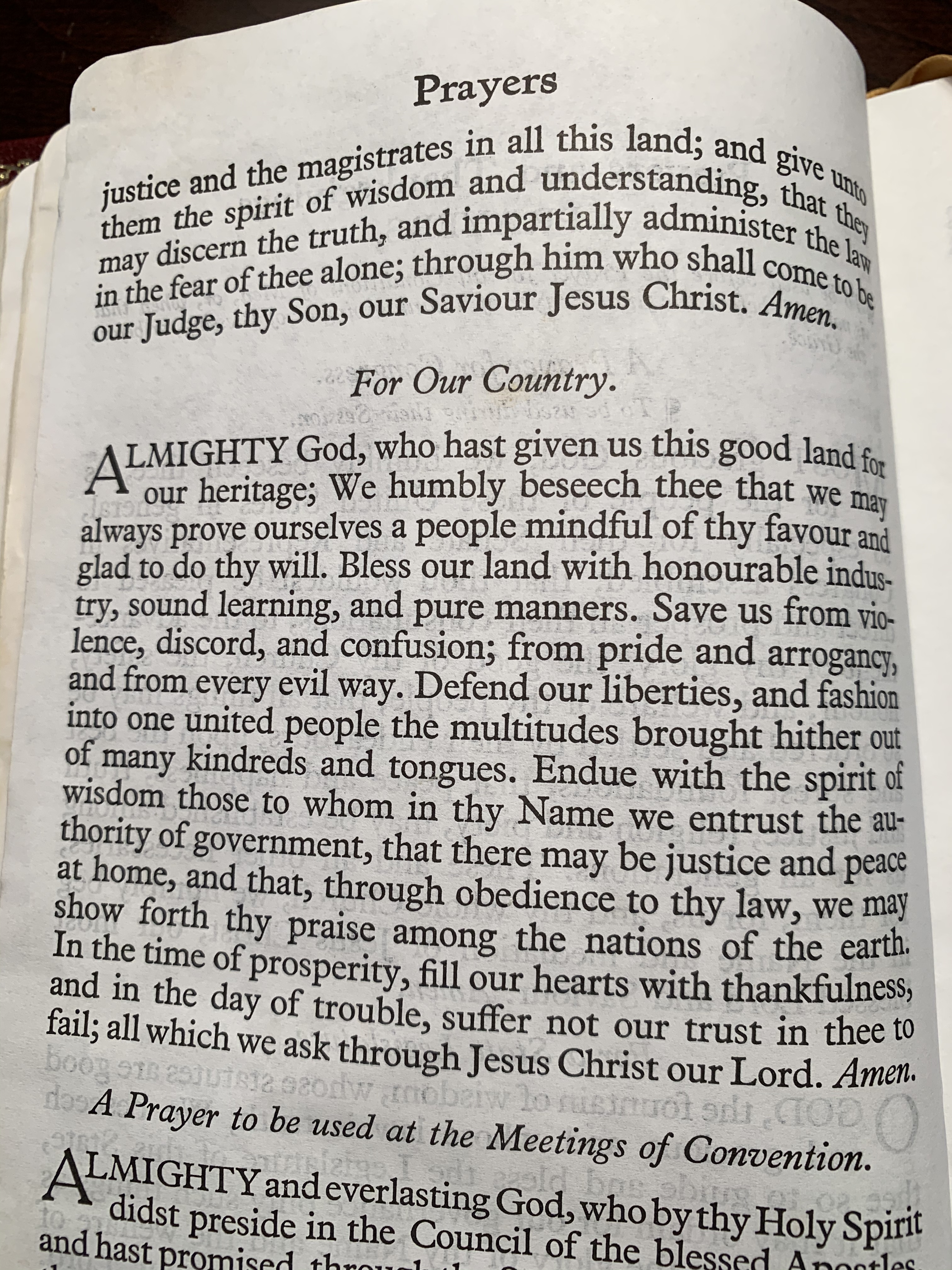
 I love America, and I believe her fortunes greatly influence the world’s fortunes. Many say that every election is heated, which to some degree is true. But never in our history have we had an election with such transparency. The ubiquitous smart phone has given every person a window into the character and habits of every public figure. This is historically new.
 And so we thank God for the saints past, present, and to come in these challenging times. We pray for our nation and our nation’s leaders. We pray for peace. We pray for freedom from tyranny, from socialism in all its forms, soft or hard. We remember Russia and China and Germany and Cuba and those who fled here for refuge (and continue to flee here), those who witness to the horror they experienced. We tell our history to our children – true history, our true past so that we can learn where we went wrong and how to do better. We pick ourselves up and dust ourselves off and gather together in prayerful thanksgiving and song:
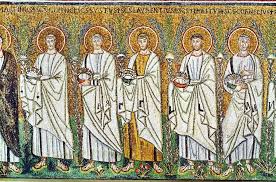 “For all the saints, who from their labors rest,/Who thee by faith before the world confessed,/Thy Name o Jesus, be forever blessed./Alleluia, alleluia!” (Hymn #126, words by Wm. Walsham How, 1864)
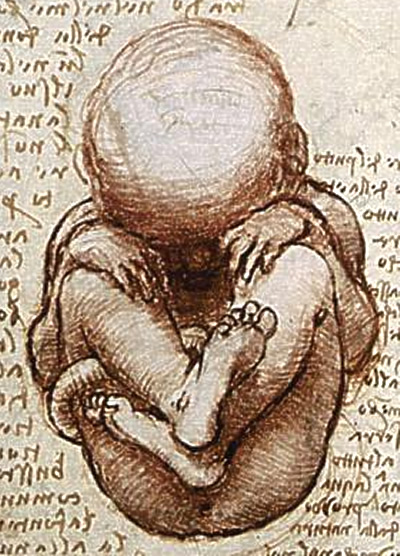
 I’ve spent a good deal of time this year sheltering with my icons.
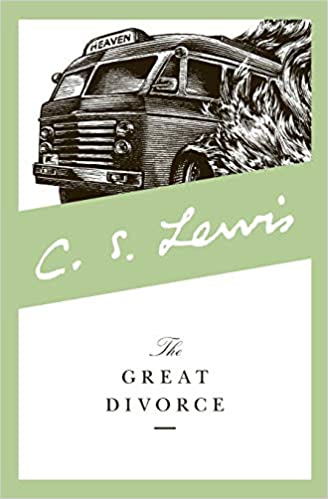 Do we want to experience life more fully, see colors more vividly, love with greater selflessness? We can if we become Christians and allow God to remold our souls, and often, bodies.
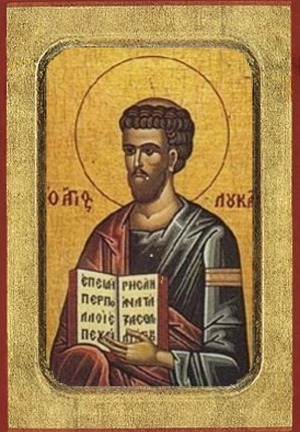 Today is St. Luke’s Day, and we recall and celebrate the evangelist who wrote the third Gospel. We heard about him today in our virtual sermons, but what I think of most of the time in regards to Luke is the Christmas narrative in Chapter 2. It is said that Luke received the account from Mary herself, and that he painted her image several times.
 chapel, full of pilgrims. We would enter, kneel in the back, and say a silent prayer of thanksgiving. The pilgrims were most often from other countries, and often from America, school children and choirs that have laced their Rome journey with a necklace of spontaneous song. It was a great privilege to experience this again and again.
 The Church has been given a magnificent patrimony in both faith and art, gifts that make reality more real. For by expanding our sight into another dimension, through words and image, we become closer reflections of the Divine. We are made in the image of God – every one of us. And we are pulled into this Divine Image by our own creation, by partaking of the sacraments, by breathing the Holy Spirit into our lungs as we breathe the name of Jesus, by sharing with others made in His image how beautiful each person is.
 We are in a time of great national peril, a time when these gifts may be threatened, a time when we may have to celebrate our Lord of Eternity in a hidden chapel tomb as the first Christians did. I hope and pray this is not the case. Today is a time to speak and to warn, to fall on our knees before God in chapel or procession, virtual or physical, and pray for our country and the Western tradition that guards its faith and freedoms.




 Christine Sunderland
