
 My recently released novel, Angel Mountain (Wipf and Stock Publishers), won Finalist in the Inspirational category with Feathered Quill Book Awards. It made me reconsider what exactly it is that inspires people today?
A family friend said to me recently that what folks really want in their lives is meaning. He himself is not religious but finds meaning in his work.
Is work enough to provide meaning to one’s life? Certainly, it does provide meaning or I wouldn’t be typing these words into a document to be placed in my blog to hopefully be read by someone somewhere. I agree with him. But work is ephemeral, not to be trusted to always be available or meaningful.
Is meaning the same as inspiration? Close cousins at least.
Today is Valentine’s Day, a day when I pull out a meaningful card (inspirational?) from my desk and set it on the breakfast table for my husband. He does the same for me, and we share a moment of simple, meaningful, inspirational delight: love.
Today is Quinquagesima Sunday as well, celebrated by the Church since the Middle Ages, the third Sunday in Pre-Lent and the Sunday before Ash Wednesday and Lent’s beginning. It is a day full of meaning as well as inspiration. It is also a day of love, this year coinciding with St. Valentine’s Day, for we listen to the magnificent and poetic words of St. Paul writing about love to the church in Corinth:
“Though I speak with the tongues of men and of angels, and have not charity, I am become as sounding brass, or a tinkling cymbal. And though I have the gift of prophecy, and understand all mysteries, and all knowledge; and though I have all faith, so that I could remove mountains, and have not charity, I am nothing. And though I bestow all my goods to feed the poor, and though I give my body to be burned, and have not charity, it profiteth me nothing. Charity suffereth long, and is kind; charity envieth not; charity vaunteth not itself, is not puffed up, doth not behave itself unseemly, seeketh not her own, is not easily provoked, thinketh no evil; rejoiceth not in iniquity, but rejoiceth in the truth; beareth all things, believeth all things, hopeth all things, endureth all things. Charity never faileth: but whether there be prophecies, they shall fail; whether there be tongues, they shall cease; whether there be knowledge, it shall vanish away. For we know in part, and we prophesy in part. But when that which is perfect is come, then that which is in part shall be done away. When I was a child, I spake as a child, I understood as a child, I thought as a child: but when I became a man, I put away childish things. For now we see through a glass, darkly; but then face to face: now I know in part; but then shall I know even as also I am known. And now abideth faith, hope, charity, these three; but the greatest of these is charity.” (BCP 122-3) 1 Corinthians xiii. 1+
By “charity” Paul means love, and we are told it translates to the love known as agape, the unconditional love of God for man and man for God, considered the highest form of love.
Paul lists this love’s qualities: better than prophecy, knowledge, faith, brotherly love, and martyrdom; it is long suffering, kind, without envy or false pride, unselfish, not bragging, not provoked, thinking good not evil, rejoicing in truth, bearing difficulties with fortitude, believing, hoping, enduring, unfailing.
 Angel Mountain was written as a work of love, love of God and love of mankind. In the love of God we find answers to the turmoil of mankind. We see where humanity has strayed, where we have strayed away from true charity. For if we love our fellow man we do not see them in terms of identity groups but as individuals, each one unique and precious. We are all handicapped in some way, in spirit or flesh. But each one of us has unique talents, given and developed by a loving God as we go through life on Earth. Each one of us is given the ability to love one another and celebrate our differences, not bemoan our differences or be divided by them.
This is the love of God, our Creator. And he continues the creation daily, minute by minute. He gives us life and he grants our world more life with the birth of each child. He teaches us to mourn the death of every life, to consider life a precious gift. He teaches us to celebrate all creation and to love all people as he loves them, unconditionally.
Valentine’s Day reminds us of our Christian heritage in this secular world. Valentine (226-269 AD) was a Christian priest who was martyred in the early Church. He practiced charity, the love of God. It is a day reminding us that love is inspirational, holy, revealed to us by Christ and his great acts of redemption on Earth, witnessed to by the saints and martyrs. It is a rich and meaningful day and season.
 We move from this celebration of love to Ash Wednesday. What will this season teach us? What does that ashen cross marking our foreheads truly mean? Our humanity, our flesh, our very breath comes from God and goes to God. We are given new bodies as the old ones turn to ash.
Our lives were and are and ever shall be full of meaning, inspired by the love of God our Creator.
 February 7, 2021: We are pleased to announce that Angel Mountain has won Finalist, Inspirational Category, in the
  “Covers: front cover – lovely peaceful serene picture that really fits, 10 out of 10.”
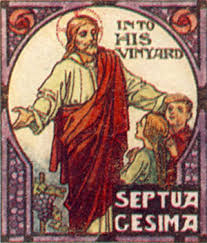 Septuagesima Sunday is the first of the three Sundays of “Pre-Lent.” It is a time to consider our Lenten discipline. What will we forgo and what will we take on? It is a time of subjecting the body to the soul, a time of sacrificing time, gifting our hours to God.
 I will never fully understand why I said yes to Christ’s invitation into the vineyard of faith fifty-three years ago, at the all-knowing age of twenty. The reasoning of C.S. Lewis fed my mind, and the local Episcopal church entranced my heart with its beauty of word and song. But why, I often wonder, have I been given such joy in my faith, when friends and family pursue the dailiness of life’s duties without such joy, without such faith. I am grateful to Lewis for his labors in the vineyard.I suppose Lewis said yes as well and went on to say yes to the works in the vineyard to which he was assigned.
 We must remember to remember. We must recite our recitations. We are in a dark and cold winter, but we must listen to His commands to do the work we are assigned. It often seems the end of the day, the last hour, but no matter. We seek the work Our Lord gives us to do.
 In this season of Epiphany, of manifestation, it is appropriate to consider how we converse with one another in a free country, how we manifest our own epiphanies to one another.
 Freedom must be fought for with words as well as wars. Such expression is manifested best in love, in love of words, in love of persons, in love of reasonable argument, in love of, at the end of the day, truth.
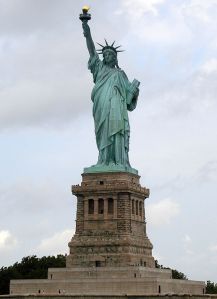 Which brings me to an article on the “1776 Commission,” created by former President Trump to ensure America’s school children learn America’s founding principles, teaching them why we consider our country to be the last great hope in the world. This noble effort seeks to teach our unifying principles, that we are a country where freedom and free speech ensure we honor diversity as we embrace our common language, history, and ideals:
 If we don’t become manifestations, shedding the light of epiphany, free speech in the public square will be cancelled.
 It feels like spring in the Bay Area. A few pink blossoms have appeared on a bush outside my window. The olive tree in the front yard shimmers in a silvery light as the sun glances from its gray-green leaves. A light breeze blows. This afternoon our world is domed in blue and the hills are bathed in hints of the green to come.
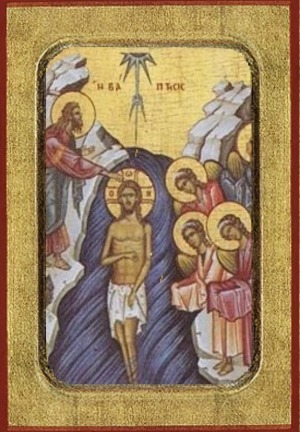 And yet, in the Gospel lesson appointed for today, the Second Sunday after Epiphany, Christ is baptized, and in this epiphany showing who Jesus of Nazareth was and is, we see the dramatic beauty of all creation. For here, the Son of God, to be one of us, submits his flesh to the pouring of water, to be baptized into humanity itself. The Holy Spirit descends like a dove. A voice from Heaven says, “Thou art my beloved son, in whom I am well pleased.” (Mark 1:1+) Earth opens to Heaven, and God and Man are joined in this sacrament.
 Christians have been baptized into Jesus, and we rise with him from the waters to touch the Heavens. When Earth quakes we cast our eyes to Heaven. When spring lands on leaf and limb, sparkling Earth with light, we know who we are.
 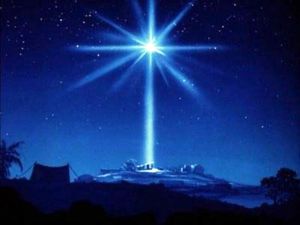 Truth. Light. The star led the magi to the manger, to the bed of the newborn King of Kings. These wise men fell on their knees and worshiped a baby in a stable, born to peasants, outcasts fleeing a powerful State. Christians today follow that same star in the heavens to the manger of this King of Kings. We too kneel and worship, stunned by the immense love of God our Creator. We too have become outcasts, for not only do we follow the light of the star, the light of truth, but we speak this truth in a time when a powerful State purges truthtellers.
 One truth that we must hold to be self-evident is that we cannot exist as a society with double standards of law and order. We are all equal under the law, and those responsible for leading riots should be held accountable. We should deplore all criminal activity, regardless of race, gender, political persuasion.
 We are given ritual and song that unite us as one body, Christ’s Body, the Body of Christ, and we have access to that community virtually if not in person. The rituals recall and relive and recreate the great truths of God and Man, reminding us of who we are, children of a loving God. The song is our poetry of belief, the harmonious melodies of the Body of Christ. We sing of the angels and the manger and the magnificent moments of Christmas. We sing of the star and of the wise men. We sing of holiness, and sanctity, and love. We sing of all the glory that awaits us in Heaven and all the glory streaming among us – His Body – hinting at what we will soon see, what we will soon become.
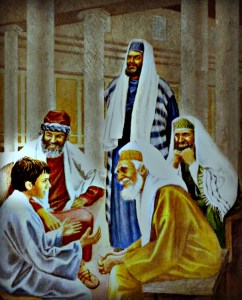 Today’s appointed Gospel was the story of the boy Jesus in the Temple of Jerusalem, asking questions of the priests. He tells his mother Mary that he has been about his Father’s business. This is one of the manifestations of Epiphany, the light revealing who Jesus truly was and is. The next two Sundays will also be manifestations, Jesus’ baptism in the Jordan River by John, and his first miracle, turning water into wine in Cana. The light of truth reveals these historical events, so that we can see, so that we can understand, so that we can believe.
 Within the light of this Epiphany star, within these holy moments of truth, we gather with one another, singing praises for all God has done for us, all that He has given us, all that is good, perfect, and true, for we are one body in Christ, every one members one of another.
  It is a truth deeply felt but rarely confessed that goodness is a target for evil, that evil, being nothingness, twists the good, the true, and the beautiful, twists the great gift of the Holy Trinity – God the Father, God the Son, and God the Holy Spirit.
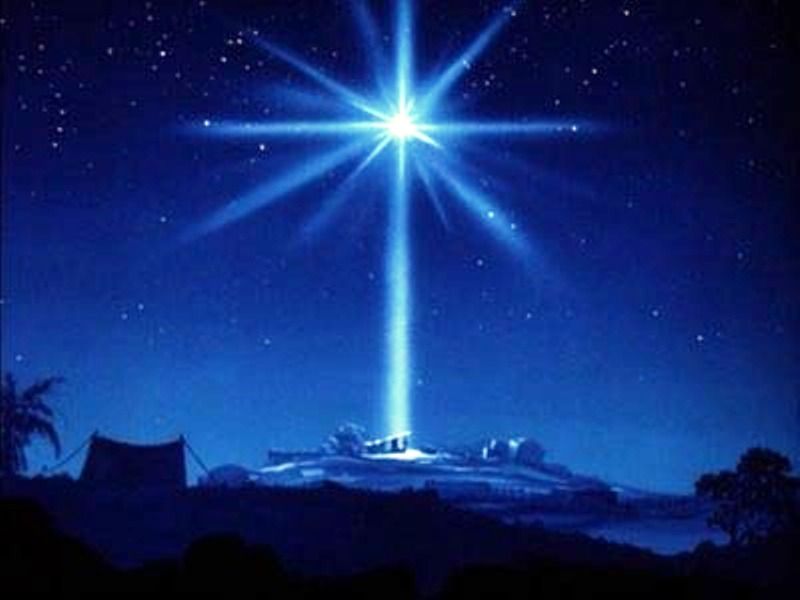 Christmas. True Christmas remains. The manger remains: the Son of God, born to us in a stable, on a bed of straw, under a brilliant star. Angels, shepherds, and magi find their way to Bethlehem. You and I find our way to Bethlehem.
 We are invited into the heart of God, through His Son, Jesus. We are invited to share his divinity by partaking in his Love.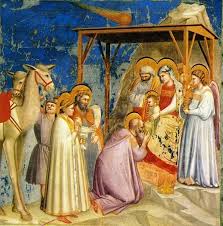
 And so, on Thursday evening my husband and I gathered in front of our screens to take part in a virtual Christmas Eve Mass, celebrated at our beloved chapel a block from UC Berkeley. We said the words, sang the songs, and prayed the prayers.
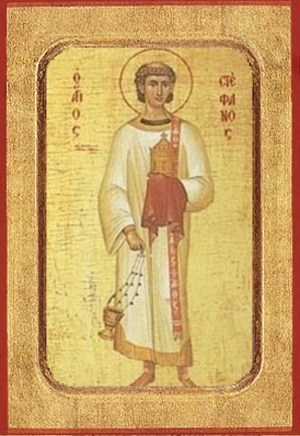 On Saturday, the Feast of St. Stephen, we honor the true cost of discipleship. We read the words in Acts 7, how Deacon Stephen saw the face of God as he was stoned to death, our first Christian martyr. St. Paul, then Saul, watches, as his own transformation begins, for he would soon meet Christ on the road to Damascus and be changed forever.
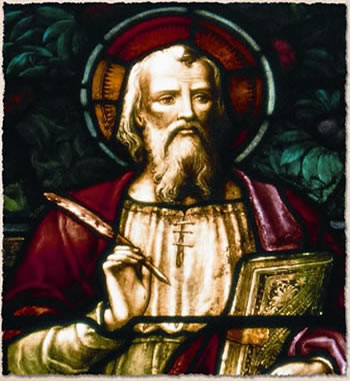 These three days tell the magnificent story of the intersection of time with Eternity. We tell of our Savior’s birth, tell of Stephen the first martyr, and tell of John who teaches what this means for us.
 We Christians will never stop telling the story of our redemption in Time to live in Eternity, salvation on Earth to live in Heaven. We will never be silenced, even sheltered as we are, for God so loved the world that he gave his only begotten son, that whosoever believeth in Him should not perish, but have everlasting life. (John 3:16)
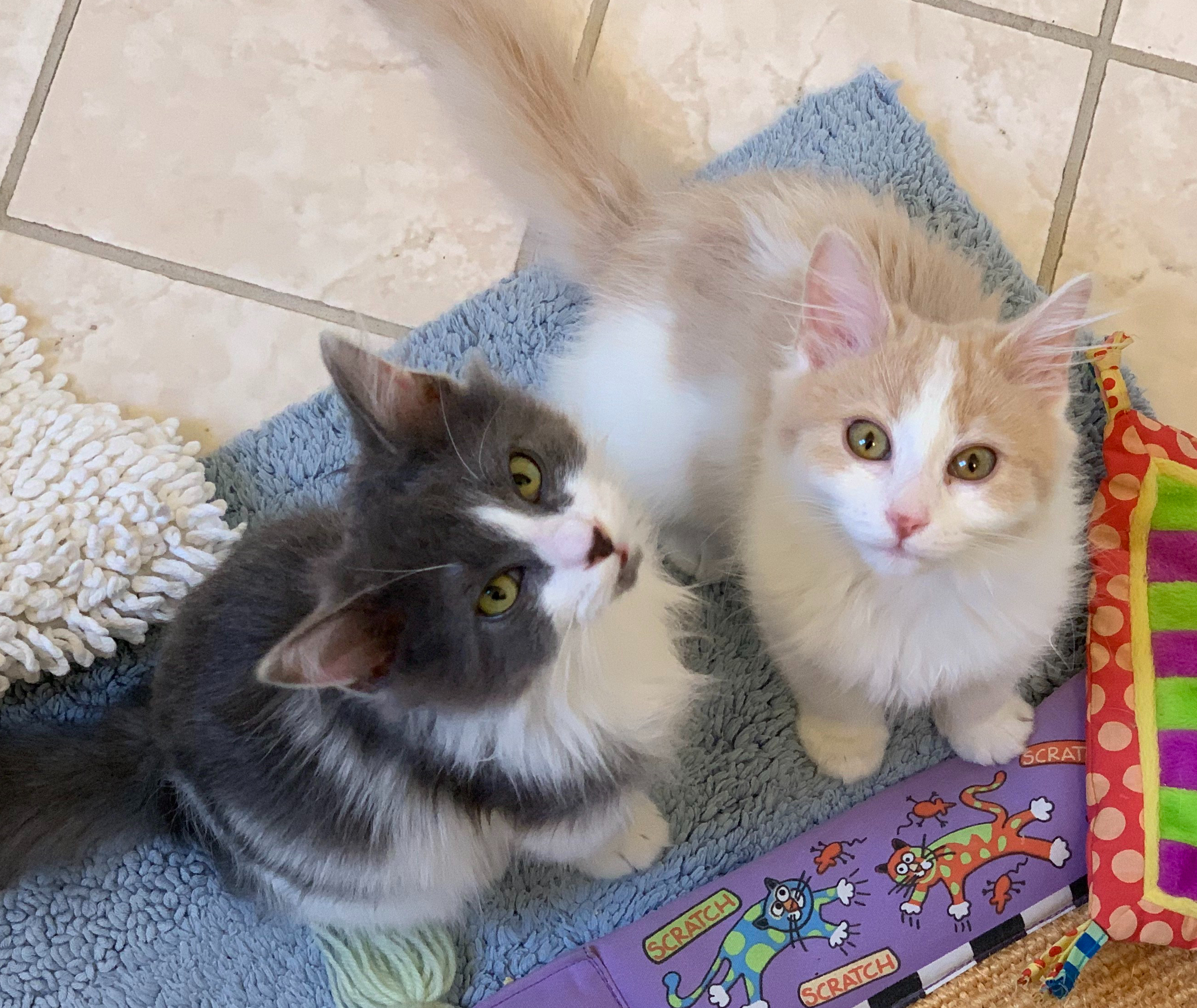 We put aside, or perhaps assuaged, our grief over the loss of our tabby, Laddie, who climbed into Heaven three months ago, and adopted two kittens from a local shelter. At only 14 weeks, they seem incredibly tiny, and we have been introducing them slowly to the house and of course to us, graduating from small spaces to ever bigger spaces.
 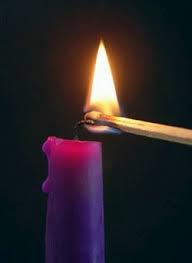 We pray for grace to cast away the works of darkness and put upon us the armor of light, now in the time of this mortal life in which the Son of God, Jesus Christ, visited us in great humility.
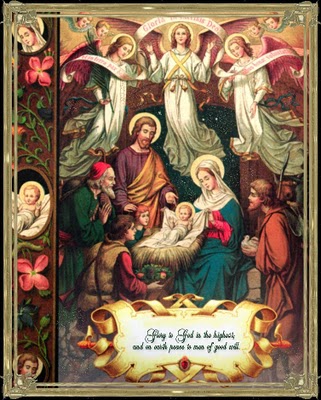 The Incarnate Word lying in a stable amidst the the farm animals, the angels singing glory and praise, the star in the heavens showing the way, a powerful portent of eternity, the Holy Family teaching us how to be a whole family, the traditions that further incarnate this immense event in history – all these things are given us. The creche, the evergreen tree strewn with lights, the gifts and cards and greetings given, the songs of peace and joy and delight – all the past Christmases are reborn to live in this coming Christmas. We keep the holy tales alive and they in turn enliven us, feeding us with humanity’s greatest desire throughout the centuries, to become whole, holy, filled with the love and light of God. The past is sacred for it forms our present and our future. To deny our history is to deny life itself, to deny meaning, to deny that what and who we are has eternal consequences.
 A second sermon considered the wonderful Collect prayer for this morning:
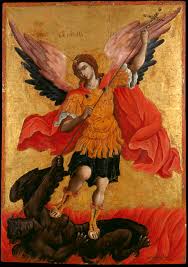 Ah, angels! They are all around us. I have a number of gilded icons portraying archangels which comfort me in this time of sheltering and pandemic. They guard and guide and protect. They are messengers and warriors. Scripture says we will be their judges one day (!).
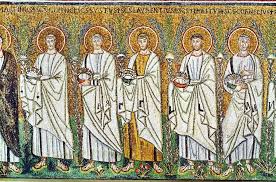 There are two strong currents blowing over our land. One is light and one is dark. One tells us to honor judgment, to confess, repent, and be forgiven, to enter the Kingdom of Heaven, clad in the white robes of the Lamb. The other tells us to kill the judges, to deny, to hate, to fall into the lake of brimstone and fire, the Kingdom of Hell, clad in nothingness, to devour and be devoured.
 Christine Sunderland
