
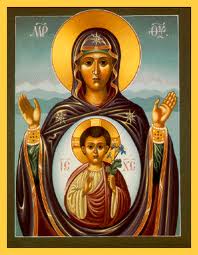
 It is a truth once universally acknowledged that mothers deserve praise. They carry us in their bodies for nine months, beginning the nurturing that will last through adulthood and beyond. They give birth, a remarkable feat we take for granted. They nurse and cleanse and cuddle and teach. They sing and comfort and discipline and protect. They love us. They reflect and deflect the world out there, good or ill.
May is Mary’s month. We honor Our Lady Mary, Mother of Jesus, Son of God and Savior of the world. We have painted her portrait and gilded her image and lit candles before her as we pray for intercession, for help here on Earth, help with our own mothering, our own families.
Not all mothers are good and kind and loving. Not all mothers have or desire the gift of mothering, but one hopes they might try. Some mothers abandon their children; some curse them; some abort their babies before they take their first breath. Some mothers, as their children grow to adulthood, scorn their choices and beliefs. Some mothers call these choices and beliefs deplorable, following the siren songs of the times.
 It was my fortune to have a good mother who raised my sister and I in an intact family, with our father present in our lives. We had a childhood of pleasant memories: swing sets and slides and tree forts; piano lessons; baking oatmeal cookies; riding the bus to school and returning home to a mother who created a stable and safe homelife. There were lots of books and reading to one another and singing together. I am grateful.
There are also women who are good mothers, who mother, who aren’t biological mothers. I found this to be true in parish life. As a single parent with a four-year-old son these older women mothered us, at a time when my own mother was unavailable. The church breathed life into our fragmented family. The women embraced us. We were not alone.
Today, I recall these women: Elizabeth, Willa, Janet, Lucille, Cathy, Kay, and many more. Most have passed into Eternity, and it is my turn to mother those younger than I in our parish. It is my turn to offer concern and care and prayers for these adopted children of mine in the family of God. It is my turn to love the next generation, to mentor, to show the way to Eternity.
These many mothers, all the women of the Church, Mary’s beloved, offer answers to life’s perplexities in their soft embraces and welcoming smiles. They open hearts to God, to His Son, allowing the Holy Spirit to work within the parish family as we pray, sing, and say the holy words learned by heart, words residing in our hearts. We sing and speak as one voice, in this, His, creation, the Church, the Bride of Christ.
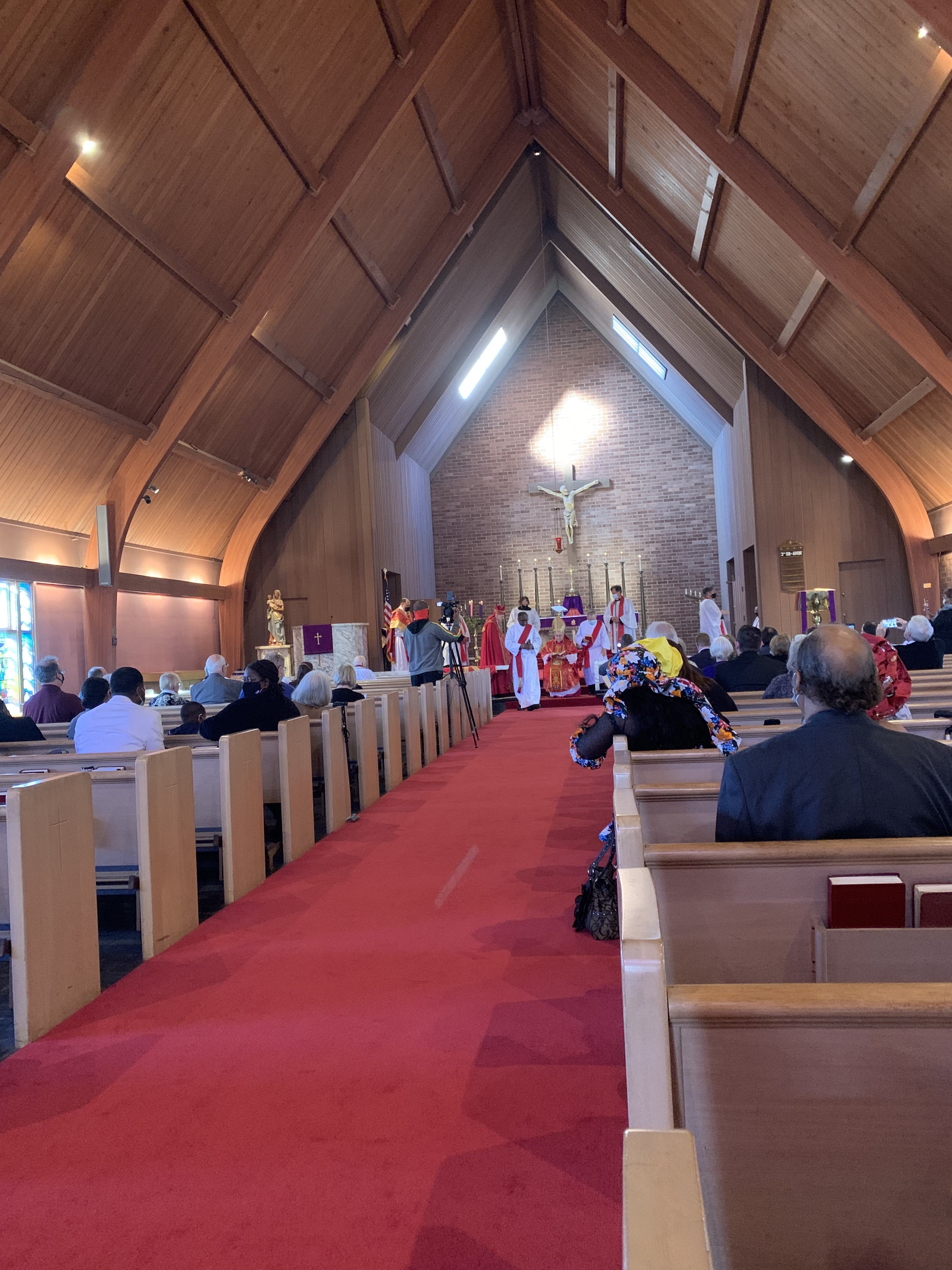 The Church is also Mother Church. She embraces her children, protecting them from storms outside and fortifying them to re-enter the tempestuous world. The Church an ark, a boat sailing through the world in and through time. The ark carries its precious cargo, its faithful, within, as a mother carries new life in her womb. The Church is a mother, creating a safe and loving home.
In our world today families fragment as mothers no longer mother. Fathers father and flee, leaving mothers to parent alone. Mothers and fathers, upon conceiving children, often abort them, with little understanding as to what they have done, taken a human life, a tiny innocent baby.
 And so we celebrate mothers, mothers who truly mother us all, with their example and their devotion, with their selfless sacrifice and their love. We celebrate those who choose life, who understand the immense honor of carrying life within, bearing and birthing, caring and nurturing. To be a mother is a great joy, for love is unconditionally promised and greatly rewarded. We birth the new generation, the future of mankind. We nurture these children, raise them up if they fall, so that they desire to choose life and not death, to fill them, full-fill them, with the love and life and light of God, as they travel the way to Eternity.
 Today is Good Shepherd Sunday, the Second Sunday after Easter. We listened to a comforting Gospel, John 10:11+, for Our Lord says he knows his sheep and his sheep know his voice. He will lay down his life for us. He will gather us into one fold one day. And there are sheep not of this fold that shall be gathered. And “there shall be one flock, and one shepherd.”
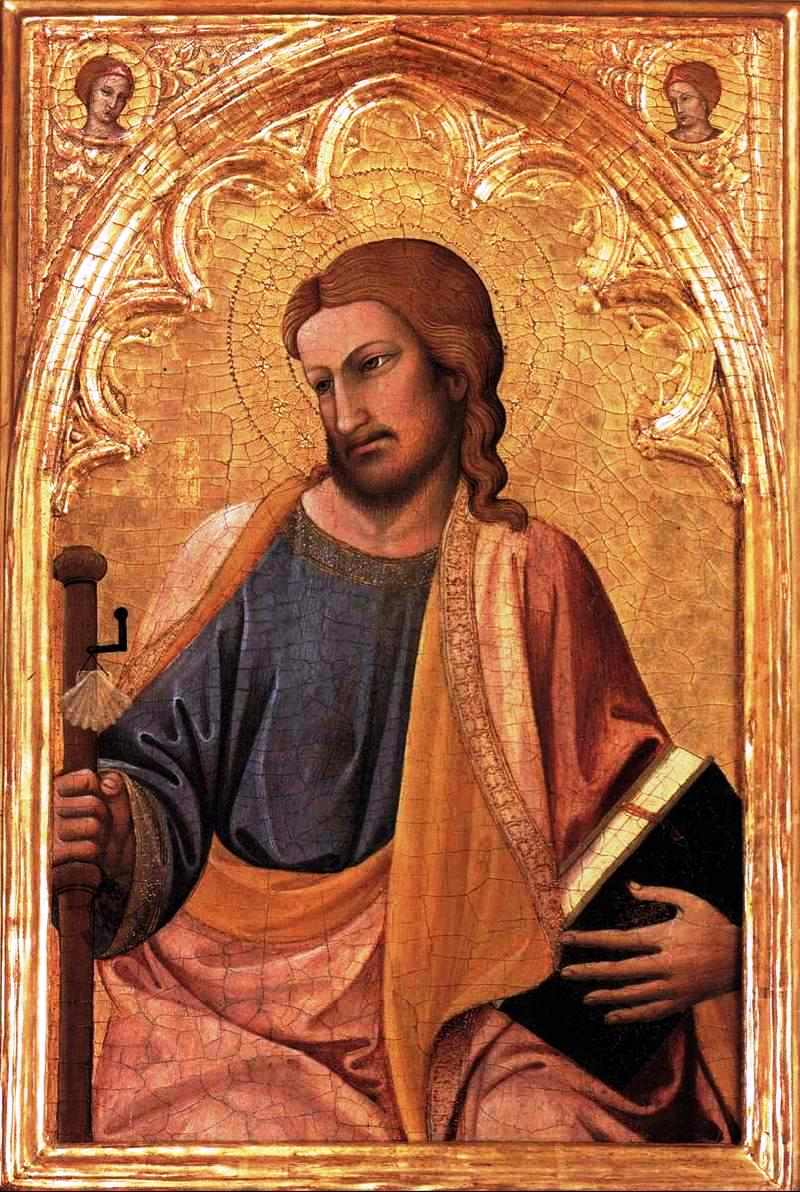 James tells us in his epistle (James 1:1+) today that we must be unwavering, for the double-minded man is unstable, “for he that wavereth is like a wave of the sea driven with the wind and tossed.” The command is clear, if a bit stern, and in itself, unwavering and single-minded. And so we pray for faith, abundant and unwavering faith, in these times of turmoil.
 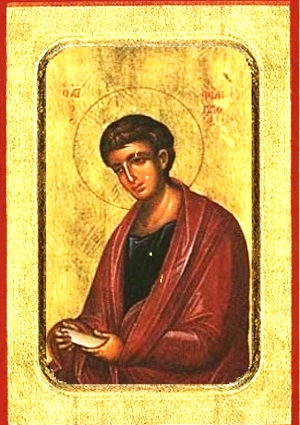 Philip is mentioned in the Gospel for this feast day, May 1 (John 14:1+). It is Philip whose faith wavers, or perhaps he simply can’t grasp the truth in front of him. Christ is explaining about Heaven, and the “many mansions.” He tells us He is the Way, the Truth, and the Life (in answer to doubting Thomas), the only way to the Father. Philip says, “Lord, show us the Father.” Jesus asks why Philip still does not recognize his divinity: “I am in the Father, and the Father in me,” he explains patiently, and his voice is full of love for his children.
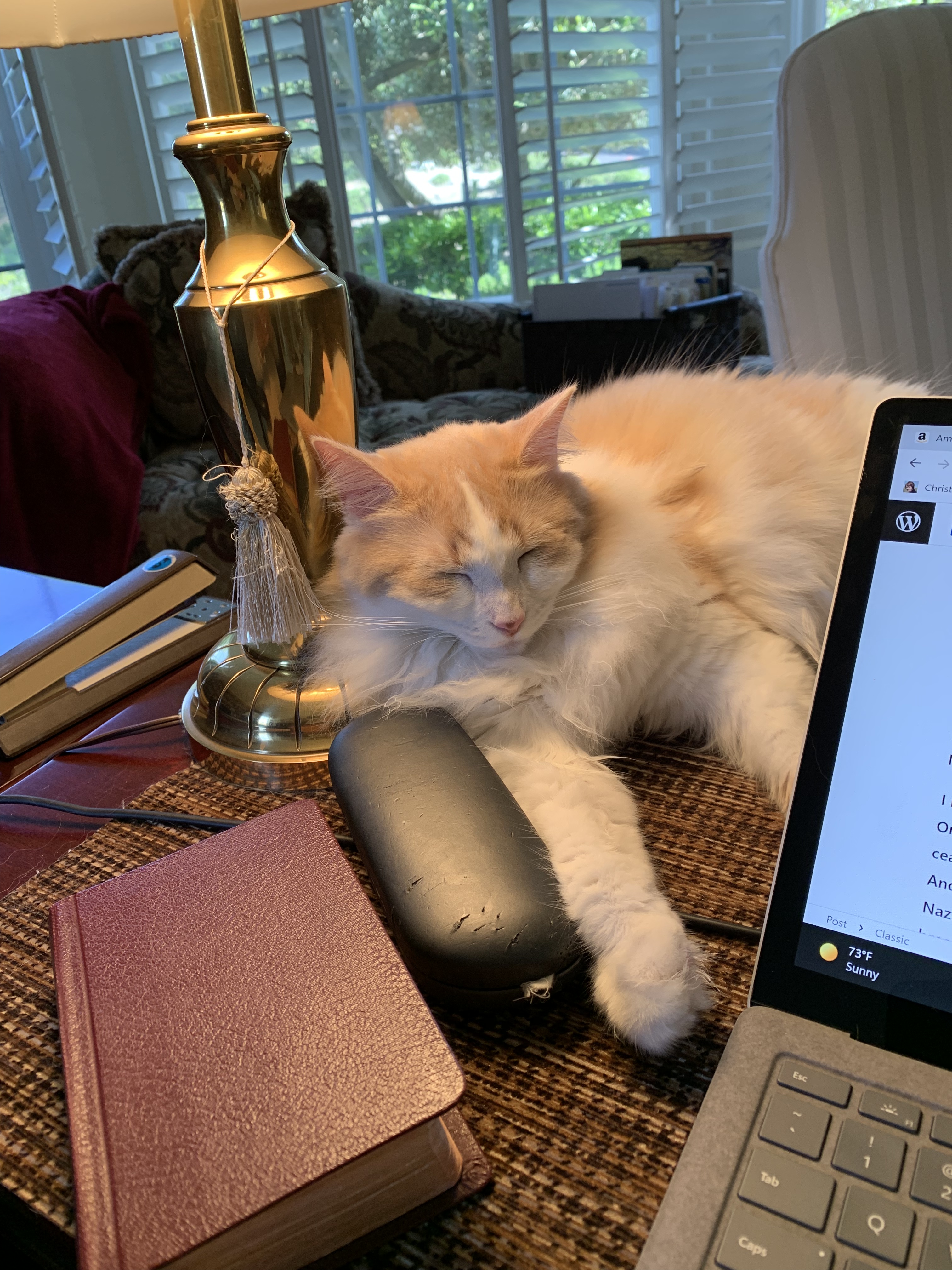 The afternoon sun is glancing off the silvery olive tree outside my window. A breeze is stirring an oak tree beyond and the wild green grasses sloping to the valley below await their yearly trimming, for we live in fire country. I look around. What else have I missed today? My cat has curled up behind the warmth of my laptop, her head resting on my glasses case (she had been resting on Bishop Morse’s prayer book, until I opened it to read.)
 I recently reviewed Francis Etheredge’s collection of prose and prayers, Within Reach of You (Enroute), in this space. One gift given in this book is the vision of being in God’s presence at all times, by praying without ceasing, or even having this intent. For Mr. Etheredge writes that simply the intent to pray opens a space for God to enter and dwell with us. And so I pray the Jesus prayer as often as I can remember, breathing the Name in and out as Father Seraphim and Vicki of Nazareth House in Kentucky taught me. I have adopted this habit over the years, breathing the Name, and now I realize that this opens the space for Our Lord to be present. This places us within reach of Him and He within reach of us. I find this immensely comforting and gratifying and joy-inspiring, all brought to me by an British theologian (with a family of ten) and my Kentucky hermits (with the whole world their family).
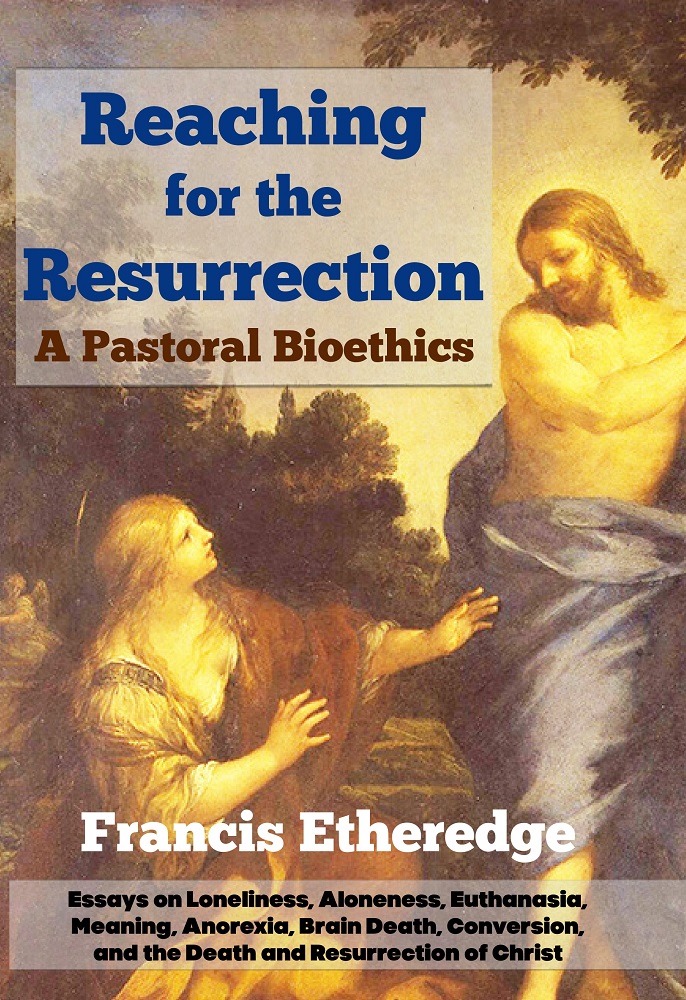 I recently read an early copy of Mr. Etheredge’s new book, soon to be published, Reaching for the Resurrection: A Pastoral Bioethics, to provide an endorsement. He writes about this very idea, that we are one person – body, mind, and spirit. But our materialist world seeks to divide our human person, resulting in loneliness, anorexia, suicide, abortion, and euthanasia. The materialist says this is all we are, mere matter; there is no meaning to life; there is no purpose.
 To know the voice (and the song) of Our Lord we must hear it often, interweaving the many graces given to us, all around us, the many Christians who help us hear him. Take these simple baby steps: go to church, minimum weekly, better more often; read the Gospels; read other Christians who witness to Christ; immerse yourself in the Eucharist, being fed by Christ’s Real Presence in the Mass, a beautiful poetic prayer, a medley of Scripture and song that opens a space for God to dwell within you (and me).

 Christ is risen, he is risen indeed!
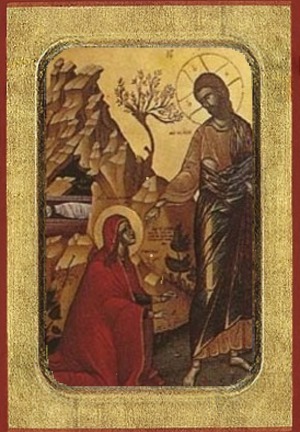
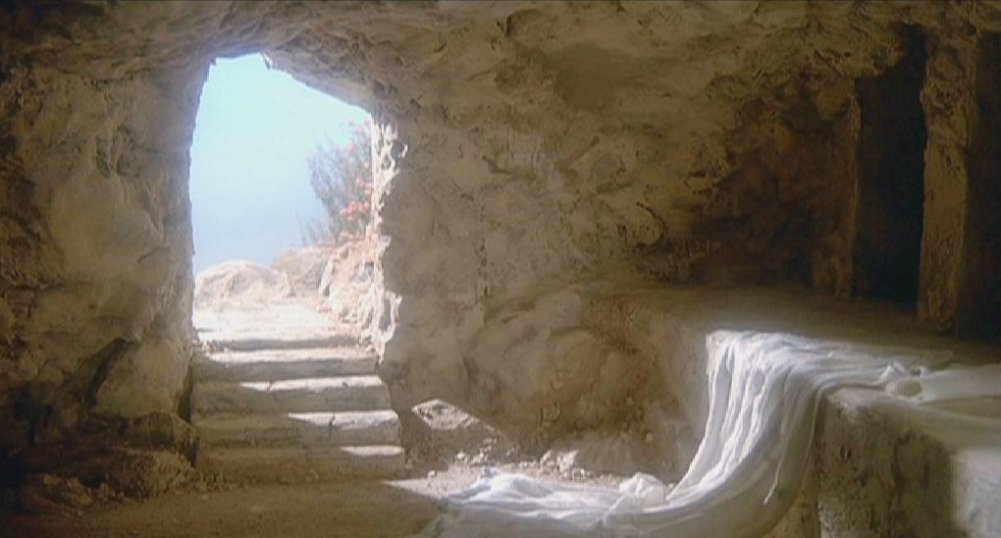 And so today, after re-enacting the drama of Holy Week – Maundy Thursday and the institution of the Holy Eucharist at the Last Supper, the Good Friday arrest, trial, and crucifixion of Our Lord on a hill outside the gates, the deathly silence of Holy Saturday and the evening lighting of the paschal candle, the world waiting for rebirth, for resurrection – we find Mary Magdalene discovering the empty tomb and meeting the resurrected Lord of Life.
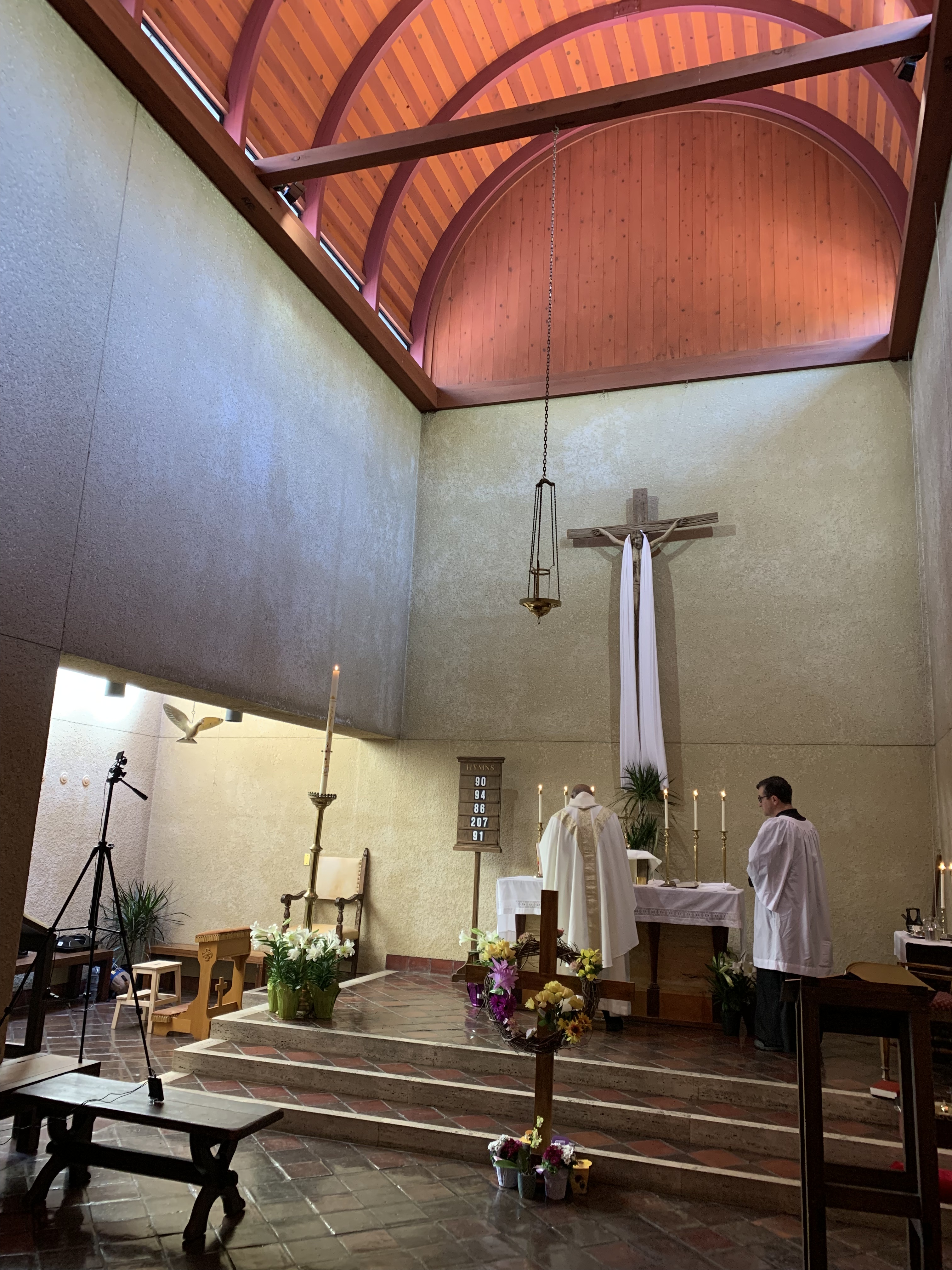 Easter holds hope within it. Dawn breaks on an early spring morning, and we assemble in church to sing well-known Easter hymns, flower a white cross, drape a white mantel over the now visible crucifix above the altar. Gone are the purple shrouds of Passiontide, those weeks leading to this moment of joy. We too bare our souls, removing the shrouds of death and despair, as we don the garments of life and joy.
 Today is Palm Sunday, a major festival in the Christian year. It recalls and celebrates Christ’s humble and glorious entrance into Jerusalem on a colt, to begin the week leading to Maundy Thursday, Good Friday, and Easter Sunday. As Jesus entered the gates of the city, the “multitudes” waved palms in greeting. They spread their garments and branches before him, to honor him. They expected an earthly king but were given a suffering savior.
 Who was Mary Magdalene? I recently signed a contract with
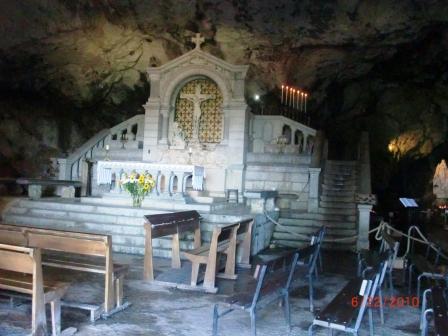
 The eternal shafts its light upon earth, streaming through windows onto stone altars, and our readers reach, like the Magdalene, for the pouring light, to see the risen Christ in the garden. In our pages our readers wave palms and sing hosannas. They too can join the entry into Jerusalem. They too can step through the gates of the holy city. They too can sing, “Hosanna to the son of David: Blessed is he that cometh in the name of the Lord; Hosanna in the highest.” (Matthew 21:9, KJV)
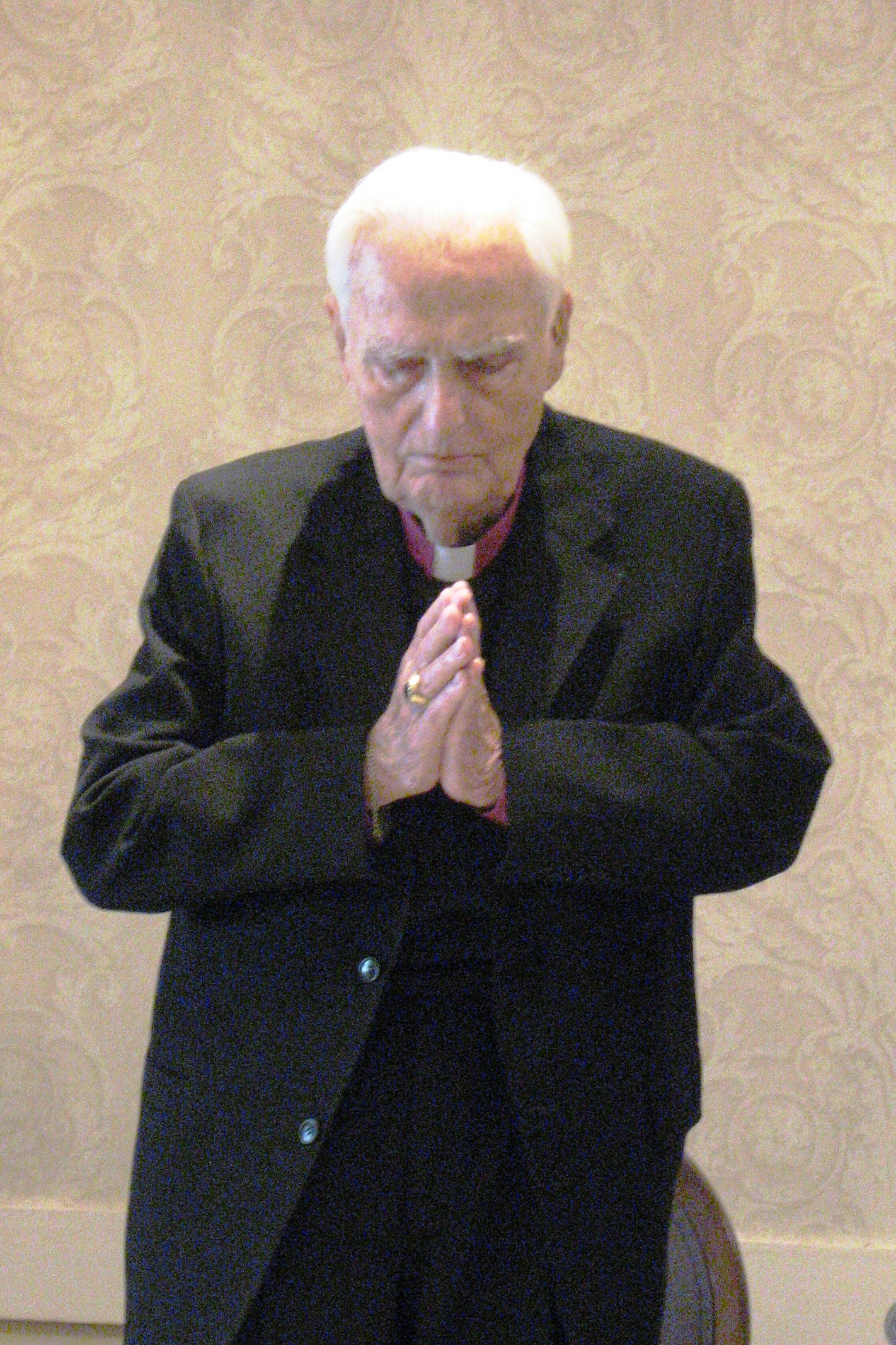 My late Bishop Morse of blessed memory often said that “Passion” in the context of Passion Sunday is the combination of love and suffering. The root is pati (Latin), meaning suffering or enduring. It is curious that today’s meaning retained the idea of love that is found in the Passion of Christ. The lives of the early Christian martyrs were called passio. In the Middle Ages there were Passion Plays depicting these last two weeks of Jesus’ sufferings before his crucifixion. So Christ suffered out of love for us, and this abundant love is good to recall as we enter today the Way of the Cross, leading to Palm Sunday and Holy Week and Easter.
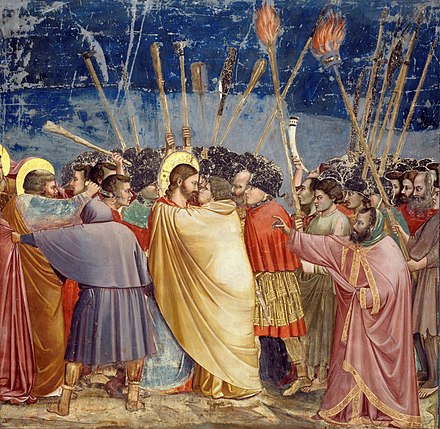 There are times when we are betrayed just as Our Lord was betrayed by one of his disciples, and even ironically with a kiss. It is a double suffering, it seems, when a friend or loved one betrays your trust in them. When they gossip about you or even slander you. I try and watch my tongue (funny phrase) and not be guilty of this easy sin as often as I am tempted. When betrayal occurs by a clergyman, be they pastor, deacon, priest, or bishop as has happened since beginnings of the Church, the suffering is acute. I understand the pain of those who have come forward to testify past sexual abuse by clergymen, for the trust placed in them is often God-like, absolute, and the abuse of this trust is as bad as the actual abuse if not worse. Often, these victims never darken the door of a church again and live lives of silent and bitter judgment. They have been twice maimed. And such betrayal is a betrayal of the entire Body of Christ as well.
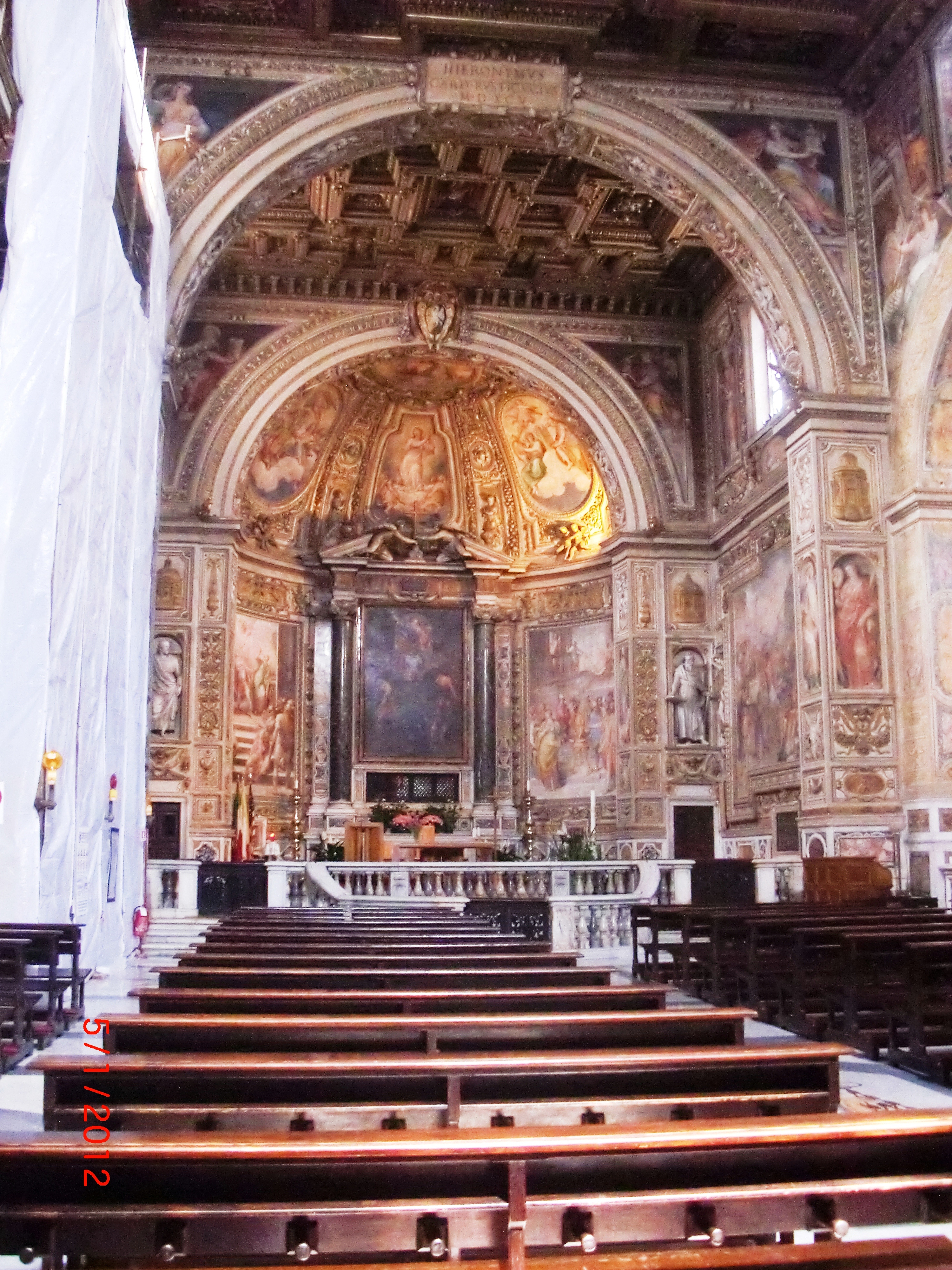
 In our pilgrimage to God with God, we rejoice in each step through time, each minute, hour, day, and year that pulls us toward our own moment of seeing God face to face. This pilgrimage is ours to own as Christians, as witnesses to the daily revelations that unfold before us, as witnesses to the revelations that unfolded over two thousand years ago on a hill outside Jerusalem and in the empty tomb discovered by Mary Magdalene in the early dawn of the first Easter. We are, as Christians, witnesses to life itself, the source, the Creator himself.
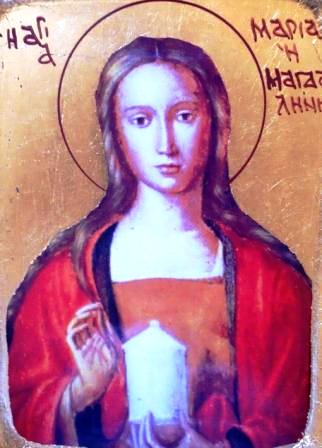 It is a curious thing that there is a sense in which my novels have become my children who have left home for the wide world, traveling to distant readers, into various hearts and minds, with varying welcomes. Authors can’t see their work objectively, and must steer around blind emotional attachments as self-extensions, rather like one’s own progeny. And so I was thrilled this week to sign a contract for the re-issue of one of my earlier novels, The Magdalene Mystery, with
 Two endorsements were from scholars in their own right who were kind enough to read my drafts and make valuable suggestions:
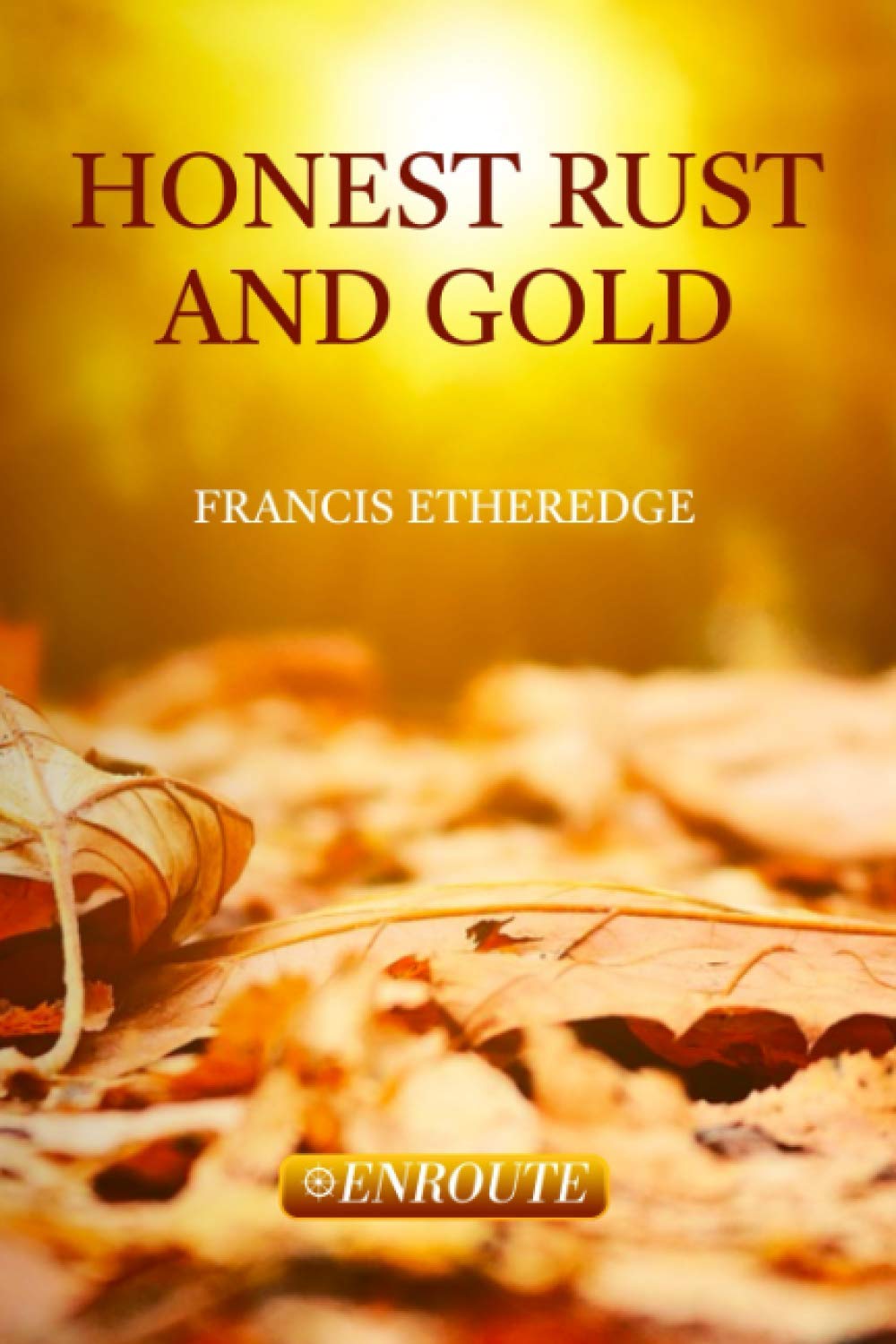 Honest Rust and Gold, a Second Collection of Prose and Poetry (St. Louis, MO: En Route Books and Media, 2020, 233 pp) by Francis Etheredge
 Christine Sunderland
 Christine Sunderland