
 We have been meandering through Venice, following the tiny lines on the map to campos (squares), along calles (alleys), over ponti (bridges). The crowds are dense around Piazza San Marco, but lessen in the neighborhoods.
So today we headed away from the shoving crowds toward one of my favorite churches in Venice, San Zaccaria. The walls are covered in dark masterpieces and many visit this church for the famous art. But I was more interested in the bodies rather than the paintings, for here likes Zaccaria, father of John the Baptist. He was where I recalled, in the south aisle. His sarcophagus seemed to have been cleaned and restored, now with better lighting. And there above him, in his own tomb, lay a second great saint, the fourth century Doctor of the Church, Saint Athanasius of Alexandria.
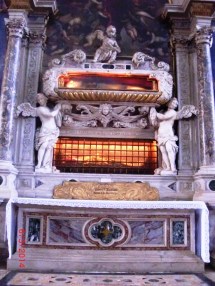 The close proximity of the two saints made me smile: the man of no words, struck dumb by the angel when he doubted Elizabeth’s pregnancy, lying near the man who whose words defended the Trinity against Arius’s heresy. Zaccaria was speechless; Athanasius spoke the truth that led to the formation of the Nicene Creed.
Briefly, the Arian heresy stated that God the Father and God the Son were not of the same substance, that the Father created the Son. Athanasius defended the One God in Three Persons, the Trinity, saying that Christ had always existed, was the Word himself from the beginning. Most Christian Churches espouse this Trinitarian doctrine, and the Nicene Creed, the statement compiled by the Council of Nicea in the fourth century, added certain phrases to the simpler Apostles’ Creed to specifically counter this Arian heresy. In essence, the Arian heresy is held by those today who claim Christ was a good man, a moral teacher, but not God. A big difference.
 So I like to pay my respects and give thanks for St. Athanasius who, because of his great faith, was given the words to mold our beliefs into the shape of the Nicene Creed. And St. Zaccaria reminds me of the curse of doubt, reminds me that words are withheld when faith is weak. In the end, I must wait silently for the action of God in my life; I must trust each day that his spirit will not leave me, but will guide my thoughts, actions, and words. I must pray for this to happen. I must say yes to God.
There is a time for silence, for only in silence can we listen, can we hear the voice of God. So we retreated from the shoving crowds of San Marco’s piazza, the screams and the loudspeakers, the boat horns and the hawkers shoving goods at us, barring our path. We retreated to the alleys and waters and bridges of the old neighborhoods, getting lost of course, but finding our way back eventually.
 It is easy to lose one’s way here in Venice. It is easy to take a wrong turn and then another wrong turn and end up at a dead end, all the while certain of the route. So, too, in life it is easy to lose one’s way, easy to be tripped and sidetracked by the hawkers of all kinds of wares. Without the lesson of Zaccaria and the words of Athanasius we would have less of a map to follow, if any. Others contributed to our map of faith, the path through life to heaven. The many saints, those who we meet in our daily lives and those who we honor with calendar feasts draw and have drawn the lines on our map. But it is the baptized faithful who form the Body of Christ, the Church, that makes sense of what God is telling us, prompting us. It is the Church that preserves and protects the truth, handing us the map.
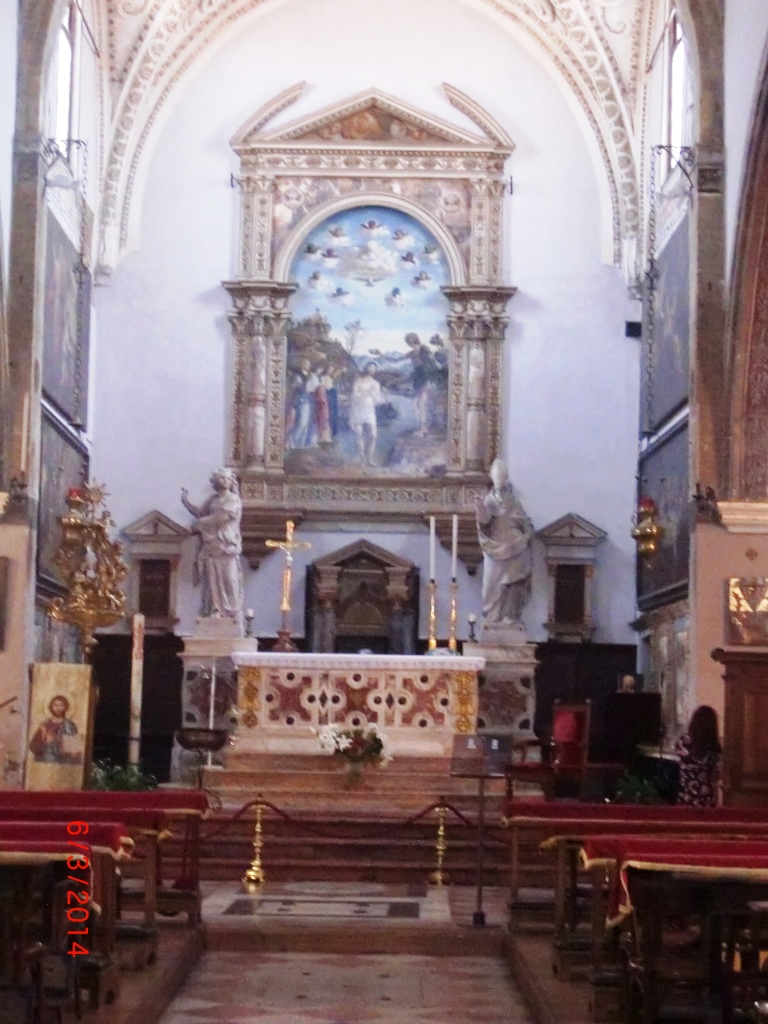 A few bridges away we visited St. John the Baptist’s church, probably built over an earlier chapel dedicated to this son of Zaccaria and Elizabeth. Antonio Vivaldi (1678-1741), the Baroque composer, was baptized here and was a member of the parish. I admired the colorful and balanced high altar painting of Christ’s baptism by John, but my thoughts kept returning to Vivaldi, particularly since his music played in the background. A north aisle chapel had artifacts dealing with Vivaldi’s baptism. A Catholic priest, he worked in an orphanage; many of his compositions were written for a female ensemble there. Although influential throughout Europe (Bach admired him), he died in poverty. The last century has witnessed a Vivaldi revival.
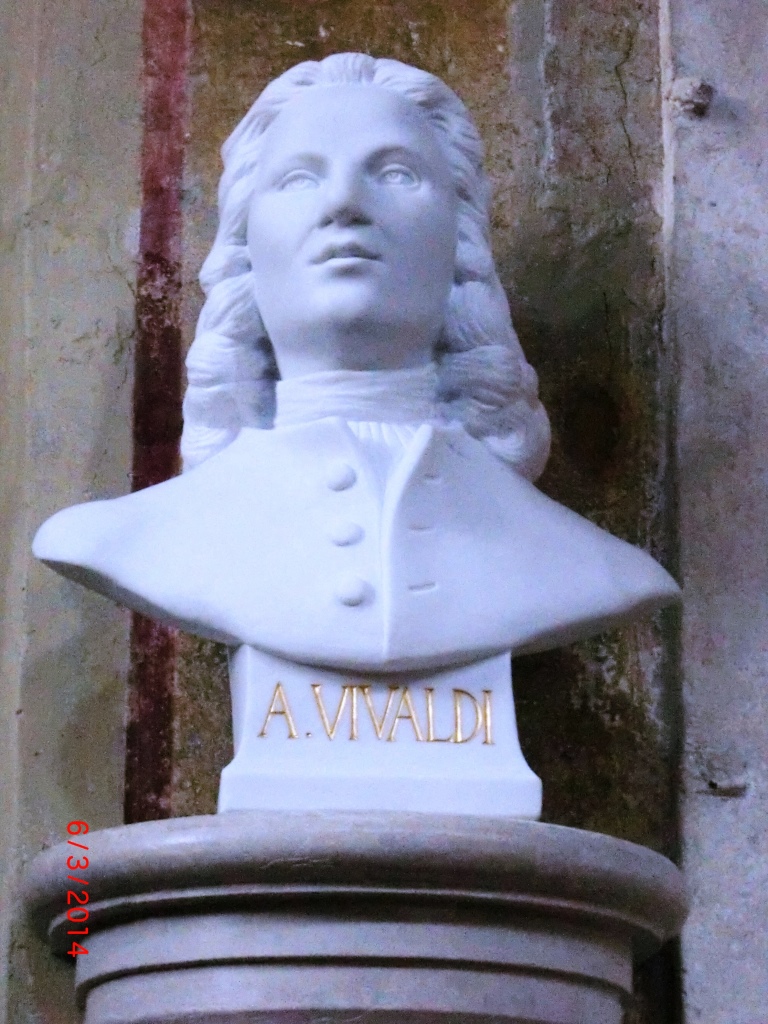 Vivaldi spoke with music just as Athanasius used words. And Zaccaria, after his time of silence, waiting for the birth of his son, spoke out the name John when asked what the child’s name would be. He had learned to wait and wonder and trust. Just so, we all must wait for the Holy Spirit to produce good within us, we must listen to the music of faith, following the Church’s teachings protected by the words of men like Athanasius.
In this way we shall map our route to heaven, and even, God willing, add a few signs along the way, composing for the world whatever God desires.

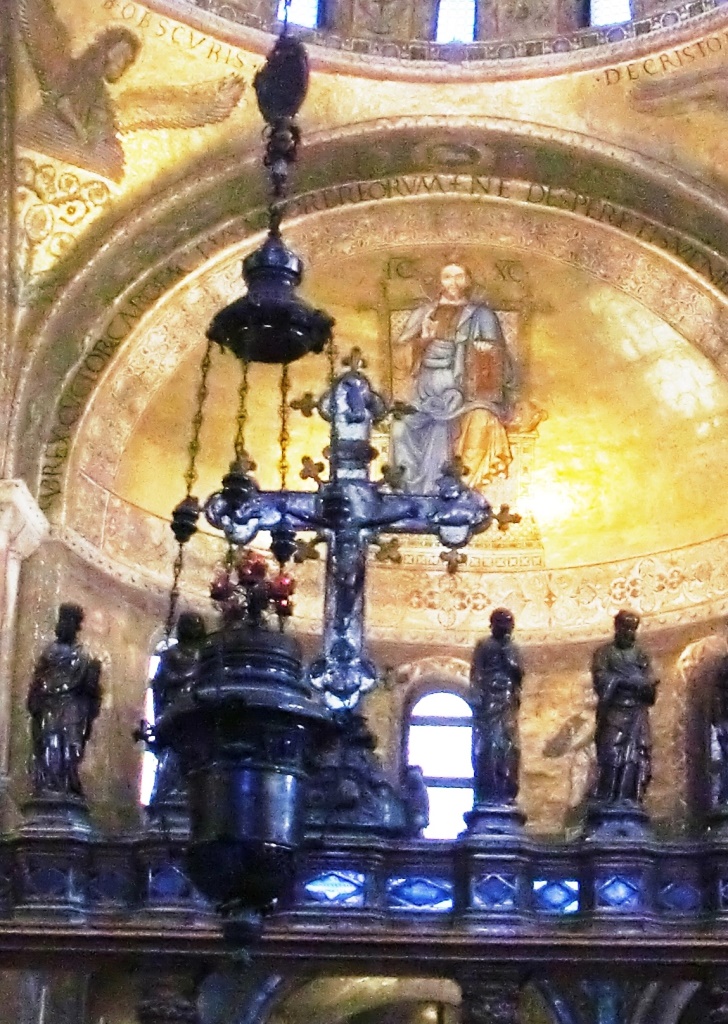

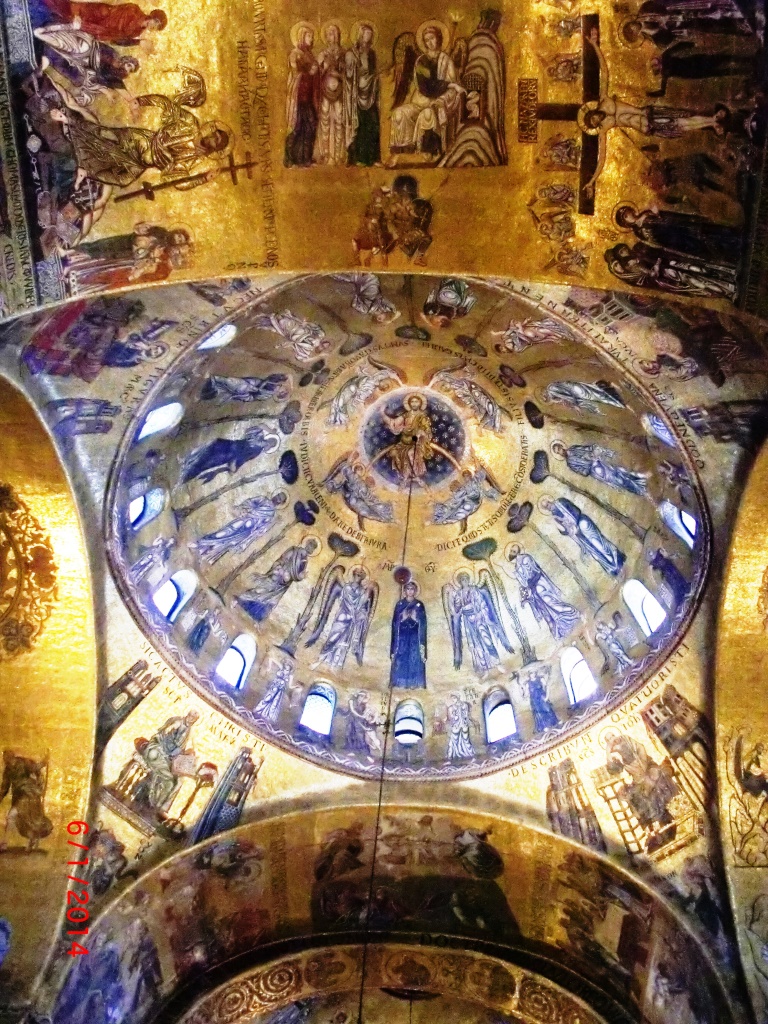
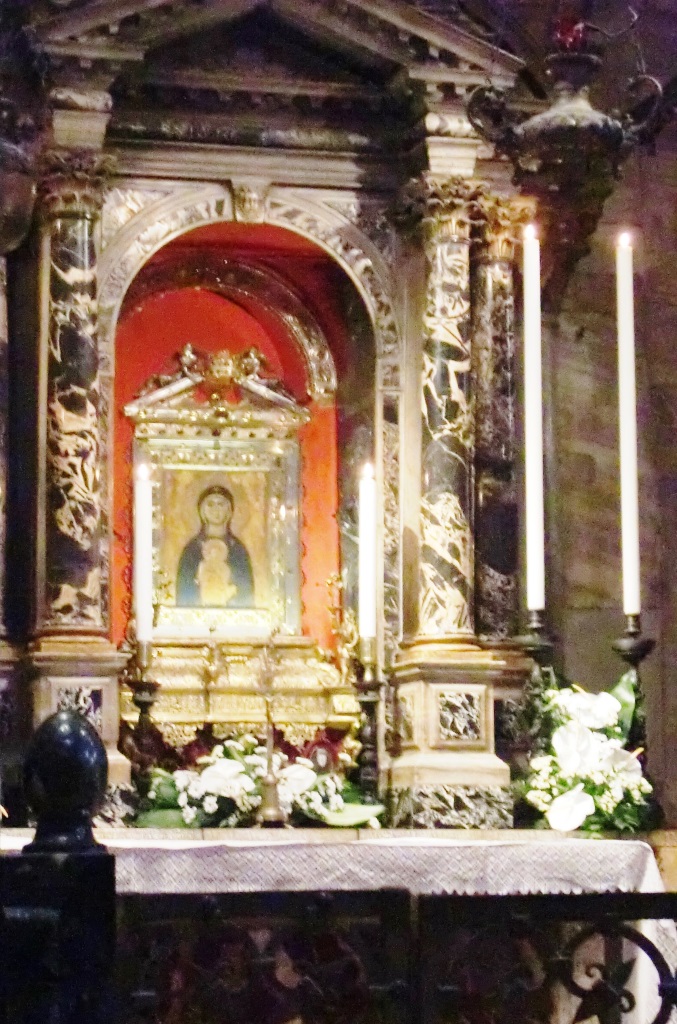

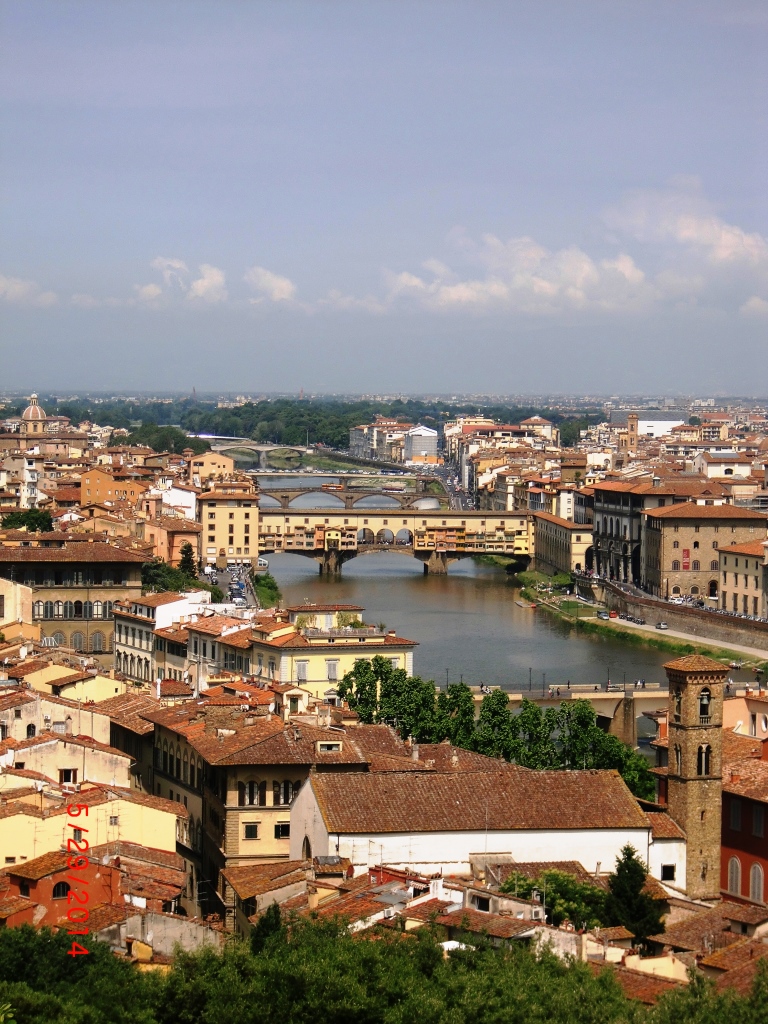

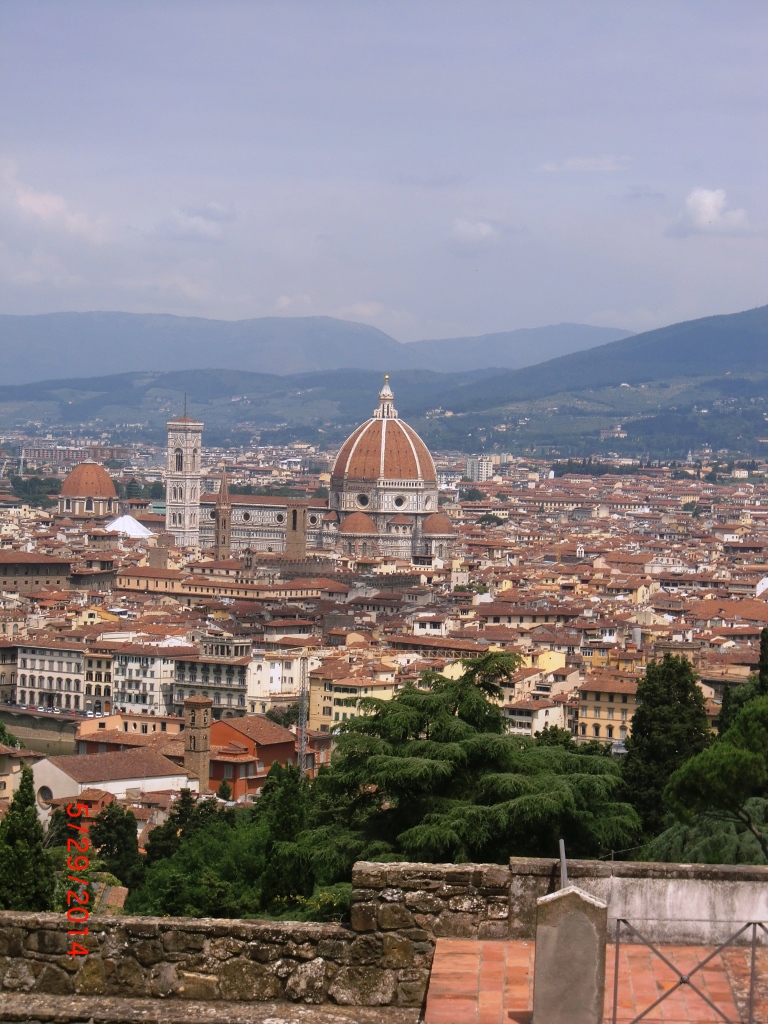


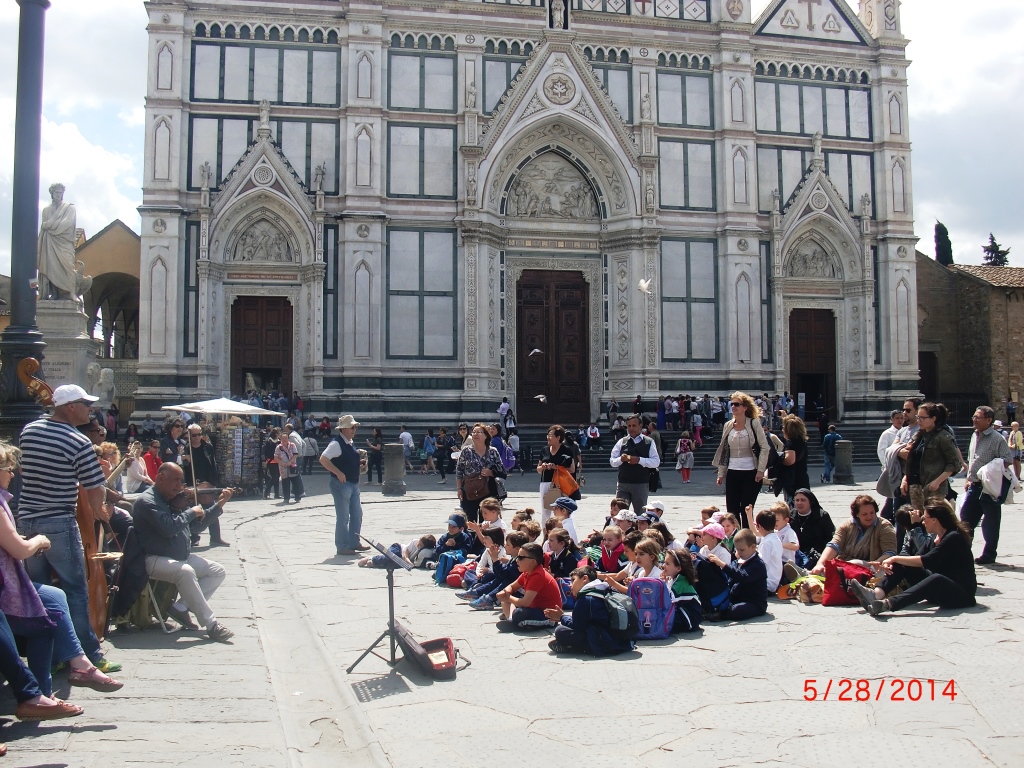

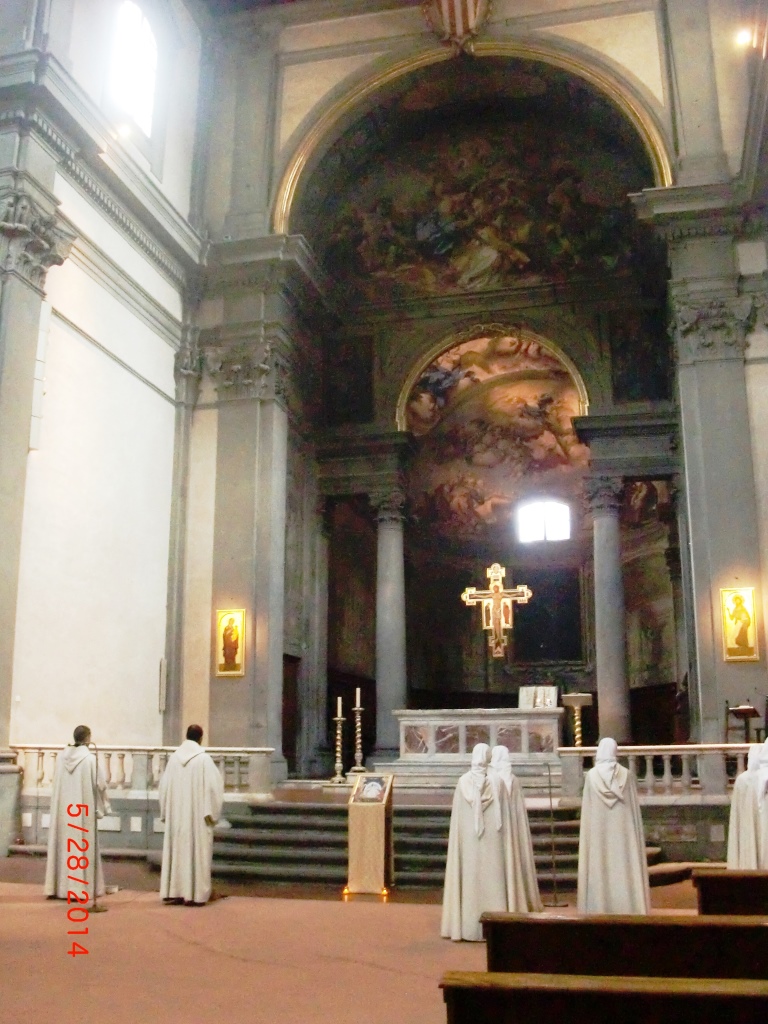

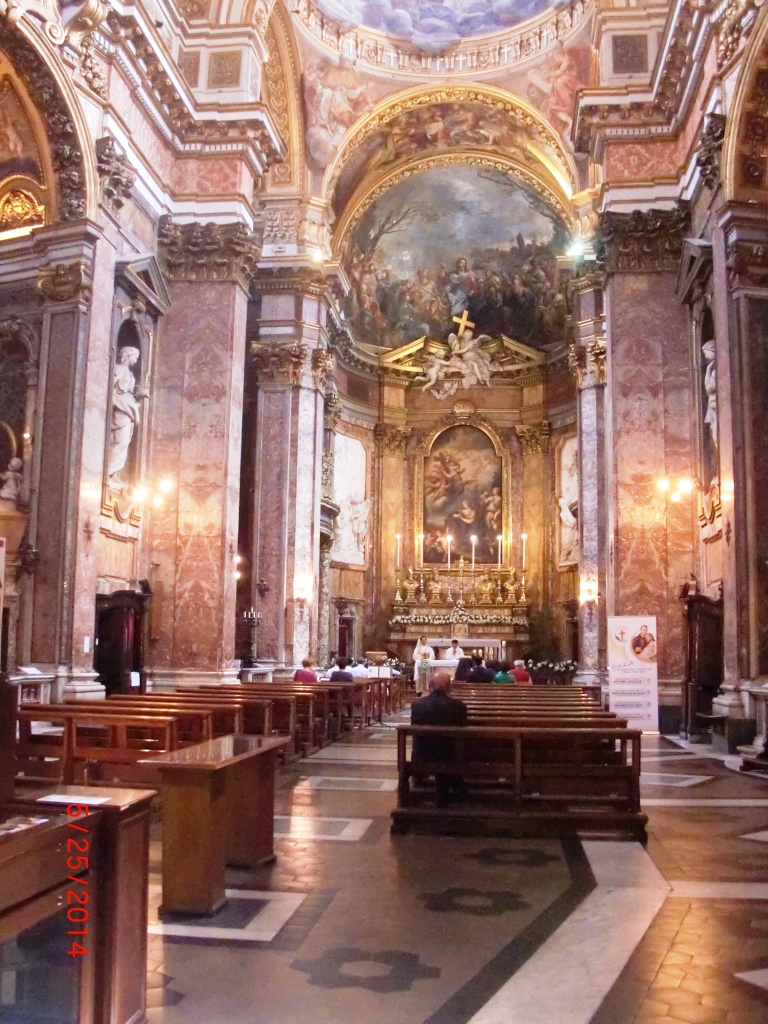


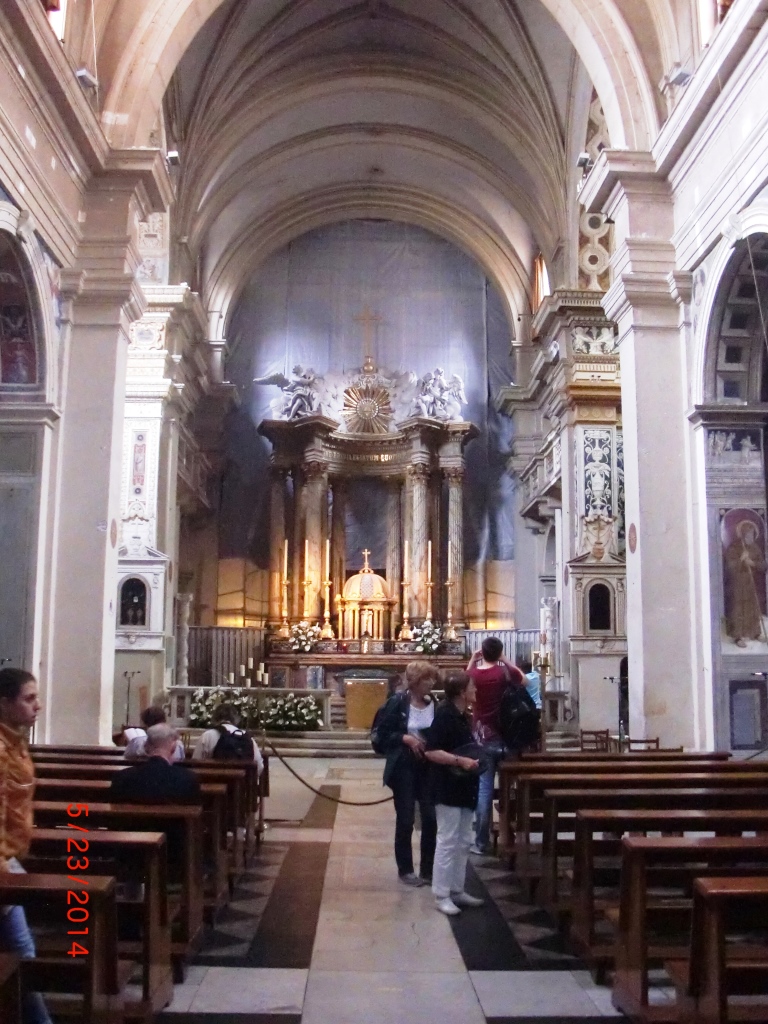
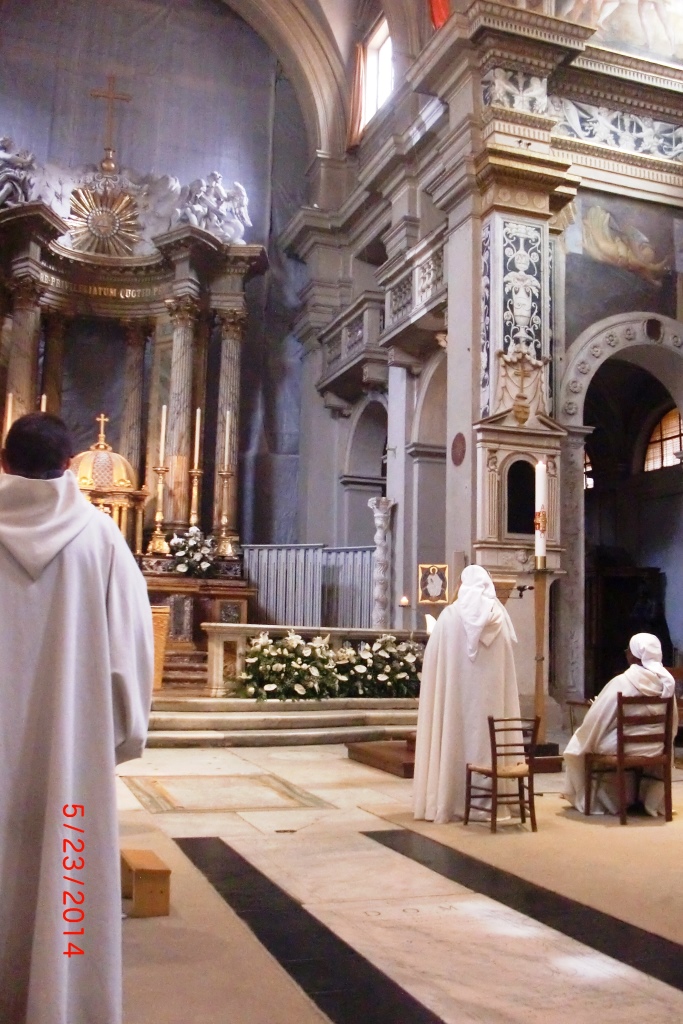

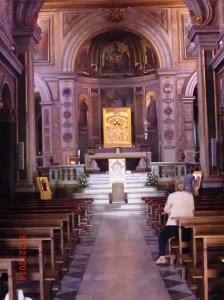
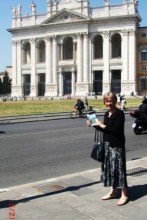 We visited St. John Lateran, San Giovanni in Laterano, this morning.
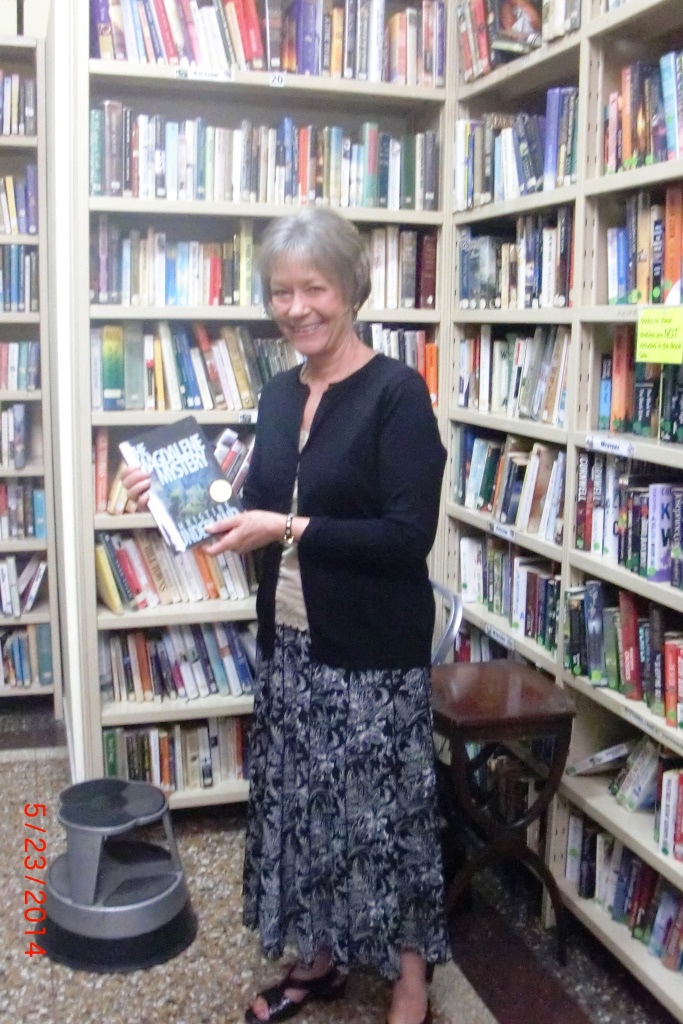
 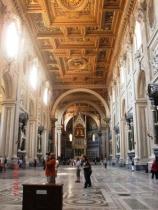 It is also a location in my novel, The Magdalene Mystery, where more of the mystery is solved and more questions are raised. It is the home of a gift shop run by the Missionaries of Divine Revelation, an order of nuns called “the green sisters” because of their forest green habits.
  I first met Sister Emanuela, an English nun of this order with a lovely Irish accent, about five years ago when I was pitching my first novel Pilgrimage to some of the shops in Rome. The next year she took us on a lovely tour of the Vatican Museums. We kept in touch. You just might see her in The Magdalene Mystery in that Laterano scene. It was good to see her today – her eyes alight with the same twinkle of joy she has always shared with everyone. We chatted, catching up on the miracles in our lives, stunned by the love of God. She gives group tours of sacred art and recently has been in demand as a speaker. She is on fire with the faith, a miracle among us. I always learn from Sister Emanuela. She has a way of putting things clearly, to the point, with a great generosity of spirit and always a healing sense of humor.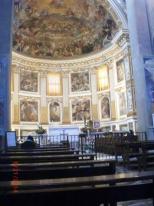


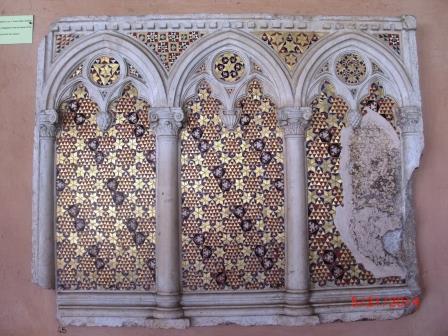

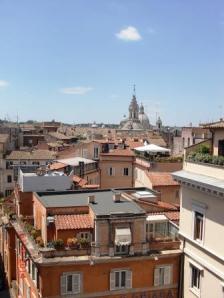 We woke this morning to sunny skies and cries of gulls. We have returned to Roma, the cradle of the early Church where Christianity sanctified paganism, transforming shrines, to many unkind gods, with altars to the one God of love.
 I’ve also noticed more and more religious, brothers and sisters, wearing habits, dusting the streets of Rome with many muted colors. They sit on steps with bag lunches and hurry through back doors into sacristies. Masses and celebrations abound. Christianity is visible, tangible here, if one pays attention, present in a good way. Joy and color and music and the meaning of life paint the city. The secular world seems at times to run parallel, separate, but in reality it is woven into the fabric of the sacred. It is good to hear the bells ring as air-brakes squeak and tour buses open doors to visitors hungry for the life-blood of Rome, the Church and the love of God.
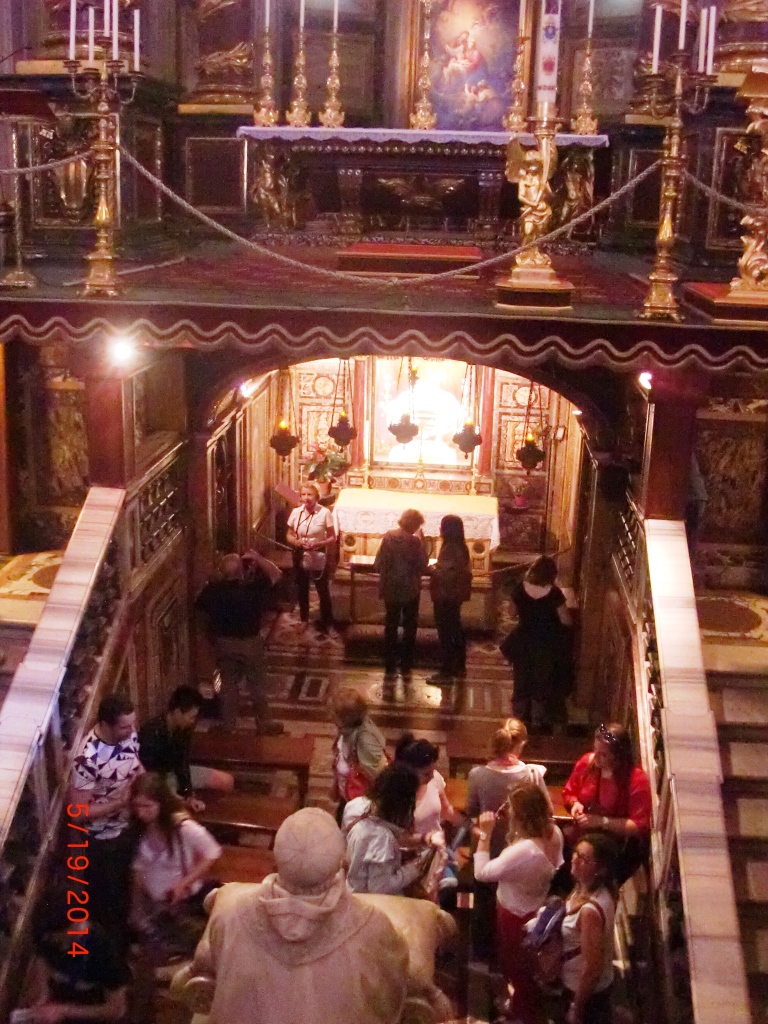
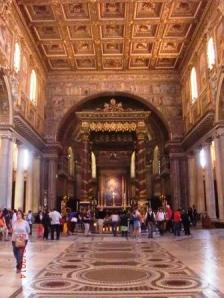 Santa Maria Maggiore – the greatest Marian shrine in the world. We heard singing in the Holy Sacrament chapel where St. Luke’s Madonna is honored, the Madonna humble and earthy, painted on wood. At the head of the main nave, under the high altar the holy crèche has returned after a time of restoration. As we stepped down the marble stairs to the confessio I wondered in awe once more, amazed by God’s goodness to give us these humble bits of himself, here in this twenty-first century, bits to help us in our sacramental journeys. The gift shop has new offerings of the Lucan Madonnas, the Salus Populi Romani (Savior of the Roman People). I had not seen these last year. Another change.
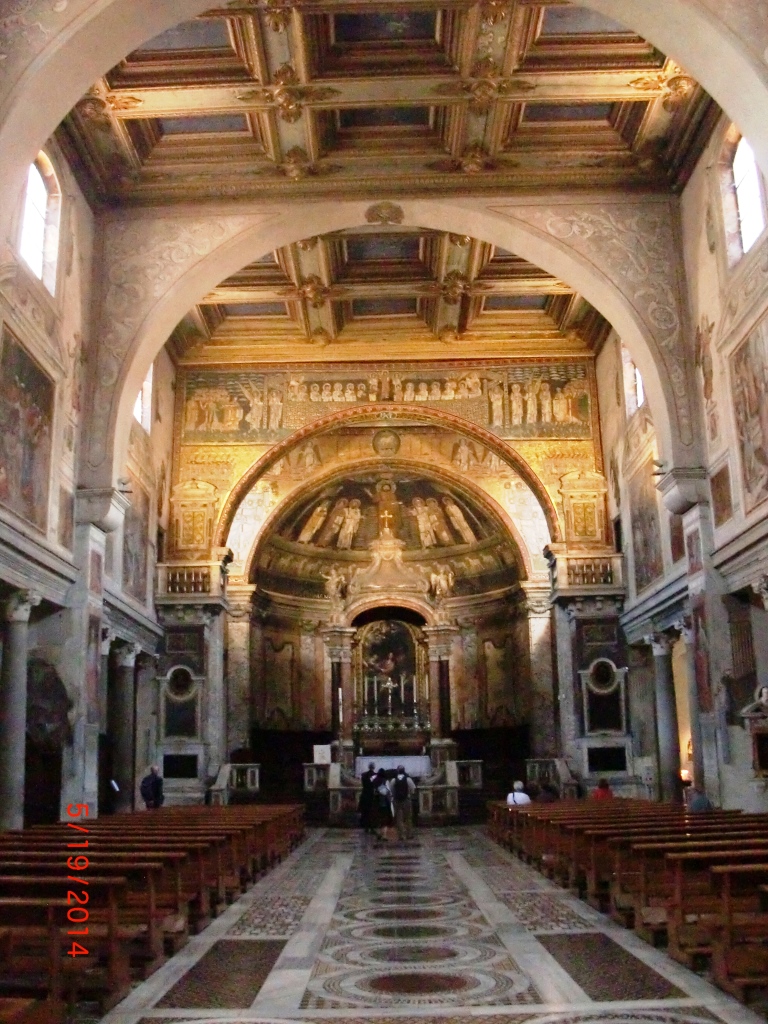
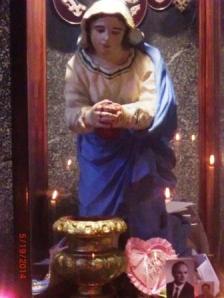 Santa Prassede – the church dedicated to the sainted sister who cleansed the bodies of the first martyrs, saved even their blood to be hidden in the family’s well. Here too can be venerated the column of Christ’s flagellation. It’s an ethereal church, built over the first-century house church of Prassede’s family (her father thought to be a Roman Senator, converted; St. Paul preached in their house.)







 Christine Sunderland
