
A friend of mine died this last week. She stepped into the next life, for she was and is a Christian. She knew the way to Heaven for she had spent a lifetime inside the warm ark of the Church. Through joy and sorrow, through health and sickness, she was surrounded by the guidance and love of the Body of Christ.
We were not close friends, but we were longtime friends. Somehow the years (thirty-seven) sharing a pew in our parish church, kneeling and praying and singing together, created a mysterious, miraculous bond. Our sons served together as acolytes, and oddly enough both boys ended up in Colorado a few hours away from one another, with their own families. When my friend began working in the small publishing office where I work too, it gave me great joy to see her more often. We compared our Rocky Mountain sons and counted the days until our next visits to see the grandchildren. We compared photos and shared Facebook postings. Now, as I write this, I see her smile and I hear her laughter.
Now she is gone, or rather, she has gone ahead of me.
It was not a surprise, for she had been dying slowly of cancer and the treatments were no longer working. Yet it was a surprise, a shock, and I still can’t really believe she is not on this earth, that she has moved on, to be with Our Lord in Heaven and sing with the angels and saints. There will be an emptiness in the office now.
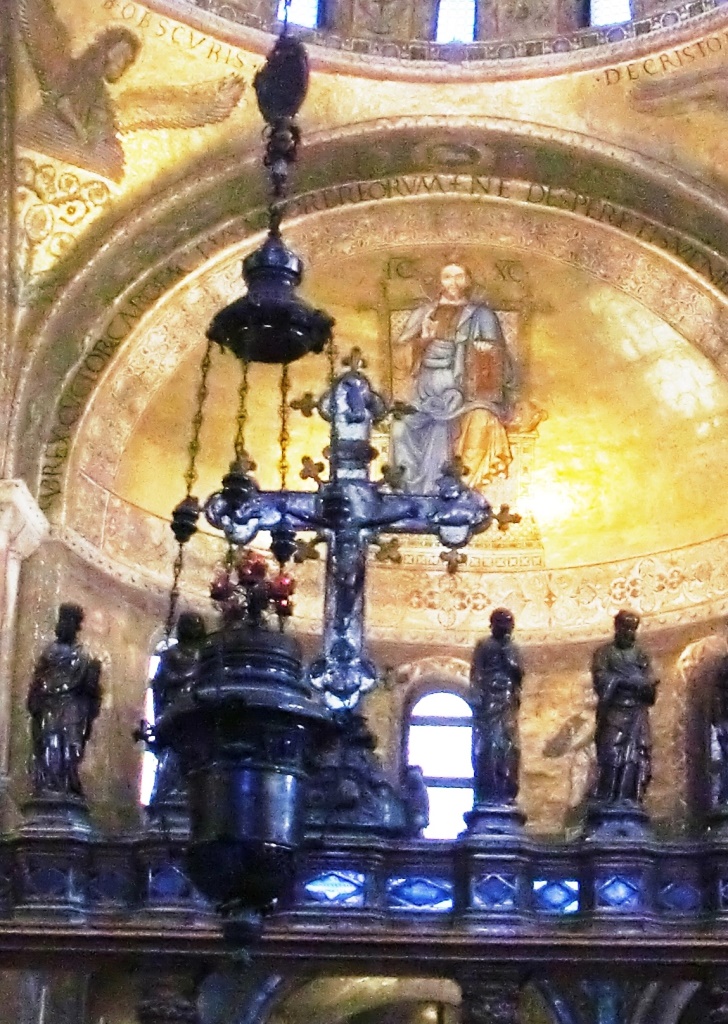
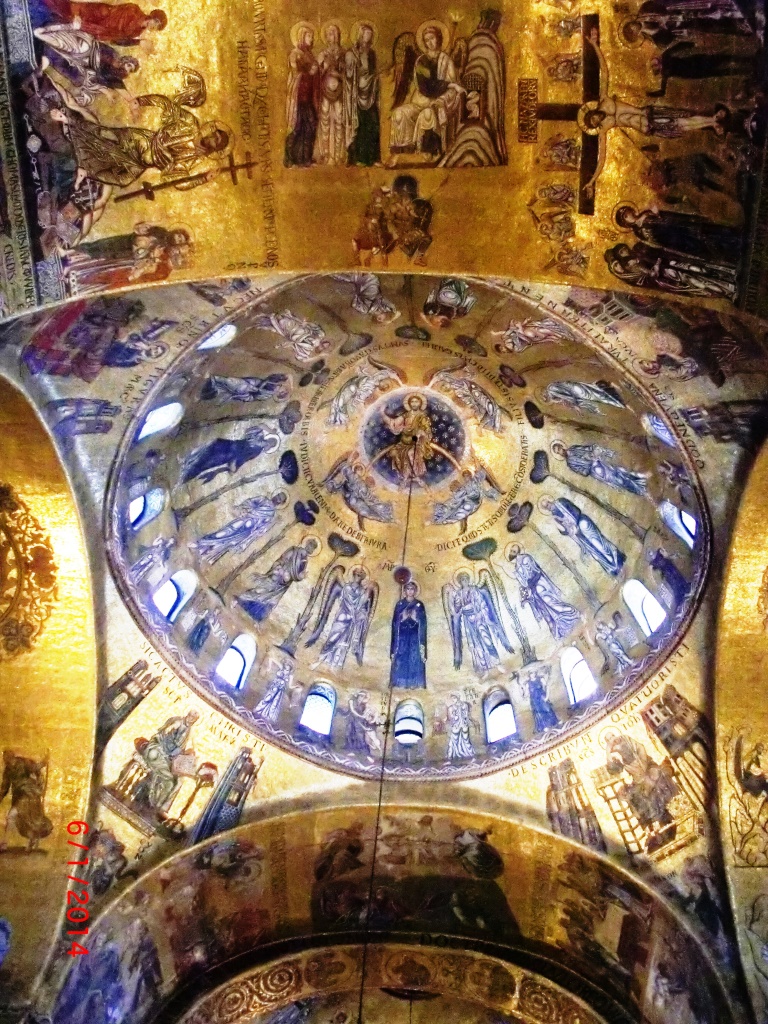
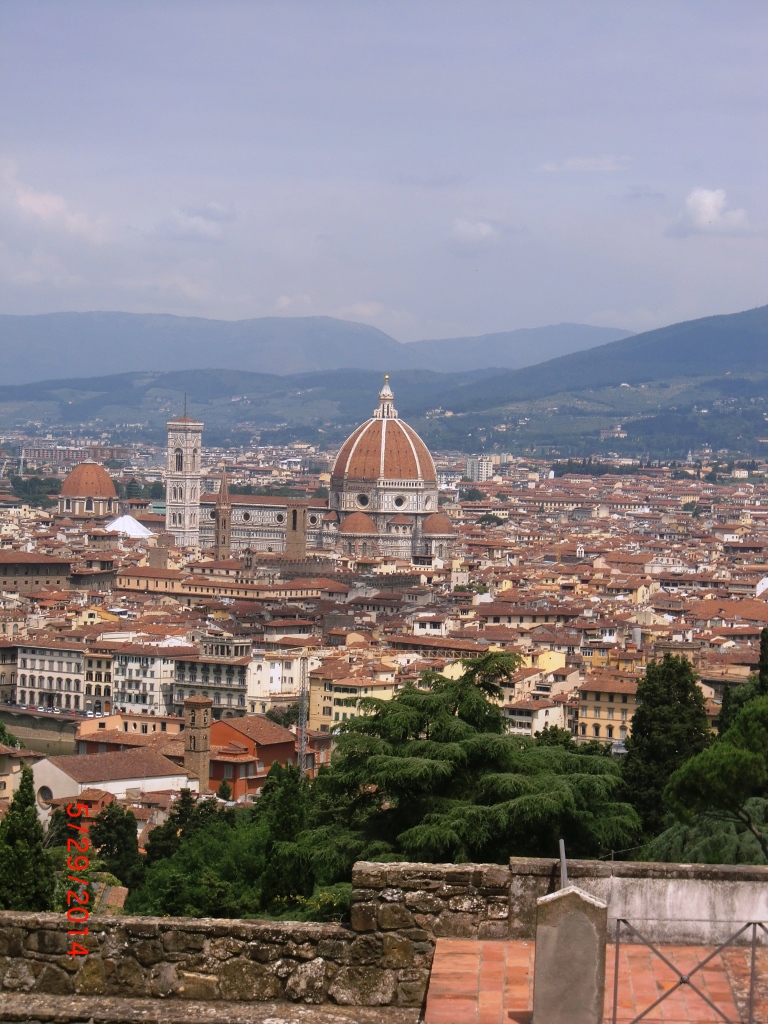
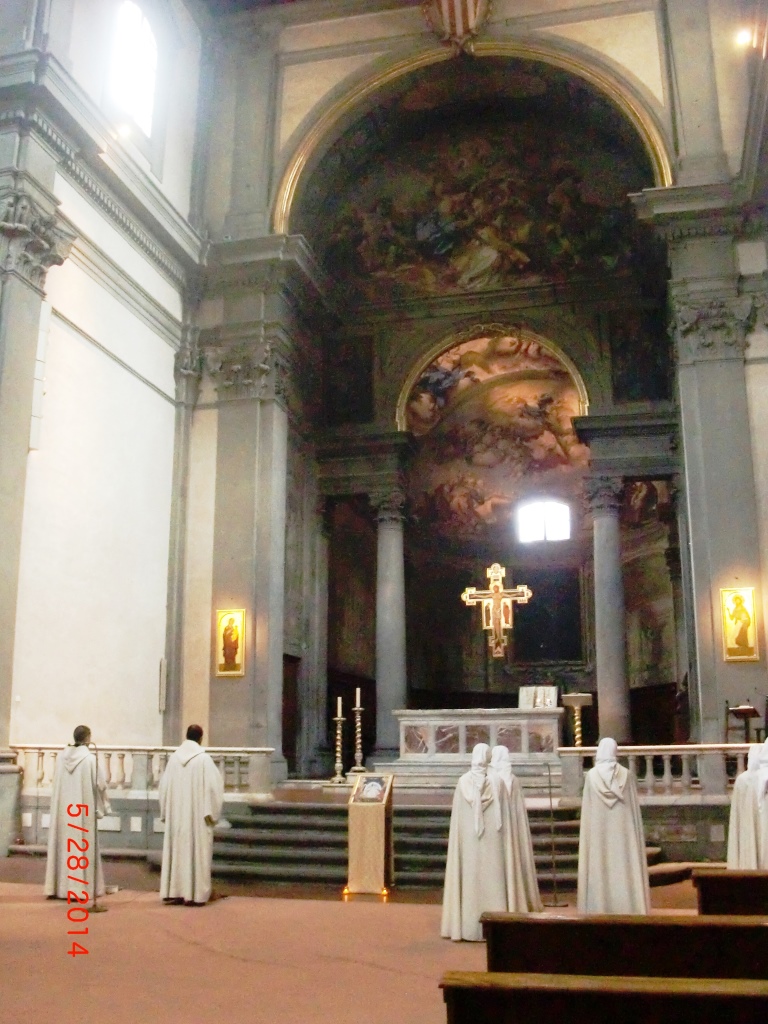
I’m so glad we have the Holy Comforter, the one who strengthens us in times like this, the Holy Spirit of God given us at Pentecost. And in the many churches we visited in Italy last month, this strengthening sense of God was present. Italy is full of haunting, beautiful, intoxicating churches alive with God’s Spirit, sometimes dating to the fourth century and earlier. They teach me about Heaven and earth as I enter and cross the threshold into the sacred. I gaze up the central aisle, focusing on the high altar with its potent tabernacle. Everything in the church points to the Blessed Sacrament reserved in that tabernacle, the Holy of Holies, even the domes dance above, linking Heaven to earth through this church rooted in the ground, whether the church be small or large, humble or grandiose.
I find history fascinating, at least history that explains my present, helps me with the riddle of me, so the history of the Western world in particular is the underpinning, the foundation for our American life today. It is useful history, events and people that formed us as a culture molded our thought patterns, directed our assumptions. It explains, solves the mystery of life.
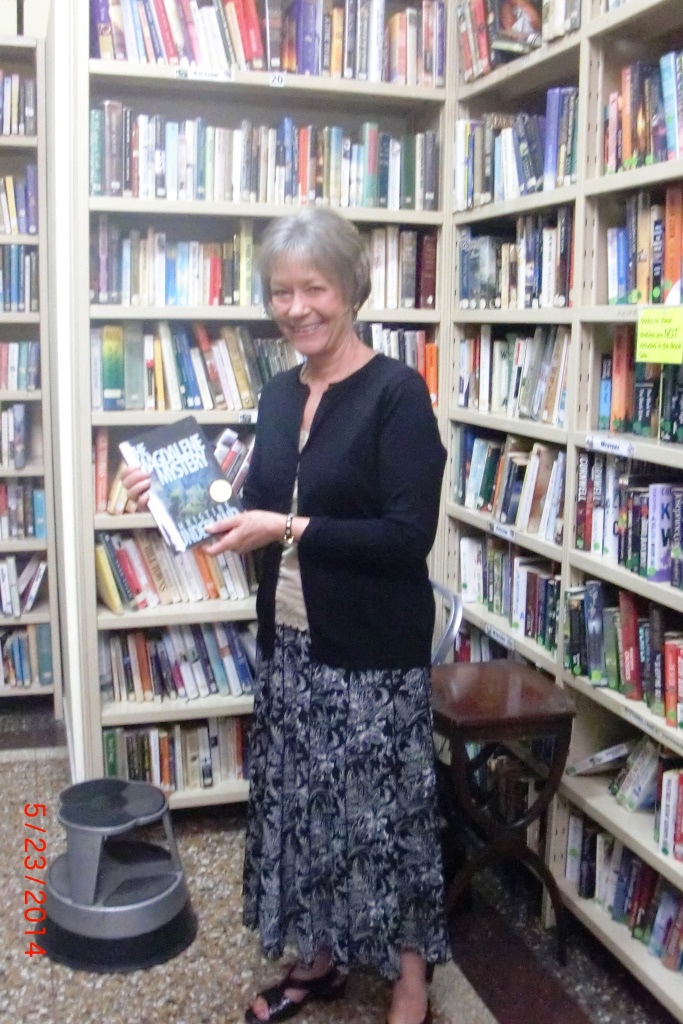
 And so it is even more so with the history of Christianity, particularly visible in Italy’s churches. It was this fascination that led to my novel, The Magdalene Mystery, for the mystery of Mary Magdalene is the mystery of history, how we know what we know, or do we know anything? Is life meaningless, are we dumb beasts, and is all of life merely chaos spinning into a void? What did the Magdalene see that Easter morning two thousand years ago? Was it just the gardener after all? Were the early accounts of the resurrection of Christ true?
I cross the threshold of a church and I know I can know. I know I can find the answers if I want to. All of the imagery explains what happened and what it means to me today on my own journey. All of the faithful who have gone before have added to the great wealth of knowledge we have concerning exactly what happened in those first decades of the first millennium.
The churches speak to me, again and again. They speak of God’s love, what our lives mean, who we are meant to be, where we are going. Through the churches, God speaks to all of us. We need only listen.
Today is Pentecost Sunday, the festival of the Holy Spirit descending upon the disciples and baptizing them with fire. Thus today is the Birthday of the Church. It is a day to watch and listen, for as our preacher said, God’s Spirit weaves through us in spectacular ways. We simply need to pay attention.
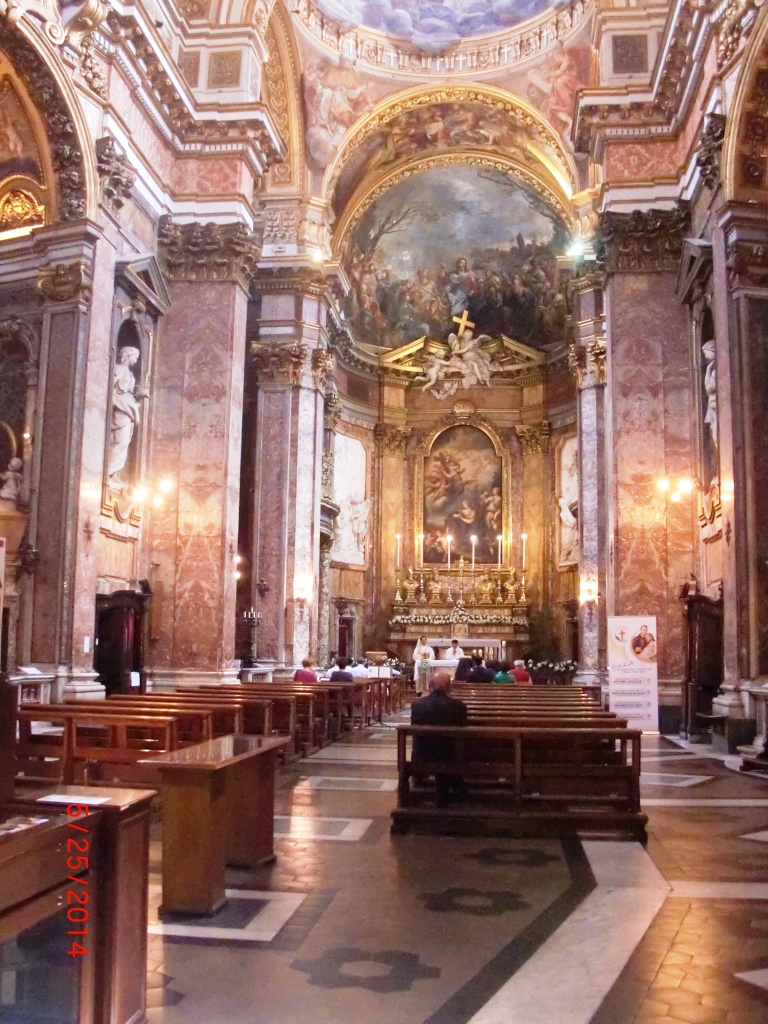
I agree. In Rome, as I chatted with other Christians on fire with God I sensed the Holy Spirit weaving among us. Sister Emanuela at St. John Lateran was alight with God’s love as she recounted her experiences sharing the Christian art of Rome with English visitors (you might recognize her joy in The Magdalene Mystery). Father Paolo of La Maddalena, an exquisite golden Baroque church, included us in the celebration of the birthday of San Camillo, the founder of his Order of the Ministers to the Sick, the Camillians. We met Camilliani pilgrims from Great Britain, from the Philippines, from northern Italy, each alight with God’s love, each dedicating their lives to easing suffering and giving hope to the dying. Father Paolo blessed their hands, for their hands are healing hands.
Christians the world over carry the Holy Spirit within them, for they say yes, they are open to God working in them, weaving them together into a beautiful tapestry. The Holy Spirit bonding is greater than kinship, greater than friendship. It is a quiet bond, for we are linked by the still small voice of God. But it is strong and it is faithful, and it is intoxicating.
And one day, I shall join my friend and we shall share our stories and our lives. We shall sing alleluia with the angels and the saints, praising God for all he has done for us.

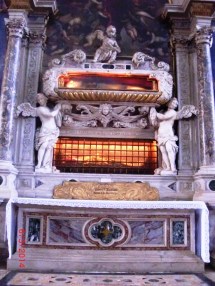 The close proximity of the two saints made me smile: the man of no words, struck dumb by the angel when he doubted Elizabeth’s pregnancy, lying near the man who whose words defended the Trinity against Arius’s heresy. Zaccaria was speechless; Athanasius spoke the truth that led to the formation of the Nicene Creed.

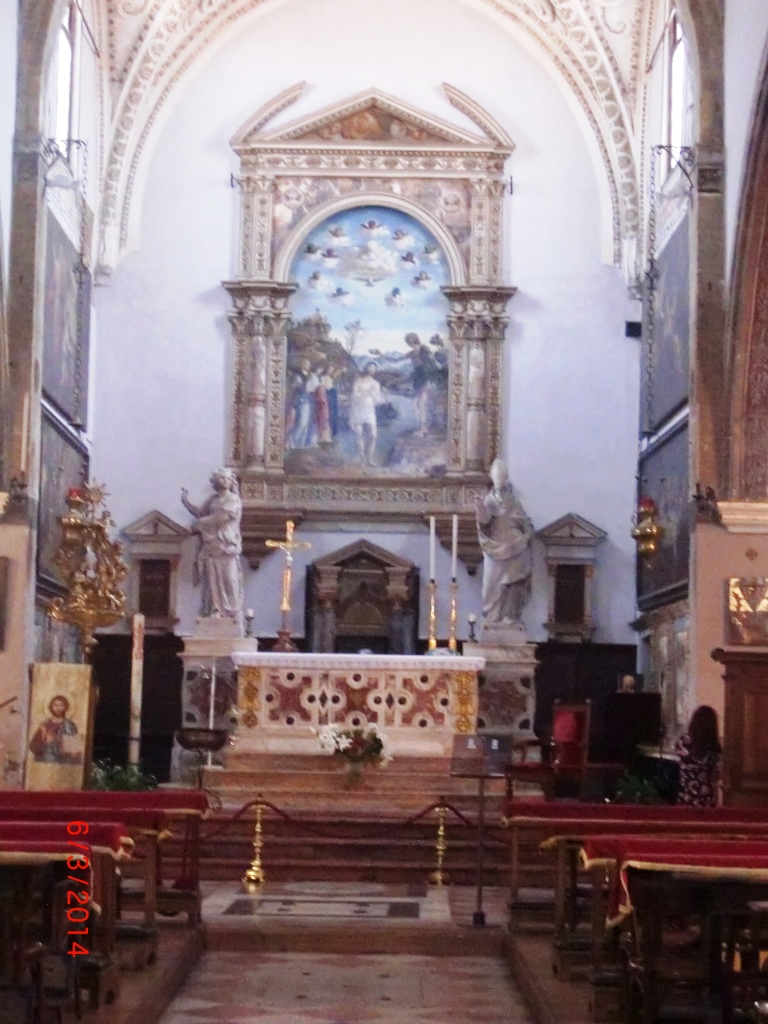
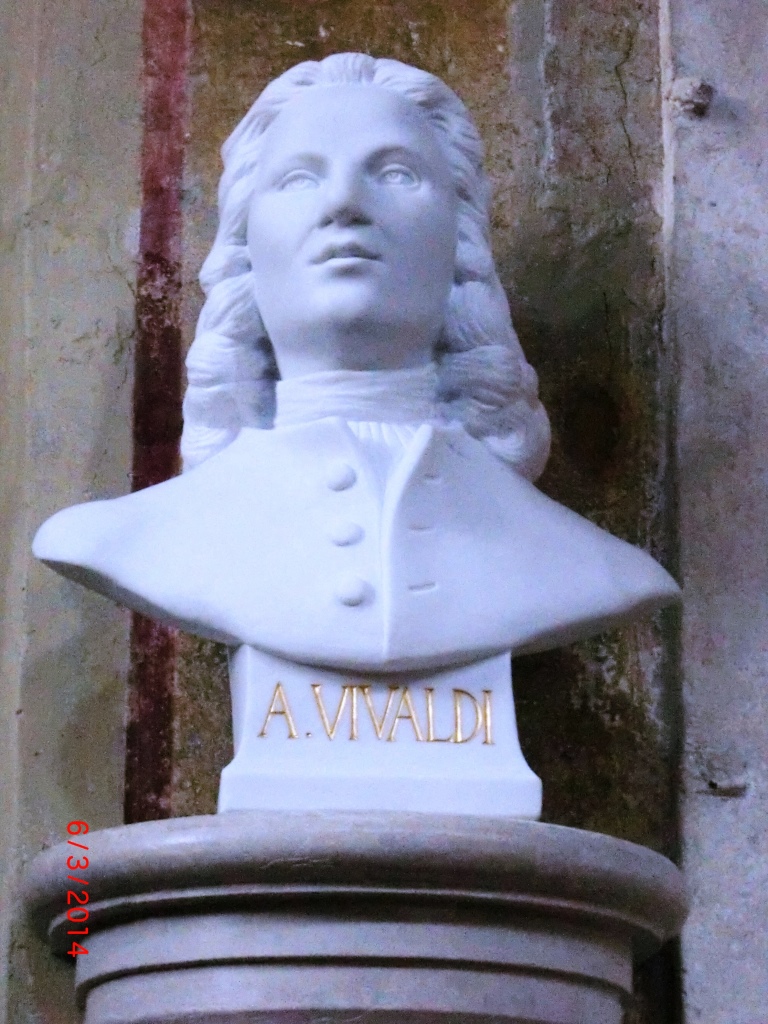










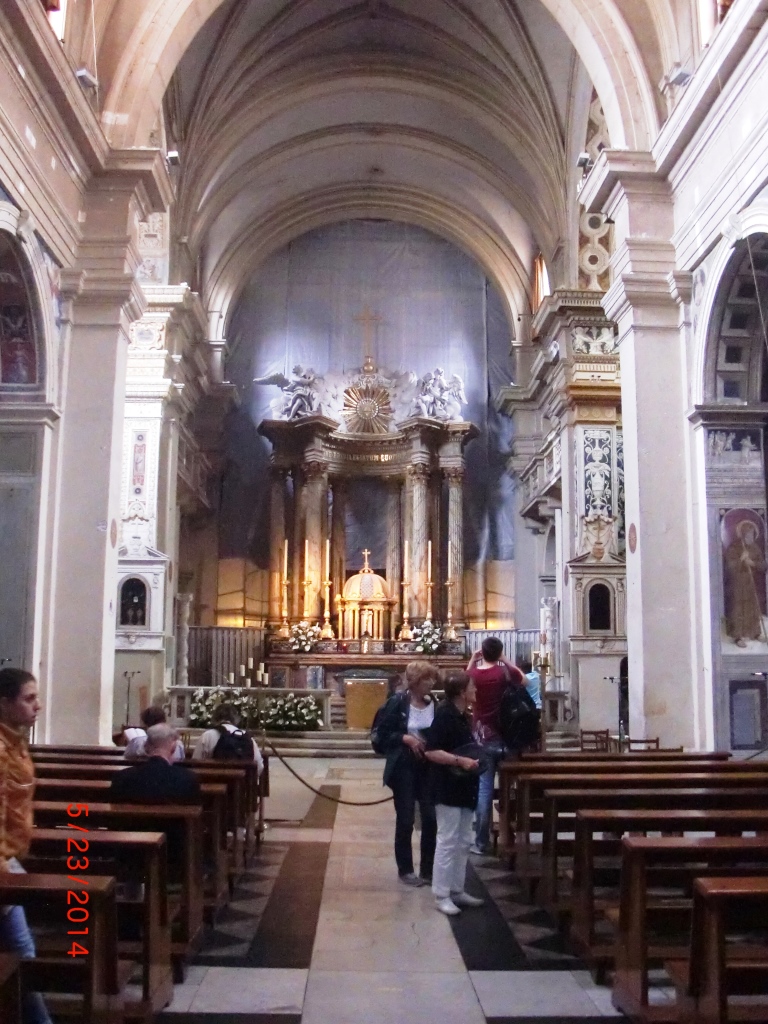
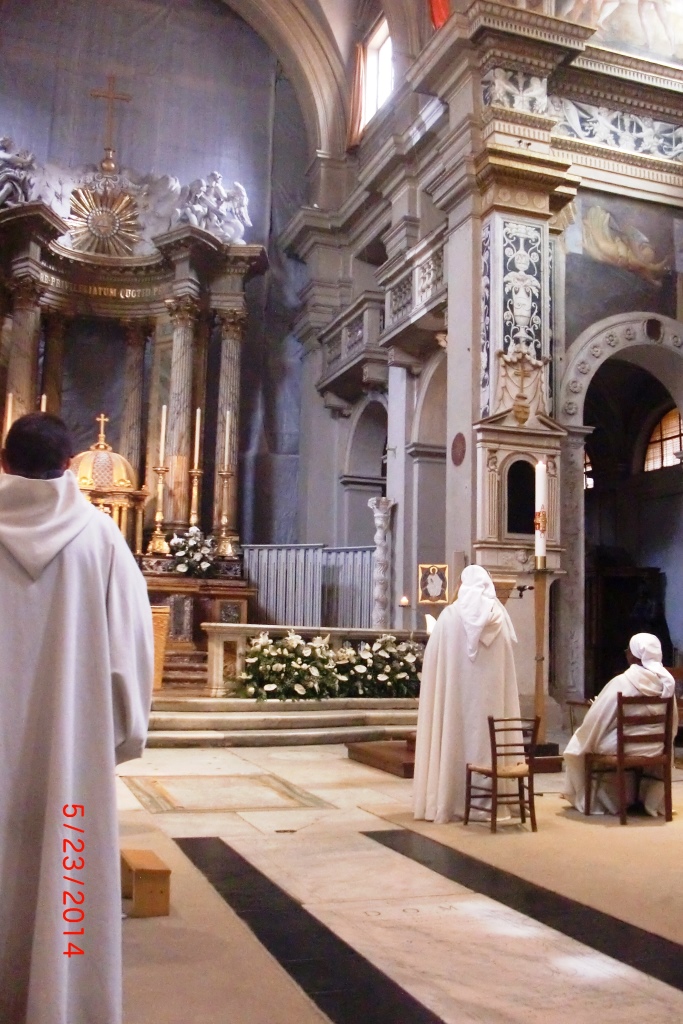
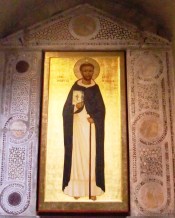

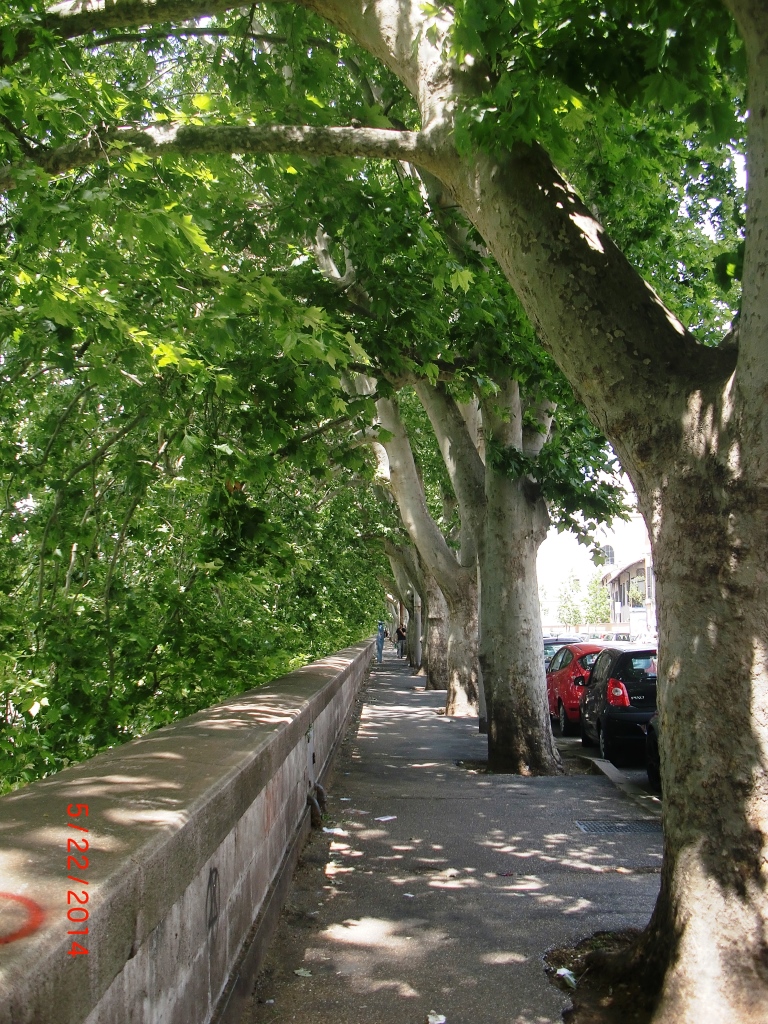
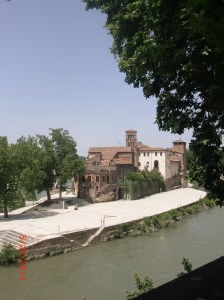
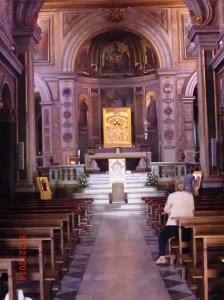
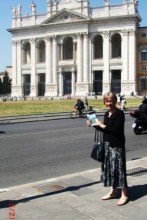 We visited St. John Lateran, San Giovanni in Laterano, this morning.
 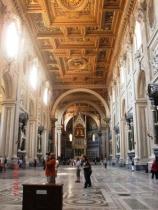 It is also a location in my novel, The Magdalene Mystery, where more of the mystery is solved and more questions are raised. It is the home of a gift shop run by the Missionaries of Divine Revelation, an order of nuns called “the green sisters” because of their forest green habits.
  I first met Sister Emanuela, an English nun of this order with a lovely Irish accent, about five years ago when I was pitching my first novel Pilgrimage to some of the shops in Rome. The next year she took us on a lovely tour of the Vatican Museums. We kept in touch. You just might see her in The Magdalene Mystery in that Laterano scene. It was good to see her today – her eyes alight with the same twinkle of joy she has always shared with everyone. We chatted, catching up on the miracles in our lives, stunned by the love of God. She gives group tours of sacred art and recently has been in demand as a speaker. She is on fire with the faith, a miracle among us. I always learn from Sister Emanuela. She has a way of putting things clearly, to the point, with a great generosity of spirit and always a healing sense of humor.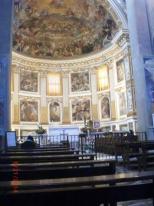


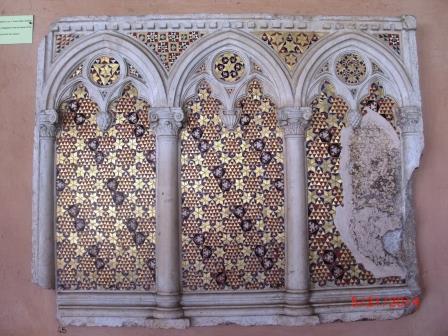

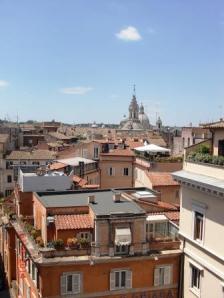 We woke this morning to sunny skies and cries of gulls. We have returned to Roma, the cradle of the early Church where Christianity sanctified paganism, transforming shrines, to many unkind gods, with altars to the one God of love.
 I’ve also noticed more and more religious, brothers and sisters, wearing habits, dusting the streets of Rome with many muted colors. They sit on steps with bag lunches and hurry through back doors into sacristies. Masses and celebrations abound. Christianity is visible, tangible here, if one pays attention, present in a good way. Joy and color and music and the meaning of life paint the city. The secular world seems at times to run parallel, separate, but in reality it is woven into the fabric of the sacred. It is good to hear the bells ring as air-brakes squeak and tour buses open doors to visitors hungry for the life-blood of Rome, the Church and the love of God.
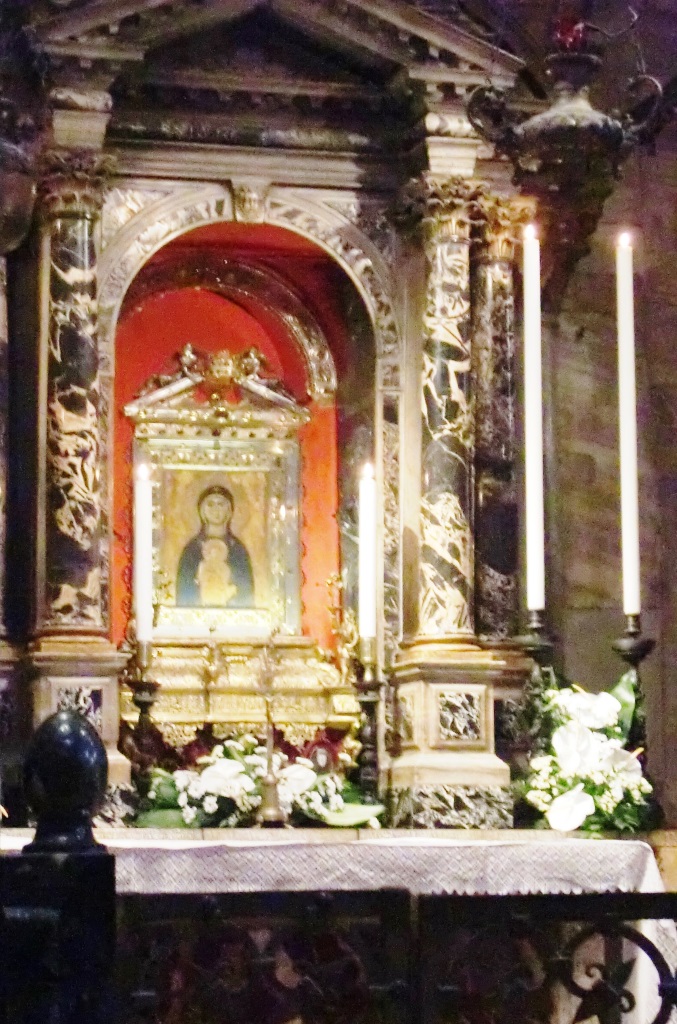
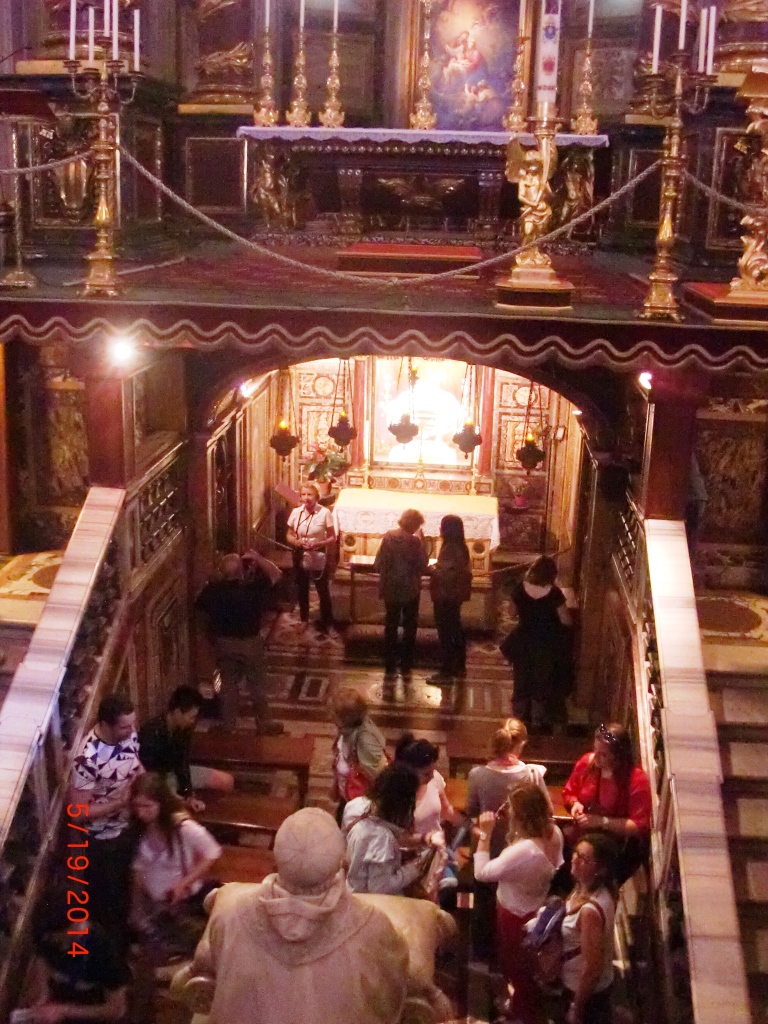
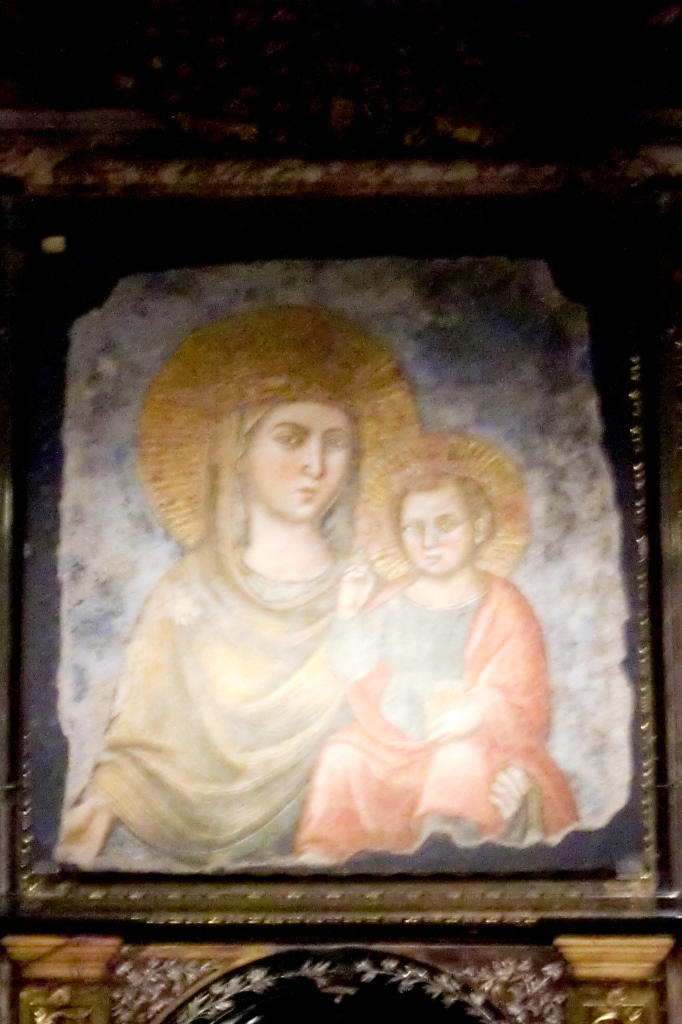
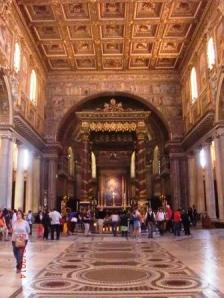 Santa Maria Maggiore – the greatest Marian shrine in the world. We heard singing in the Holy Sacrament chapel where St. Luke’s Madonna is honored, the Madonna humble and earthy, painted on wood. At the head of the main nave, under the high altar the holy crèche has returned after a time of restoration. As we stepped down the marble stairs to the confessio I wondered in awe once more, amazed by God’s goodness to give us these humble bits of himself, here in this twenty-first century, bits to help us in our sacramental journeys. The gift shop has new offerings of the Lucan Madonnas, the Salus Populi Romani (Savior of the Roman People). I had not seen these last year. Another change.
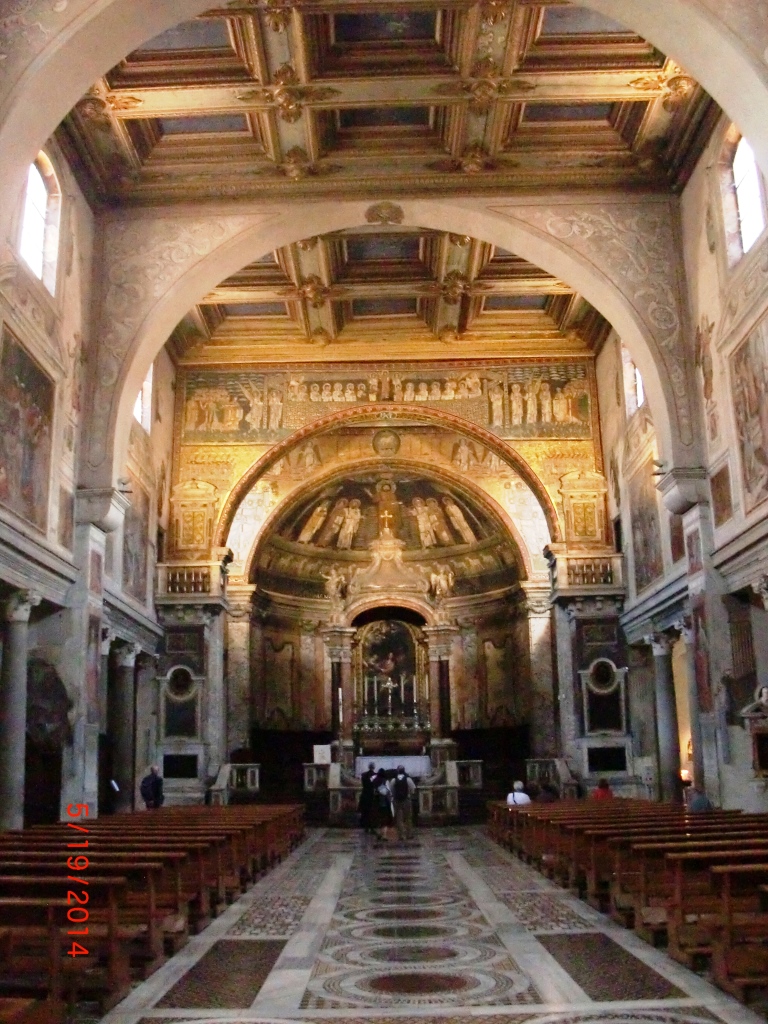
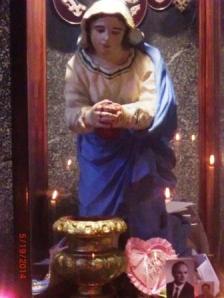 Santa Prassede – the church dedicated to the sainted sister who cleansed the bodies of the first martyrs, saved even their blood to be hidden in the family’s well. Here too can be venerated the column of Christ’s flagellation. It’s an ethereal church, built over the first-century house church of Prassede’s family (her father thought to be a Roman Senator, converted; St. Paul preached in their house.)







 Christine Sunderland
